Best Tips for Propagating Desert Orchid 🌵
Eulophia petersii
By the Greg Editorial Team
Jan 07, 2025•4 min read
This article was created with the help of AI so we can cover more plants for you. May contain errors. See one? Report it here.
Master desert orchid propagation 🌵 with these expert tips for thriving plants and vibrant blooms!
- 🌱 Propagate desert orchids via cuttings, seeds, or division for unique benefits.
- 🌡️ Ideal conditions: 70°F-80°F temperature and 50-70% humidity for successful cuttings.
- ✂️ Use sterilized tools and proper techniques for optimal propagation success.
Methods of Propagation
🌱 Propagating from Cuttings
Propagating desert orchids from cuttings is a rewarding method that requires a bit of care. Start by selecting healthy stems that are at least 6 inches long and have several nodes.
Next, make the cut using sterilized scissors, ensuring you cut just below a node. After cutting, prepare the cutting by removing the lower leaves to expose the nodes. Allow the cuttings to callus by letting them dry for 24-48 hours in a shaded area.
Once the cuttings have callused, it's time to plant them. Insert the cutting into a well-draining potting mix, burying the node to encourage root growth. Water lightly by misting the soil to maintain moisture without overwatering.
Ideal Cutting Conditions
To ensure successful rooting, maintain ideal conditions for your cuttings. The temperature should be between 70°F to 80°F (21°C to 27°C), and humidity levels should range from 50-70%.
Tools Needed
Gather the necessary tools before you start propagating:
- Sterilized scissors or knife
- Potting mix (preferably orchid mix)
- Small pots or propagation trays
- Plastic bag or humidity dome for moisture retention
🌼 Propagating from Seeds
Seed propagation is a more challenging but equally rewarding method. Begin by collecting seeds after the flower has fully matured and dried. Clean the seeds to remove any debris and allow them to dry completely.
For the germination process, prepare a sterile growing medium using a mix of sphagnum moss and perlite. Sow the seeds by sprinkling them evenly over the surface of the medium, then cover them lightly. Mist the surface to settle the seeds without burying them, and maintain humidity by covering with a plastic dome or bag.
Provide adequate light by placing the setup under grow lights or in a bright location, avoiding direct sunlight.
Ideal Growing Conditions for Seedlings
For optimal growth, seedlings thrive in specific conditions. Maintain a temperature of 70°F to 75°F (21°C to 24°C) and humidity levels of 70-80% for the first few weeks. Ensure they receive indirect bright light to promote healthy development.
✂️ Propagating by Division
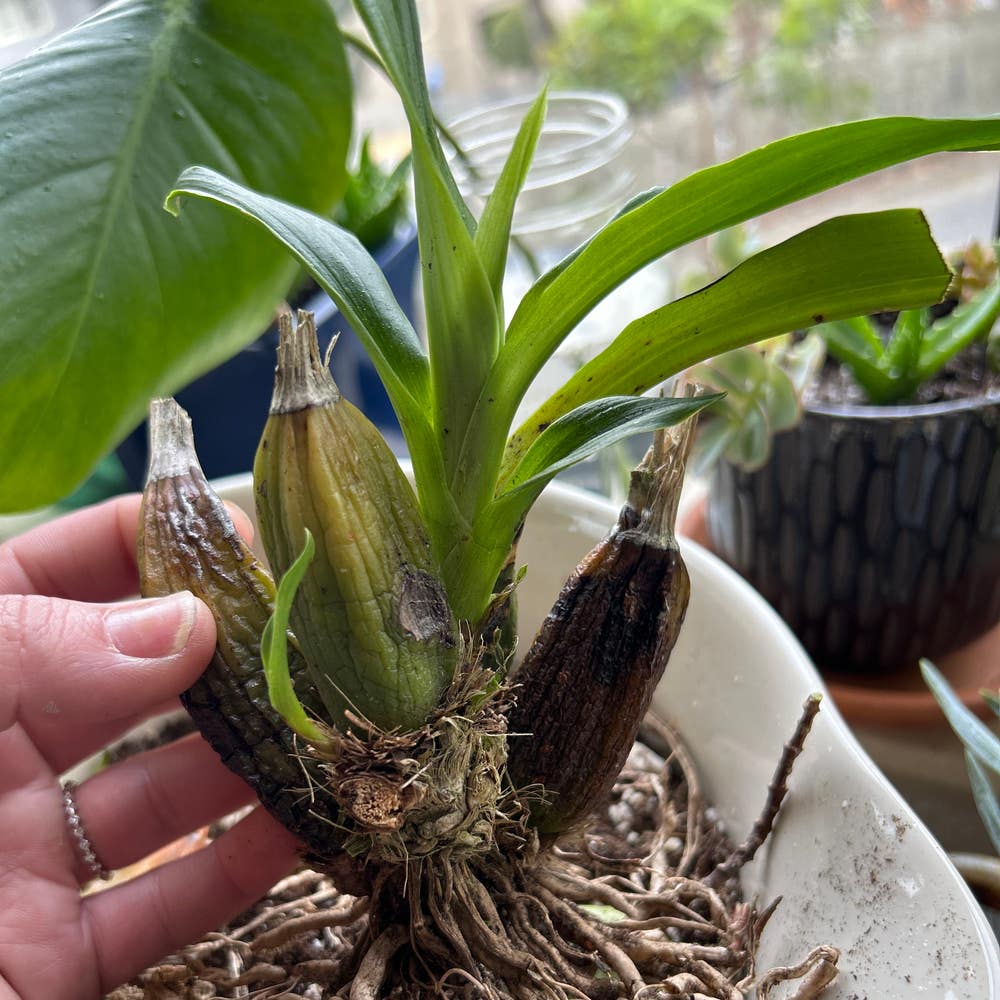
Dividing your desert orchid is another effective propagation method. The best time to divide is during the spring or early summer when the plant is actively growing. Look for signs of overcrowding or multiple growths as indicators.
To begin, gently remove the plant from its pot, loosening the soil to lift it out. Identify natural separations in the root system for division. Use sterilized scissors to cut the roots, ensuring each division has roots and growth points.
Re-pot each division in its own pot with fresh potting mix. Water thoroughly, ensuring the soil is moist but not soggy.
Post-Division Care
After dividing, care for your new plants properly. Keep the soil consistently moist for the first few weeks to help them establish. Provide indirect light to help the divisions acclimate to their new environment.
With these methods, you can successfully propagate desert orchids and enjoy the beauty of these unique plants in your collection. Next, let’s explore some tips for successful propagation that will enhance your gardening experience.
Tips for Successful Propagation
🕰️ Timing and Seasonal Considerations
To achieve the best results when propagating desert orchids, timing is everything. The ideal window is during the growing season, specifically from spring to early summer, when the plants are most active and receptive to new growth.
Keep an eye on local climate conditions. This awareness will help you select the perfect time for each propagation method, ensuring your efforts are met with success.
👀 Monitoring Growth and Health
Regularly check on your cuttings and seedlings. Look for signs of growth or any distress that might indicate they need extra care.
Be prepared to adjust your watering and light conditions based on the health of your plants. This attentive approach will foster a thriving propagation environment and increase your chances of success.
⚠️ Safety First
This content is for general information and may contain errors, omissions, or outdated details. It is not medical, veterinary advice, or an endorsement of therapeutic claims.
Always consult a qualified healthcare professional before using any plant as food, medicine, or supplement.
Never eat any plant (or feed one to pets) without confirming its identity with at least two trusted sources.
If you suspect poisoning, call Poison Control (800) 222-1222, the Pet Poison Helpline (800) 213-6680, or your local emergency service immediately.
Spotted an error? Please report it here.
Propagating desert orchids can lead to thriving plants 🌿, and with Greg's tailored reminders and expert tips, you'll master the art of propagation for stunning results!