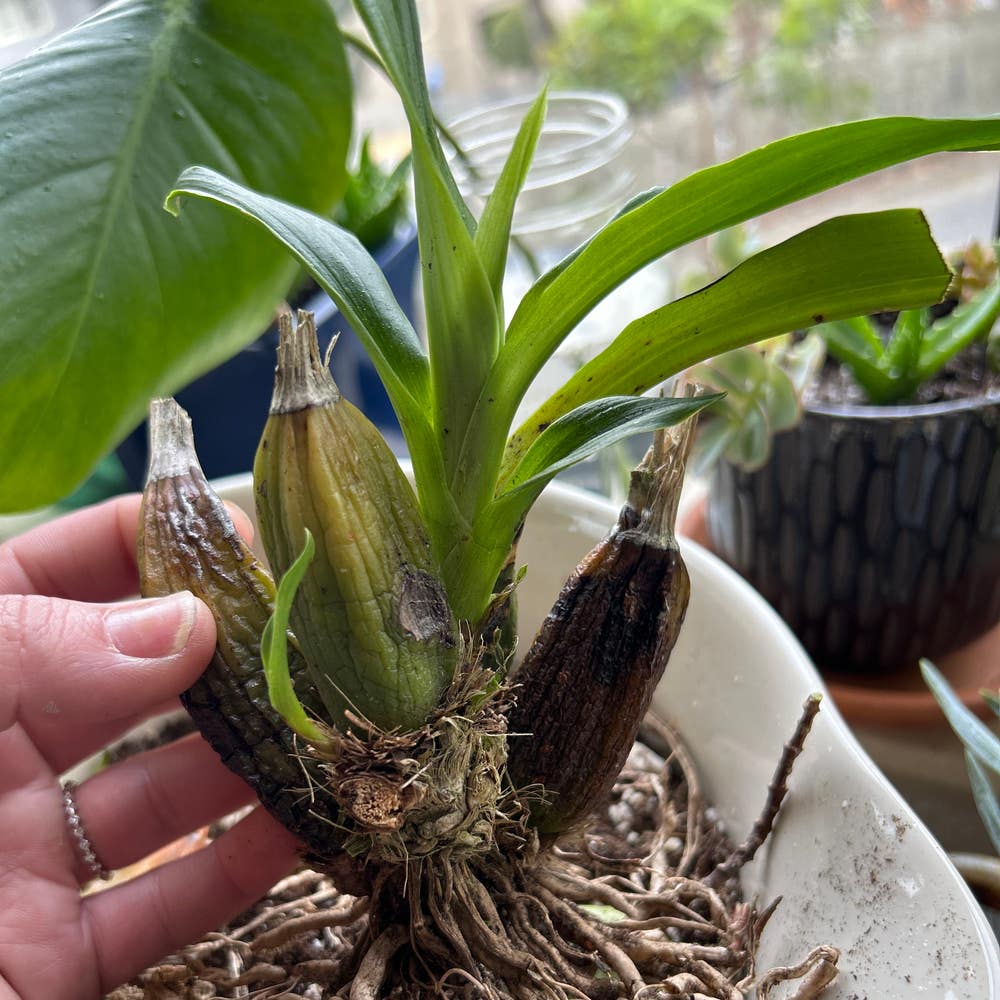
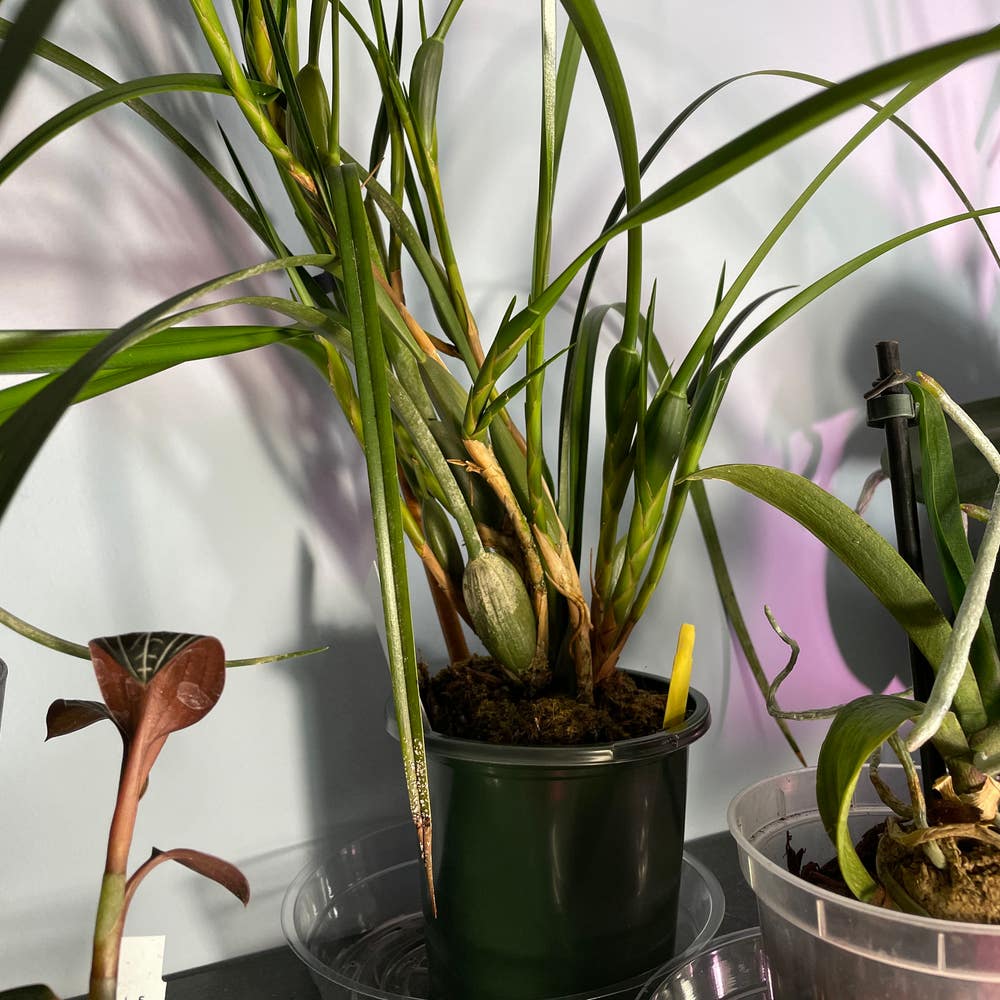
🌵 Lifespan of Desert Orchid
Eulophia petersii
By the Greg Editorial Team
Jan 07, 2025•4 min read
This article was created with the help of AI so we can cover more plants for you. May contain errors. See one? Report it here.
Cultivate stunning Desert Orchids 🌵 by mastering their growth stages and creating the perfect conditions for success!
- 🌱 Desert Orchids germinate in 2-4 weeks under optimal temperature and moisture conditions.
- 🌞 Indirect sunlight is vital during germination to protect seeds from overheating.
- 🌼 Full maturity takes 2-5 years, influenced by water, soil quality, and light exposure.
Germination Stage
Duration of Germination 🌱
The germination period for Desert Orchids typically spans 2 to 4 weeks. This timeframe can vary based on several factors, including temperature, moisture levels, and the viability of the seeds.
Conditions for Successful Germination 🌞
To ensure successful germination, maintaining an optimal temperature range of 20°C to 25°C (68°F to 77°F) is crucial.
Moisture is another key factor; the soil should be consistently moist but never waterlogged.
Additionally, providing indirect sunlight helps prevent overheating, creating the perfect environment for these delicate seeds to sprout.
By carefully managing these conditions, you can significantly enhance the chances of successful germination.
As we move forward, understanding the seedling stage will further illuminate the growth journey of the Desert Orchid.
Seedling Stage
Length of Seedling Stage 🌱
The seedling stage of the Desert Orchid lasts approximately 4 to 8 weeks. During this time, the plant develops its true leaves, marking a significant step in its growth journey.
Characteristics of Seedlings 🌿
Seedlings begin with small, narrow leaves that showcase a vibrant green hue. This initial leaf structure is crucial for photosynthesis, allowing the plant to harness energy from sunlight.
Root Development
As seedlings grow, they form specialized roots designed for efficient water absorption. These roots are essential for the plant's survival, especially in arid environments.
Vulnerability
Despite their promising start, seedlings are particularly vulnerable to environmental stressors. This makes careful monitoring vital to ensure they thrive during this critical stage.
The seedling stage is a fascinating period of growth, setting the foundation for the Desert Orchid's future development. As we move forward, we'll explore the vegetative growth stage, where the plant begins to establish its presence in the desert landscape.
Vegetative Growth Stage
🌱 Duration of Vegetative Growth
The vegetative growth stage of the desert orchid can last anywhere from 6 months to several years. This duration largely depends on the environmental conditions, including temperature, moisture, and light availability.
🌿 Changes in Plant Structure and Health
During this stage, you'll notice significant changes in the plant's structure. The leaves will increase in size and number, while a robust root system develops to support the plant's growth.
Adaptations for Survival
Desert orchids adapt to their harsh environments by developing thicker leaves. This adaptation helps minimize water loss, a crucial factor for survival in arid conditions.
Health Indicators to Watch
Monitoring leaf color and texture is essential for assessing the plant's health. Healthy leaves typically exhibit vibrant colors and a smooth texture, indicating good nutrient availability and adequate water status.
As the desert orchid progresses through its vegetative growth stage, it sets the foundation for future flowering and seed production. Understanding these changes can help you cultivate a thriving plant.
Flowering Stage
Timeframe for Flowering 🌸
The flowering period of the Desert Orchid typically occurs 1 to 2 years after germination. This timeframe can vary based on environmental conditions, so patience is key for growers.
Description of Flowering Process 🌼
Flowering is triggered by specific environmental cues, including temperature changes and moisture availability. These factors signal the plant that it's time to bloom.
Flower Structure
Desert Orchids have unique adaptations for pollination. Their flowers often feature vibrant colors and distinct scents that attract pollinators, ensuring successful reproduction.
Duration of Flowering
Once blooming begins, the flowering stage lasts several weeks. Peak blooming periods are influenced by the local climate, making timing crucial for optimal pollination.
Understanding the flowering stage is essential for anyone interested in cultivating Desert Orchids. This knowledge not only enhances your gardening skills but also deepens your appreciation for these remarkable plants.
As we transition to the next stage, let's explore the fascinating process of seed production and maturation.
Seed Production and Maturation
🌱 Overview of Seed Production Process
The journey of seed production begins with pollination, primarily facilitated by insects or wind. This crucial step leads to fertilization, setting the stage for the development of seed pods.
⏳ Duration and Conditions for Seed Production
Once flowering occurs, it typically takes about 3 to 6 months for seeds to mature. For optimal seed development, stable temperatures and adequate moisture are essential.
📈 Growth Rate and Maturation
Desert orchids generally reach full maturity between 2 to 5 years, influenced by various environmental factors. Key elements affecting growth rate include water availability, soil quality, and light exposure.
🌍 Comparison of Growth Rates in Different Environments
Interestingly, growth rates are often faster in native habitats. These environments provide conditions that the plants are naturally adapted to, enhancing their overall development.
As we explore the fascinating lifecycle of the desert orchid, understanding the seed production and maturation process reveals the resilience and adaptability of these remarkable plants. Next, we will delve into the flowering stage, where beauty and survival intertwine.
⚠️ Safety First
This content is for general information and may contain errors, omissions, or outdated details. It is not medical, veterinary advice, or an endorsement of therapeutic claims.
Always consult a qualified healthcare professional before using any plant as food, medicine, or supplement.
Never eat any plant (or feed one to pets) without confirming its identity with at least two trusted sources.
If you suspect poisoning, call Poison Control (800) 222-1222, the Pet Poison Helpline (800) 213-6680, or your local emergency service immediately.
Spotted an error? Please report it here.
Unlock the secrets of Desert Orchids' lifecycle 🌼 and let Greg guide you with customized care reminders to ensure your plants flourish beautifully in your home!