5 Tips for Healthy Desert Orchid Roots 🌵
Eulophia petersii
By the Greg Editorial Team
Jan 07, 2025•5 min read
This article was created with the help of AI so we can cover more plants for you. May contain errors. See one? Report it here.
Master the art of desert orchid care 🌵 with essential root techniques for vibrant growth and resilience!
- 🌵 Desert orchids thrive with shallow, fibrous roots that efficiently absorb water.
- 💧 Prevent root rot by allowing soil to dry out between waterings.
- 🌱 Healthy roots are vital for propagation and overall orchid success.
Characteristics of the Root System
Type of Root System 🌱
Desert orchids boast a fibrous root system, characterized by a network of thin, branching roots that spread out in the soil. This design allows for efficient water absorption, crucial for survival in arid environments.
These roots are also adapted to store moisture, ensuring the plant can thrive during dry spells. Additionally, the fibrous structure provides stability in sandy or rocky soils, anchoring the plant firmly in place.
Root Depth and Spread 📏
Typically, the root depth of desert orchids is shallow, extending about 6-12 inches deep. However, their root spread can be impressive, reaching up to 2-3 feet in diameter, depending on the soil conditions.
During the wet season, roots grow rapidly, taking advantage of the moisture. Conversely, growth slows down during dry periods, showcasing the plant's adaptability to its environment.
Understanding these characteristics is essential for nurturing healthy desert orchids. With the right care, you can ensure their roots remain robust and thriving.
Watering, Fertilizing, and Transplanting Techniques
🌱 Impact of Root System on Watering Practices
Watering your desert orchid correctly is crucial for maintaining a healthy root system. Allow the soil to dry out between waterings to prevent root rot, which can be detrimental to your plant's health.
To encourage robust root growth, practice deep watering. This technique ensures that water penetrates deeply into the soil, promoting a strong root network. Additionally, using well-draining soil is essential to prevent waterlogging, which can suffocate the roots.
🌿 Fertilization Techniques for Root Health
Fertilization plays a significant role in supporting root health. During the growing season, aim to fertilize your orchid monthly to provide essential nutrients.
Opt for balanced, water-soluble fertilizers specifically designed for orchids. When applying, dilute the fertilizer in water and use it during your regular watering routine to ensure even distribution and absorption.
🌼 Best Practices for Transplanting
Transplanting your orchid at the right time is key to its continued growth. The best periods for transplanting are spring or early summer when the plant is actively growing.
Follow these steps for a successful transplant:
- Prepare a new pot with fresh, well-draining orchid mix.
- Gently remove the orchid from its current pot, taking care not to damage the roots.
- Place the orchid in the new pot, ensuring the roots are spread out.
- Fill with potting mix and water thoroughly to settle the soil.
By following these watering, fertilizing, and transplanting techniques, you can ensure your desert orchid thrives and maintains a healthy root system. Next, let’s explore common root-related issues that can arise and how to address them effectively.
Common Root-Related Issues
🦠 Identifying Root Rot and Other Diseases
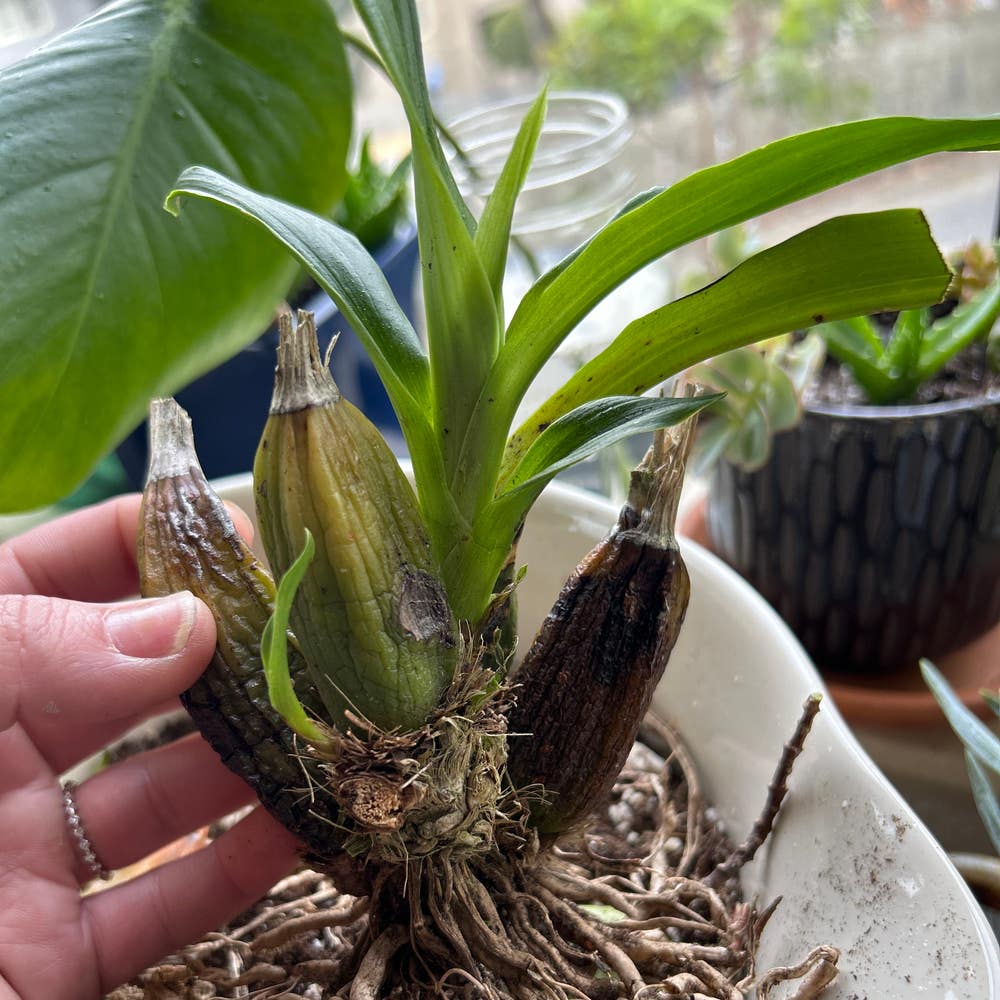
Root rot is a common issue that can plague desert orchids, and recognizing its symptoms early is crucial. Look for dark, mushy roots accompanied by a foul smell; these are telltale signs that your plant is in trouble.
Additionally, if you notice wilting or yellowing leaves despite regular watering, it’s a strong indicator that root rot may be at play. These symptoms suggest that the roots are not functioning properly, leading to poor nutrient uptake.
🛠️ Solutions for Preventing and Treating Root Problems
Preventing root issues starts with the right environment. Always use well-draining soil and pots equipped with drainage holes to keep excess moisture at bay.
Overwatering is a common mistake, so be mindful of your watering schedule. If you do encounter root rot, act quickly: remove the affected roots and repot the orchid in fresh soil to give it a fighting chance.
In some cases, applying a fungicide may be necessary to combat any lingering pathogens. Taking these steps can help ensure your orchid thrives, keeping those roots healthy and happy.
With proper care, you can prevent these common root-related issues and enjoy a flourishing desert orchid. Next, let’s explore how to recognize healthy versus unhealthy roots.
Recognizing Healthy vs. Unhealthy Roots
🌱 Visual Cues for Healthy Roots
Healthy orchid roots are a sight to behold. They should feel firm to the touch and display a vibrant white or light tan color.
Look for signs of new root growth as well. This indicates that your orchid is thriving and ready to absorb nutrients effectively.
🚨 Indicators of Unhealthy Roots and Corrective Measures
On the flip side, unhealthy roots can be a cause for concern. If you notice dark, mushy textures or a foul odor emanating from the roots, it's time to take action.
To remedy this, trim away the unhealthy roots and repot your orchid in fresh, well-draining medium. This simple step can help restore your plant's health and vitality.
By keeping an eye on these visual cues, you can ensure your orchid remains in top shape. Now, let’s explore the importance of root health in propagation and division.
Importance of Root Health in Propagation and Division
🌱 Role of Root Health in Propagation
Healthy roots are the backbone of successful propagation and division. They provide the necessary support and nutrients for new growth, ensuring your orchid thrives after being separated.
To effectively divide your orchid, wait until it has multiple growths. This ensures that each section has enough roots to establish itself. Always use sterilized tools to prevent any disease transmission during the process.
After dividing, care for your newly separated plants by watering lightly. It's crucial to keep them out of direct sunlight until you see new growth, which indicates that they are adjusting well.
🪴 Recognizing Rootbound Plants
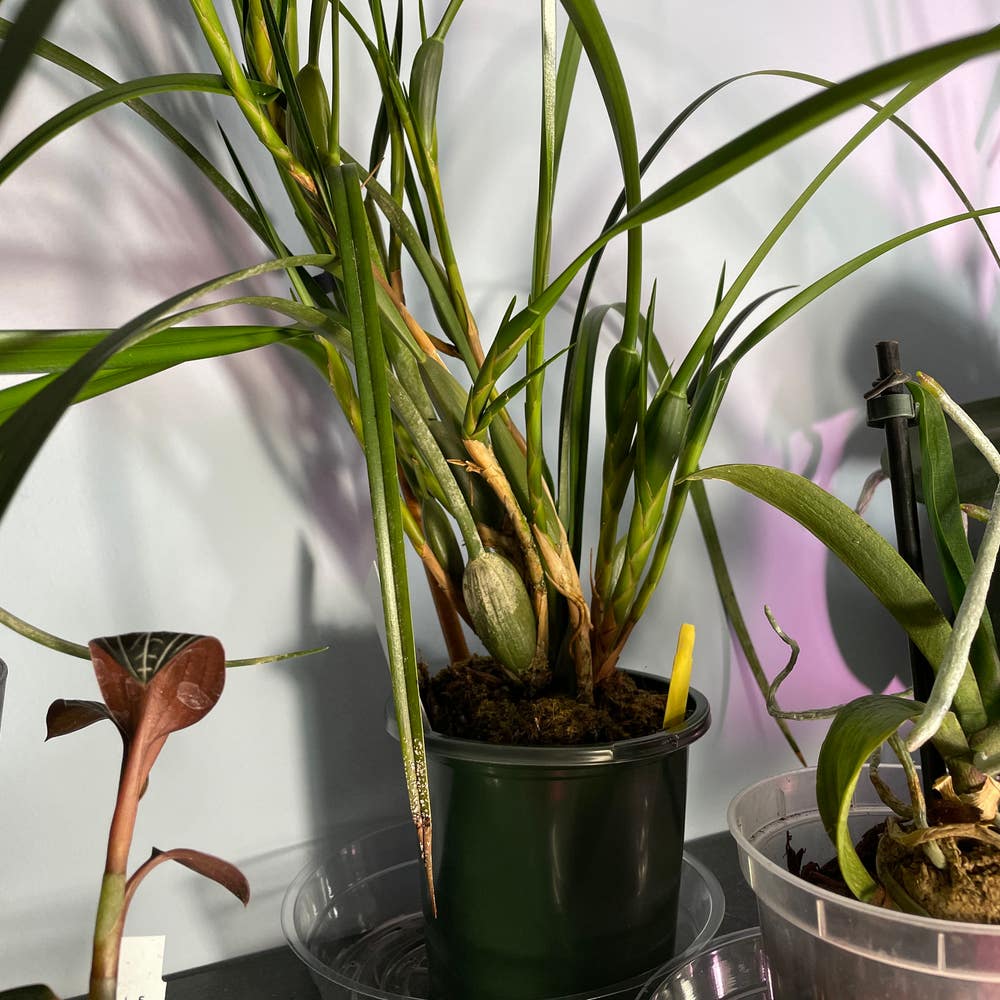
Rootbound plants are those that have roots growing in a circular pattern, filling the pot and restricting further growth. This condition can stunt your orchid's development and hinder its ability to absorb water.
Signs of a rootbound plant include roots growing out of drainage holes and stunted growth. If you notice these indicators, it’s time to take action.
To remedy rootbound issues, follow these steps:
- Remove the plant from its pot.
- Gently loosen the roots and trim any that are circling.
- Repot in a larger container with fresh potting mix.
By addressing root health, you set the stage for vibrant growth and successful propagation. Now, let’s explore common root-related issues that can arise in your orchid care journey.
⚠️ Safety First
This content is for general information and may contain errors, omissions, or outdated details. It is not medical, veterinary advice, or an endorsement of therapeutic claims.
Always consult a qualified healthcare professional before using any plant as food, medicine, or supplement.
Never eat any plant (or feed one to pets) without confirming its identity with at least two trusted sources.
If you suspect poisoning, call Poison Control (800) 222-1222, the Pet Poison Helpline (800) 213-6680, or your local emergency service immediately.
Spotted an error? Please report it here.
Nurture your desert orchid roots to thrive in arid conditions 🌵 with Greg's personalized watering reminders and tailored care plans that ensure your orchids stay healthy and flourishing!