🌸 4 Facts About Desert Orchid Height and Width
Eulophia petersii
By the Greg Editorial Team
Jan 07, 2025•5 min read
This article was created with the help of AI so we can cover more plants for you. May contain errors. See one? Report it here.
Master the art of growing stunning desert orchids 🌵 with essential tips on size control and optimal care!
- 🌱 Desert orchids grow 1-3 feet tall and 1-2 feet wide, perfect for gardens.
- ☀️ Optimal conditions boost growth - 6-12 inches per year in ideal environments.
- 🌿 Dwarf and giant varieties cater to different spaces, from containers to dramatic landscapes.
Mature Height and Width
Typical Mature Dimensions 🌱
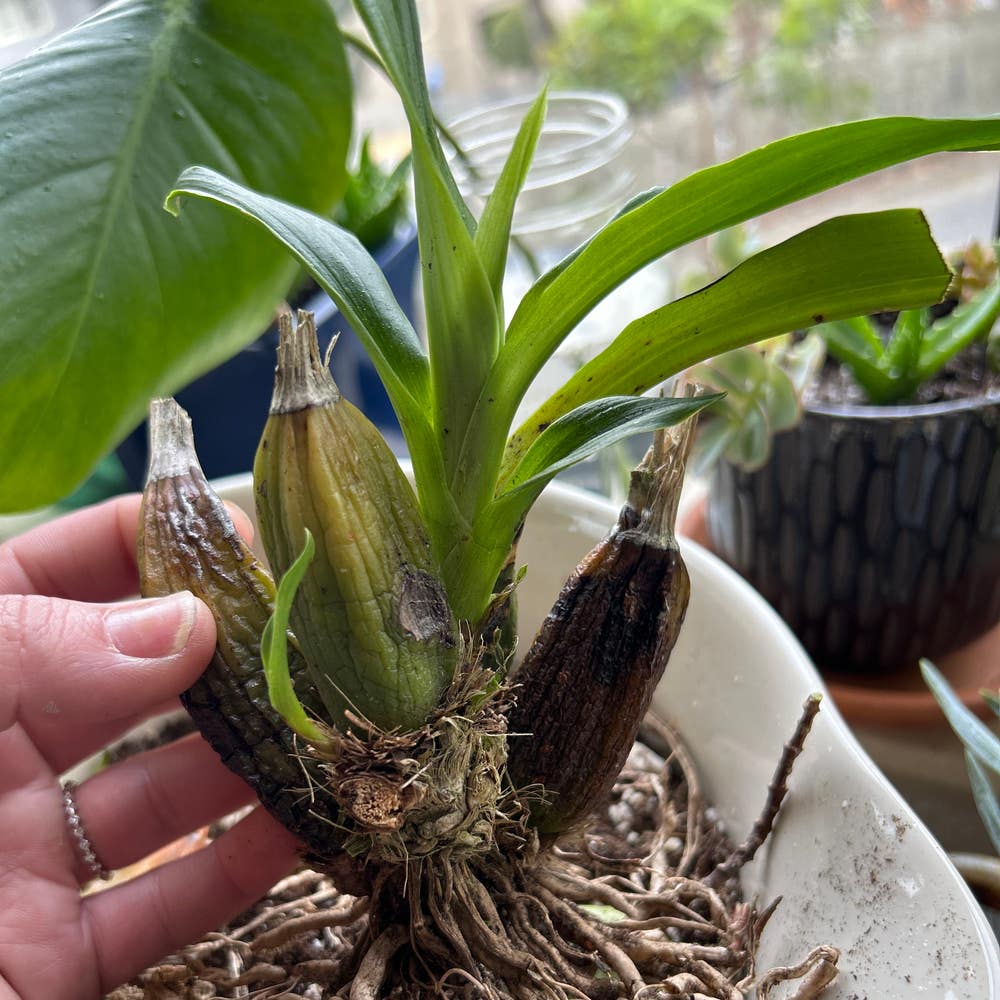
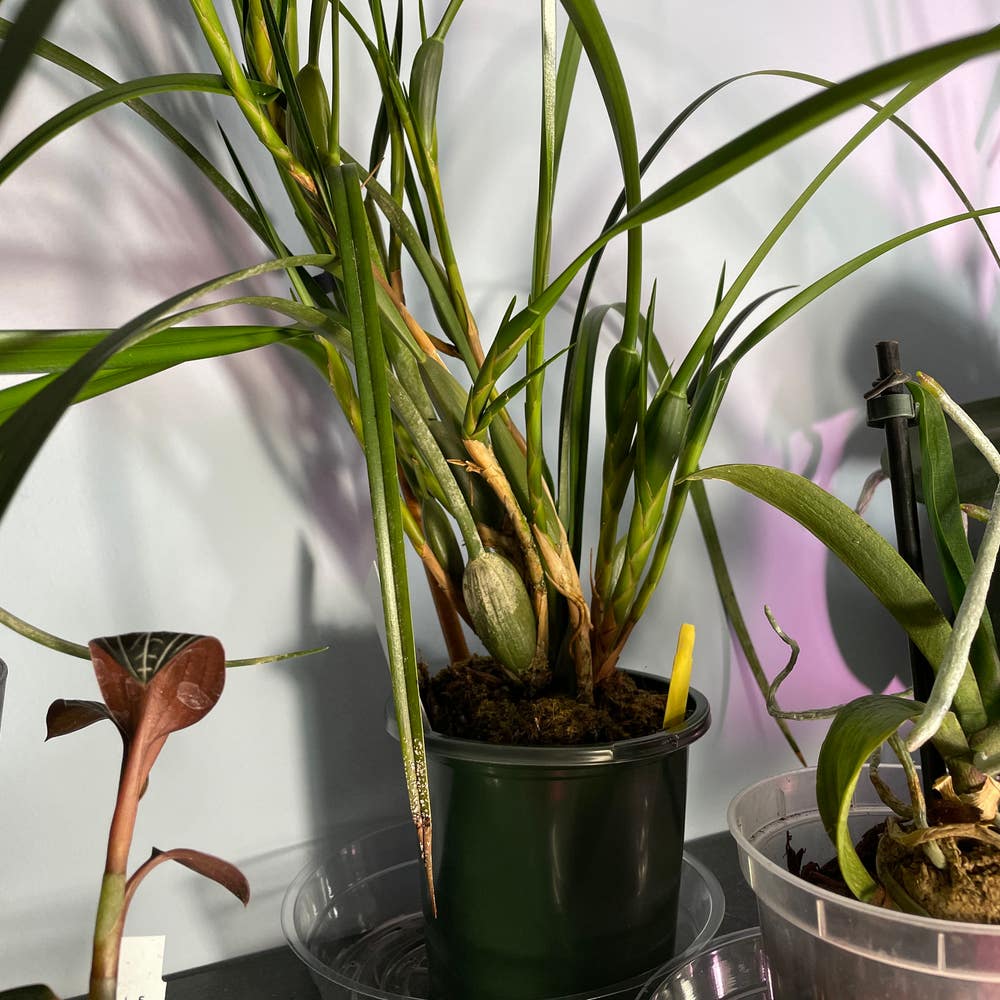
Desert orchids are known for their striking appearance, typically reaching an average height of 1 to 3 feet (30 to 90 cm). Their width usually spans from 1 to 2 feet (30 to 60 cm), making them a versatile choice for various garden settings.
Factors Influencing Mature Size 📏
The size of desert orchids can vary significantly based on environmental conditions. When grown in optimal conditions, these plants can achieve larger dimensions, while poor conditions may stunt their growth, resulting in smaller specimens.
Understanding these factors can help you cultivate healthier and more robust plants. By providing the right environment, you can enjoy the full beauty of these unique orchids.
Growth Rate and Time to Reach Full Size
🌱 Typical Growth Rate
Desert orchids exhibit a moderate growth rate, typically growing about 6 to 12 inches (15 to 30 cm) per year under ideal conditions. This steady pace allows them to flourish and fill their space effectively.
⏳ Time to Maturity
These plants generally take about 3 to 5 years to reach their full size. The exact timeframe can vary based on the care they receive and the environmental factors at play.
🌍 Environmental Impact on Growth Rate
Several environmental factors significantly influence the growth rate of desert orchids.
Soil Quality
Nutrient-rich, well-draining soil is essential for optimal growth. Poor soil can stunt their development, leading to smaller plants.
Light Exposure
Desert orchids thrive in full sun, which encourages upright growth and larger dimensions. Insufficient light can result in leggy plants that struggle to reach their potential.
Watering Practices
Consistent moisture is key to supporting healthy growth. Both over-watering and under-watering can adversely affect the size and overall health of the plant.
Understanding these factors can help you create the best environment for your desert orchids, ensuring they grow to their full potential. Next, let’s explore how size can vary based on different environmental conditions.
Size Variability Based on Environmental Conditions
🌱 Soil Quality Impact
The quality of soil plays a crucial role in the growth of Desert Orchids. Nutrient-rich, well-draining soil promotes optimal growth, allowing these plants to flourish.
Conversely, poor soil quality can stunt growth and lead to reduced dimensions. If the soil lacks essential nutrients, your Desert Orchid may struggle to reach its full potential.
☀️ Light Exposure Influence
Light exposure is another significant factor affecting size. Full sun encourages upright growth and larger dimensions, making your plants more robust and visually appealing.
On the other hand, insufficient light can result in leggy, smaller plants. If your Desert Orchid isn't getting enough sunlight, it may stretch toward the light, compromising its overall health and appearance.
💧 Watering Practices Effect
Watering practices also impact the size of Desert Orchids. Consistent moisture supports healthy growth, ensuring that the plants have the hydration they need to thrive.
However, over or under-watering can adversely affect size and health. Striking the right balance is essential; too much water can lead to root rot, while too little can cause wilting and stunted growth.
Understanding these environmental factors can help you create the ideal conditions for your Desert Orchid. With the right care, you can enjoy a thriving plant that reaches its full size potential.
Next, let’s explore the different varieties of Desert Orchids and how their sizes can vary.
Varieties
🌱 Dwarf Varieties
Dwarf varieties of Desert Orchid are perfect for those with limited space. Typically, they reach a height of just 6 to 12 inches (15 to 30 cm), making them ideal for container gardening or small garden beds.
These compact plants not only save space but also add charm to any setting. Their manageable size allows for easy maintenance while still providing vibrant blooms.
🌳 Giant Varieties
On the other end of the spectrum, giant varieties of Desert Orchid can soar to heights exceeding 4 feet (120 cm). These impressive plants create stunning focal points in landscapes, drawing attention and admiration.
Their towering presence can transform any garden into a dramatic display. Whether used as a backdrop or a standalone feature, giant varieties make a bold statement.
As you explore the different varieties, consider your space and aesthetic goals. Each type offers unique benefits, allowing you to choose the perfect fit for your gardening needs.
Next, let’s delve into size control techniques to help you manage these beautiful plants effectively.
Size Control Techniques
Managing the size of your Desert Orchid can be both an art and a science. With the right techniques, you can ensure your plant thrives while fitting perfectly into your space.
✂️ Pruning Methods to Manage Height and Width
Effective pruning is key to controlling the dimensions of your Desert Orchid.
Timing: The best time to prune is early spring, just before new growth begins. This timing helps the plant recover quickly and encourages robust growth.
Method: Focus on removing leggy growth and any dead stems. This not only promotes a bushier appearance but also enhances overall plant health.
📏 Other Techniques for Controlling Growth
In addition to pruning, there are other strategies to keep your Desert Orchid in check.
Growth Regulators: Consider using growth regulators to limit height. These products can help maintain a more compact form without compromising health.
Container Gardening: Planting in containers is another effective method. It restricts root growth, which naturally limits the size of the plant, making it ideal for smaller spaces.
By implementing these size control techniques, you can enjoy a flourishing Desert Orchid that fits beautifully into your garden or home. Next, let’s explore the fascinating varieties of Desert Orchids available.
⚠️ Safety First
This content is for general information and may contain errors, omissions, or outdated details. It is not medical, veterinary advice, or an endorsement of therapeutic claims.
Always consult a qualified healthcare professional before using any plant as food, medicine, or supplement.
Never eat any plant (or feed one to pets) without confirming its identity with at least two trusted sources.
If you suspect poisoning, call Poison Control (800) 222-1222, the Pet Poison Helpline (800) 213-6680, or your local emergency service immediately.
Spotted an error? Please report it here.
Unlock the full beauty of your desert orchids 🌵 with Greg's tailored watering alerts and soil tips, ensuring they thrive in your garden!