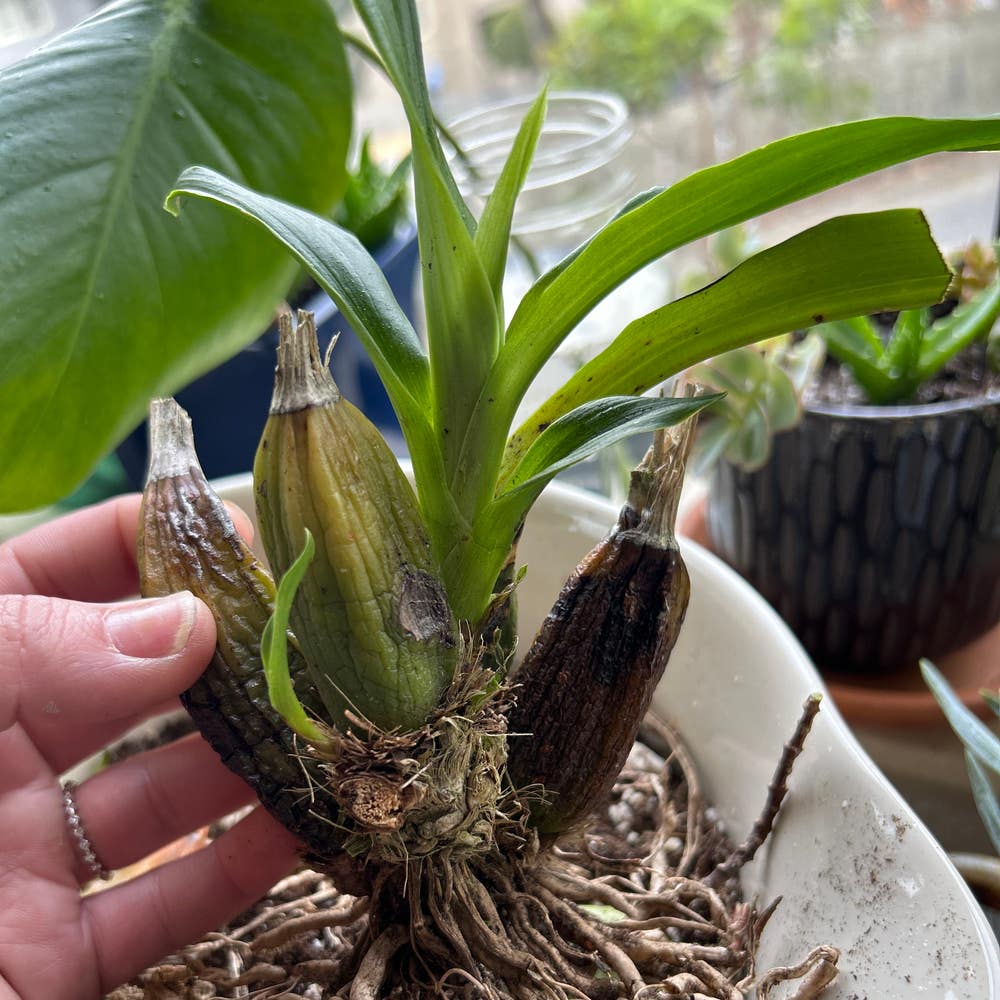
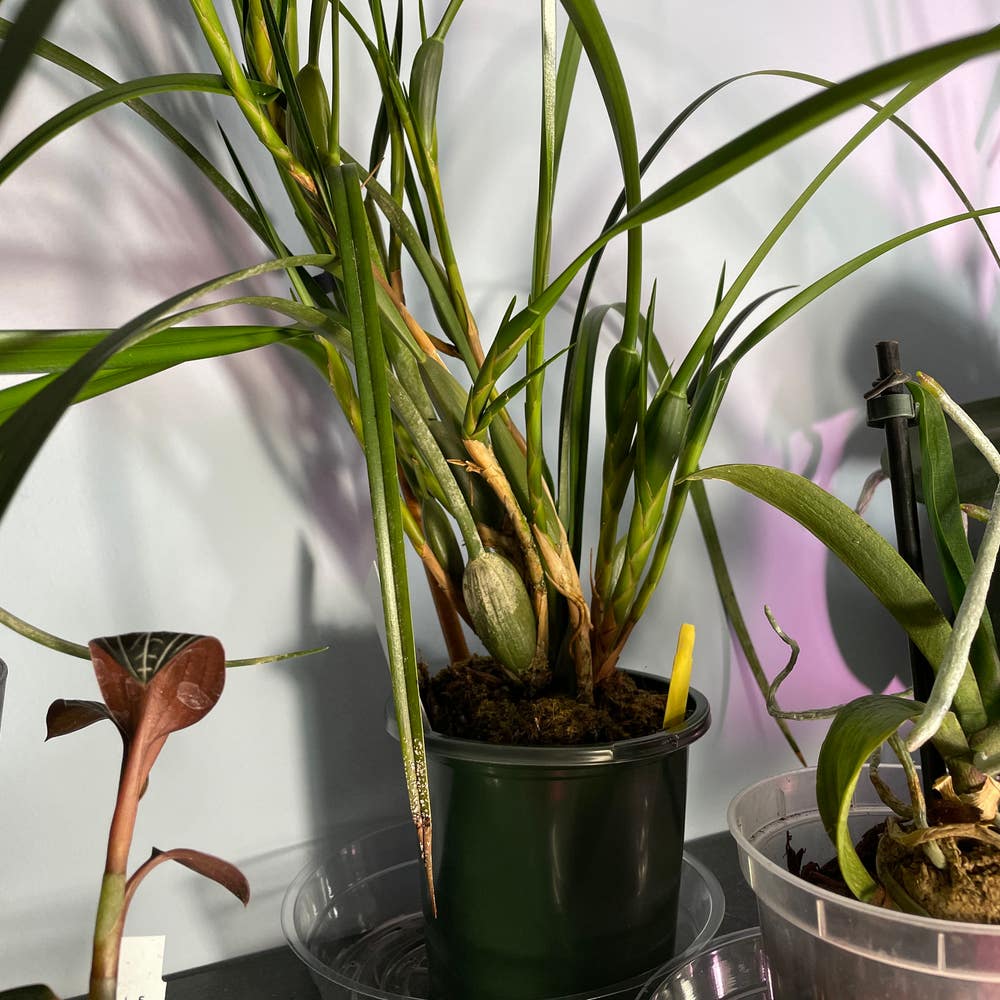
Where Can Desert Orchid Grow? Zones 10a-11b 🌵
Eulophia petersii
By the Greg Editorial Team
Jan 07, 2025•5 min read
This article was created with the help of AI so we can cover more plants for you. May contain errors. See one? Report it here.
Cultivate stunning Desert Orchids 🌸 by mastering their temperature needs and ideal growing conditions! 🌱
- 🌞 Desert Orchid thrives in USDA zones 10a-11b, ideal for warm climates.
- ❄️ Protect from frost; cold temperatures can damage this delicate plant.
- 🌊 Microclimates enhance growth; consider local conditions for successful cultivation.
Temperature Tolerance
❄️ Cold Tolerance Specifics
Desert Orchid thrives in warm climates, with a minimum temperature threshold of around 30°F (-1°C). Below this range, the plant becomes sensitive to frost, necessitating protective measures such as covering or relocating it indoors during cold snaps.
🔥 Heat Tolerance Specifics
On the flip side, Desert Orchid can endure maximum temperatures up to 100°F (38°C). However, prolonged exposure to extreme heat can stress the plant, leading to stunted growth and reduced flowering.
🌡️ Impact of Temperature Extremes on Growth
Both cold and heat extremes can significantly impact the health and flowering of Desert Orchid. Monitoring local weather patterns is crucial for successful cultivation, ensuring that the plant receives the right conditions to flourish.
Ideal Growing Regions
🌎 Examples of US States in Zones 10a-11b
Desert Orchid thrives in USDA zones 10a to 11b, making states like California, Florida, and Texas prime locations for cultivation. Within California, areas such as Los Angeles and San Diego offer the warm, sunny conditions that Desert Orchid loves.
In Florida, regions like Miami and Orlando provide the humidity and warmth essential for this plant's growth. Texas also has suitable areas, particularly along the southern coast, where temperatures remain favorable year-round.
☀️ Factors Contributing to Ideal Growing Conditions
Several climate factors contribute to the ideal growing conditions for Desert Orchid. High humidity levels, ample sunlight, and well-draining soil are crucial for its health and flowering.
Consistent warmth is vital, as is protection from frost, which can severely damage the plant. Ensuring these conditions can lead to a thriving Desert Orchid garden.
🌱 Comparison of Different Regions Within Suitable Zones
Even within the suitable zones, microclimates can significantly enhance growing conditions for Desert Orchid. For instance, coastal areas may experience milder temperatures compared to inland regions, benefiting the plant's growth.
Variations in humidity and temperature across different areas can also affect how well Desert Orchid flourishes. Understanding these microclimates can help gardeners maximize their success with this beautiful plant.
As we explore the next section, we will delve into how microclimates can extend the growing range of Desert Orchid, revealing even more opportunities for cultivation.
Microclimates and Their Impact
🌍 How Microclimates Can Extend Growing Range
Microclimates are localized areas where the climate differs from the surrounding region. They can create ideal conditions for growing Desert Orchid, even outside typical hardiness zones.
Factors such as elevation, proximity to water bodies, and urban heat can significantly influence these microclimates. For instance, areas near lakes or rivers often have moderated temperatures, providing a buffer against extreme weather.
🌿 Examples of Microclimates That Benefit Desert Orchid
Several microclimates across the U.S. offer favorable conditions for Desert Orchid cultivation. Coastal regions in California, for example, benefit from the ocean's moderating effects, creating a perfect environment for these plants.
Inland valleys, like those in Florida, also present unique microclimates. Here, the combination of warmth and humidity fosters robust growth, making these areas prime spots for Desert Orchid enthusiasts.
Case studies show successful cultivation in unexpected areas, such as urban gardens in Texas. These gardens often leverage heat retention from buildings and paved surfaces, extending the growing season for Desert Orchid.
Understanding and utilizing microclimates can be a game-changer for gardeners looking to cultivate Desert Orchid in less-than-ideal conditions. By recognizing these unique environments, you can maximize your chances of success and enjoy the beauty of this stunning plant.
As we explore state-level suitability next, keep in mind how microclimates can influence where you might successfully grow Desert Orchid.
State-Level Suitability Analysis
🌵 List of US States Suitable for Desert Orchid
Desert Orchids thrive in warm climates, making states like California, Florida, and Texas ideal for their growth. These regions boast USDA zones 10a-11b, where temperatures remain consistently warm, allowing for healthy blooming and robust growth.
In California, areas like Southern California's coastal regions provide the perfect balance of warmth and humidity. Florida's subtropical climate, especially in the southern parts, offers ample sunlight and moisture, while Texas has regions that experience mild winters, promoting year-round cultivation.
🚫 List of US States Unsuitable for Desert Orchid
Conversely, states where Desert Orchid is unlikely to thrive include those in USDA zones 8 and below, such as North Dakota, Montana, and Maine. These regions experience colder temperatures and frequent frost, which can severely hinder the plant's growth and flowering potential.
In these unsuitable states, the harsh winter conditions and shorter growing seasons create an environment that is not conducive to the needs of Desert Orchids. The risk of frost damage is a significant concern, making successful cultivation nearly impossible.
🌡️ Reasons for Suitability or Unsuitability Based on Climate Factors
The suitability of states for Desert Orchid cultivation hinges on several climate factors. Key elements include temperature ranges, frost dates, and humidity levels. For instance, Desert Orchids flourish in temperatures above 50°F, while prolonged exposure to frost can be detrimental.
Understanding the first and last frost dates is crucial for successful growth. In suitable states, the growing season extends beyond the frost-free period, allowing Desert Orchids to thrive. Conversely, in unsuitable states, early frosts can cut the growing season short, preventing the plant from reaching its full potential.
As you consider where to plant your Desert Orchid, keep these climate factors in mind. They play a vital role in ensuring your plant not only survives but flourishes.
⚠️ Safety First
This content is for general information and may contain errors, omissions, or outdated details. It is not medical, veterinary advice, or an endorsement of therapeutic claims.
Always consult a qualified healthcare professional before using any plant as food, medicine, or supplement.
Never eat any plant (or feed one to pets) without confirming its identity with at least two trusted sources.
If you suspect poisoning, call Poison Control (800) 222-1222, the Pet Poison Helpline (800) 213-6680, or your local emergency service immediately.
Spotted an error? Please report it here.
Grow your Desert Orchid successfully 🌵 by leveraging Greg's tailored care reminders and tips to navigate your local climate and microclimates for optimal growth!