3 Essential Steps to Grow Healthy Desert Orchid
Eulophia petersii
By the Greg Editorial Team
Jan 07, 2025•5 min read
This article was created with the help of AI so we can cover more plants for you. May contain errors. See one? Report it here.
Transform your desert orchids 🌵 into stunning blooms with essential tips on care and overcoming challenges! 🌼
- 🌞 Choose a warm, humid spot with bright, indirect light for desert orchids.
- 🌱 Use well-draining potting mix and pots with drainage holes to prevent root rot.
- 💧 Water every 1-2 weeks, allowing soil to dry out for optimal health.
Importance of Choosing the Right Location
🌍 Factors to Consider
Choosing the right location for your desert orchid is crucial for its health and growth. Key factors include light, temperature, and humidity, which all play a significant role in creating an ideal environment.
☀️ Ideal Conditions
Desert orchids thrive in warm, humid environments with bright, indirect light. Aim for a spot that mimics their natural habitat, ensuring they receive plenty of filtered sunlight without direct exposure that could scorch their leaves.
This careful selection of location sets the foundation for a flourishing plant, paving the way for successful growth and vibrant blooms. Next, let’s dive into soil preparation and planting to further enhance your orchid's chances of thriving.
Soil Preparation and Planting
🌱 Ideal Soil Mix
To grow a healthy desert orchid, start with the right soil mix. A well-draining orchid-specific potting mix combined with bark and perlite is ideal.
This blend promotes aeration and drainage, crucial for orchid health. Aim for a soil pH that is slightly acidic to neutral, ideally between 5.5 and 7.0.
📋 Step-by-Step Guide to Planting
Follow these simple steps for successful planting:
- Choose a pot with drainage holes. This is essential to prevent water from accumulating at the bottom.
- Prepare the orchid mix by combining equal parts of bark and perlite.
- Place a layer of the mix at the bottom of the pot to create a base.
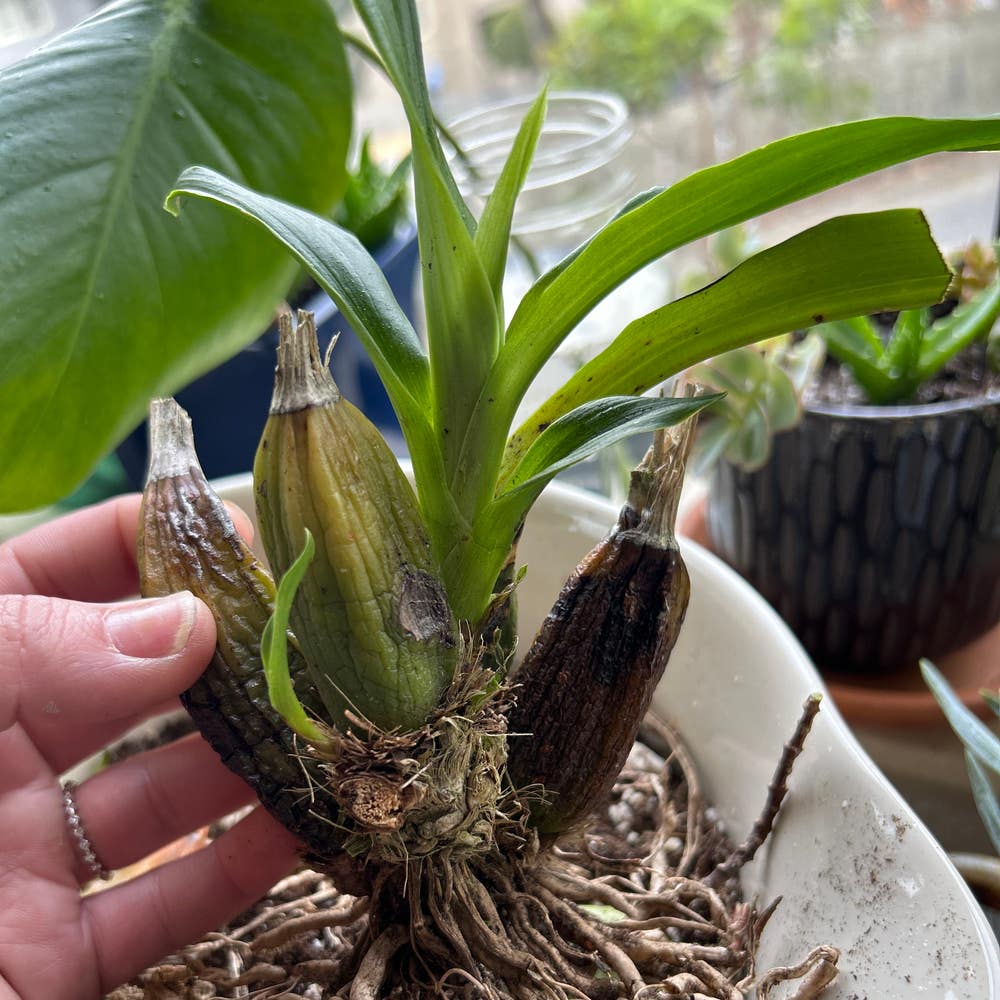
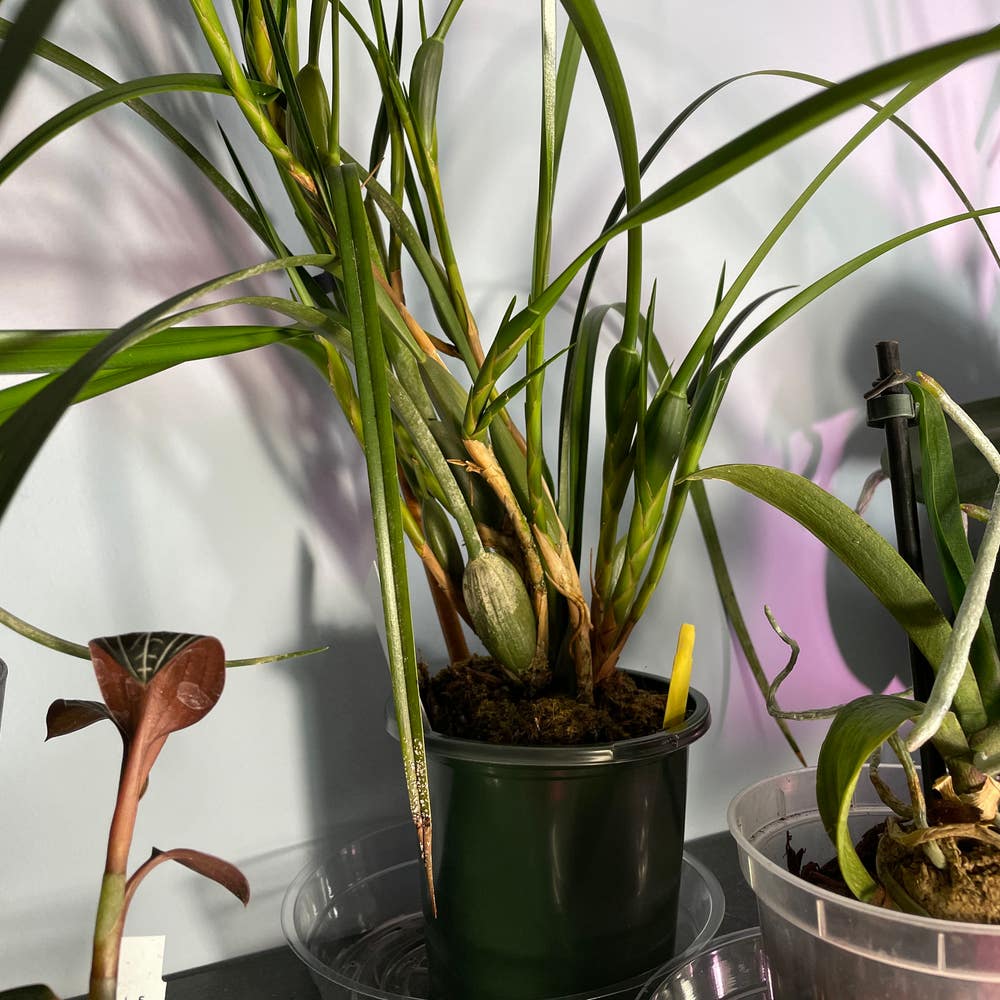
- Position the orchid carefully, ensuring the pseudobulbs sit above the soil line.
- Fill in around the roots with the remaining mix, gently pressing it down to eliminate any air pockets.
🏡 Container vs. Outdoor Planting Considerations
Deciding between container and outdoor planting? Each has its perks.
Container growing offers mobility and a controlled environment, making it easier to manage light and humidity. On the other hand, outdoor care requires consideration of climate, exposure to elements, and protection from pests.
By understanding these factors, you can create the perfect environment for your desert orchid to thrive. Now that your orchid is planted, let’s explore how to keep it healthy with proper watering and fertilizing techniques.
Watering and Fertilizing
💧 Watering Frequency and Techniques
Watering your desert orchid is crucial for its health. As a general guideline, aim to water every 1-2 weeks, ensuring the top inch of soil dries out between waterings.
To water effectively, soak the plant thoroughly until water drains from the bottom. Avoid letting your orchid sit in standing water, as this can lead to root rot.
🌱 Best Fertilizers
Choosing the right fertilizer can make a significant difference in your orchid's growth. A balanced orchid fertilizer with a ratio of 30-10-10 is ideal during the growing season.
For optimal results, fertilize every 2-4 weeks while the plant is actively growing. As winter approaches, reduce the frequency to give your orchid a rest.
🚨 Signs of Overwatering and Underwatering
Recognizing the signs of overwatering is essential for maintaining a healthy orchid. Look for yellowing leaves, mushy roots, and root rot as indicators of too much water.
On the flip side, underwatering can also harm your plant. Signs include wrinkled pseudobulbs, dry leaves, and stunted growth, which signal that your orchid needs more moisture.
Understanding these watering and fertilizing techniques will set you on the path to nurturing a thriving desert orchid. Next, let’s explore the essential steps for pruning and maintaining your plant for long-lasting beauty.
Pruning and Maintenance
When and How to Prune 🌿
Pruning your desert orchid is essential for its health and vitality. The best time to prune is after blooming, usually in late spring or early summer.
To prune effectively, focus on removing dead or yellowing canes and spent flower spikes right at the base. This encourages new growth and keeps your plant looking its best.
Ongoing Care Routine 🔄
Regular inspections are key to maintaining a healthy orchid. Check for pests and assess the overall health of your plant during these inspections.
Stick to a consistent watering and fertilizing schedule to support your orchid's growth. This routine will help ensure your plant thrives.
Seasonal Care Adjustments 🌦️
As seasons change, so should your care routine. During winter months, increase light exposure to help your orchid stay energized.
Humidity control is also crucial. Consider using humidity trays or misting your plant during dry seasons to maintain optimal moisture levels.
With these pruning and maintenance tips, your desert orchid will flourish, bringing beauty and joy to your space. Next, let’s explore common challenges and solutions to keep your orchid thriving.
Common Challenges and Solutions
🐛 Identifying and Managing Pests and Diseases
Desert orchids can face a few pesky invaders. Common pests include aphids, mealybugs, and spider mites, which can wreak havoc if not addressed promptly.
To combat these nuisances, consider using neem oil or insecticidal soap. Regular inspections of your plants will help catch any infestations early, ensuring your orchids remain healthy and vibrant.
🧐 Troubleshooting Common Growth Issues
If you notice yellowing leaves, it’s time to investigate. This can be a sign of overwatering or nutrient deficiencies, both of which need your attention.
Stunted growth is another issue to watch for. Assess the light levels and pot size to ensure your orchid has the right conditions to thrive.
🌡️ Tips for Overcoming Environmental Challenges
Extreme temperatures can stress your orchids. Protect them by using shade cloths or moving them indoors during heatwaves.
Humidity is crucial for desert orchids. To maintain moisture levels, consider using humidifiers or pebble trays, especially during dry seasons. This will help create a more stable environment for your plants to flourish.
With these strategies, you can effectively manage challenges and keep your desert orchids thriving. Next, let’s explore the essential pruning and maintenance practices to ensure your orchids continue to grow beautifully.
⚠️ Safety First
This content is for general information and may contain errors, omissions, or outdated details. It is not medical, veterinary advice, or an endorsement of therapeutic claims.
Always consult a qualified healthcare professional before using any plant as food, medicine, or supplement.
Never eat any plant (or feed one to pets) without confirming its identity with at least two trusted sources.
If you suspect poisoning, call Poison Control (800) 222-1222, the Pet Poison Helpline (800) 213-6680, or your local emergency service immediately.
Spotted an error? Please report it here.
Grow your desert orchid to bloom beautifully 🌼 by using Greg's tailored care reminders and expert tips that ensure your plant thrives in its perfect environment!