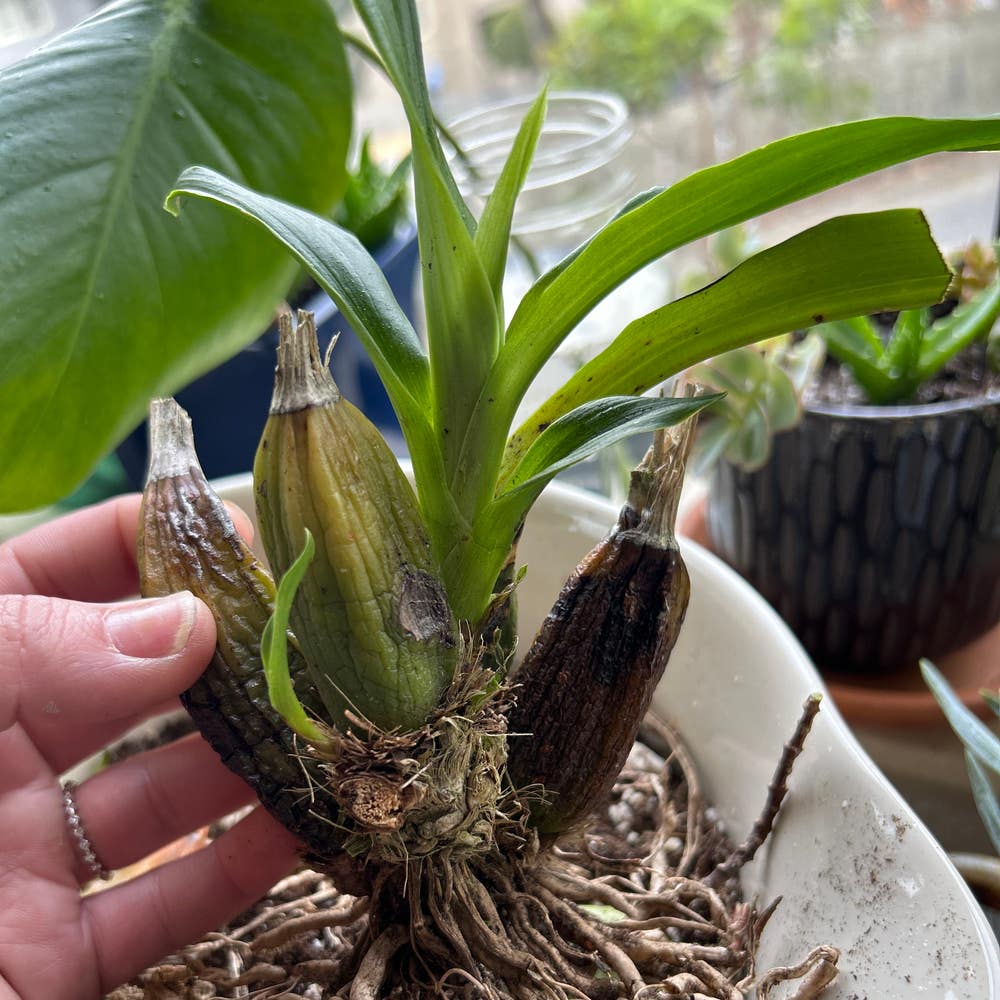
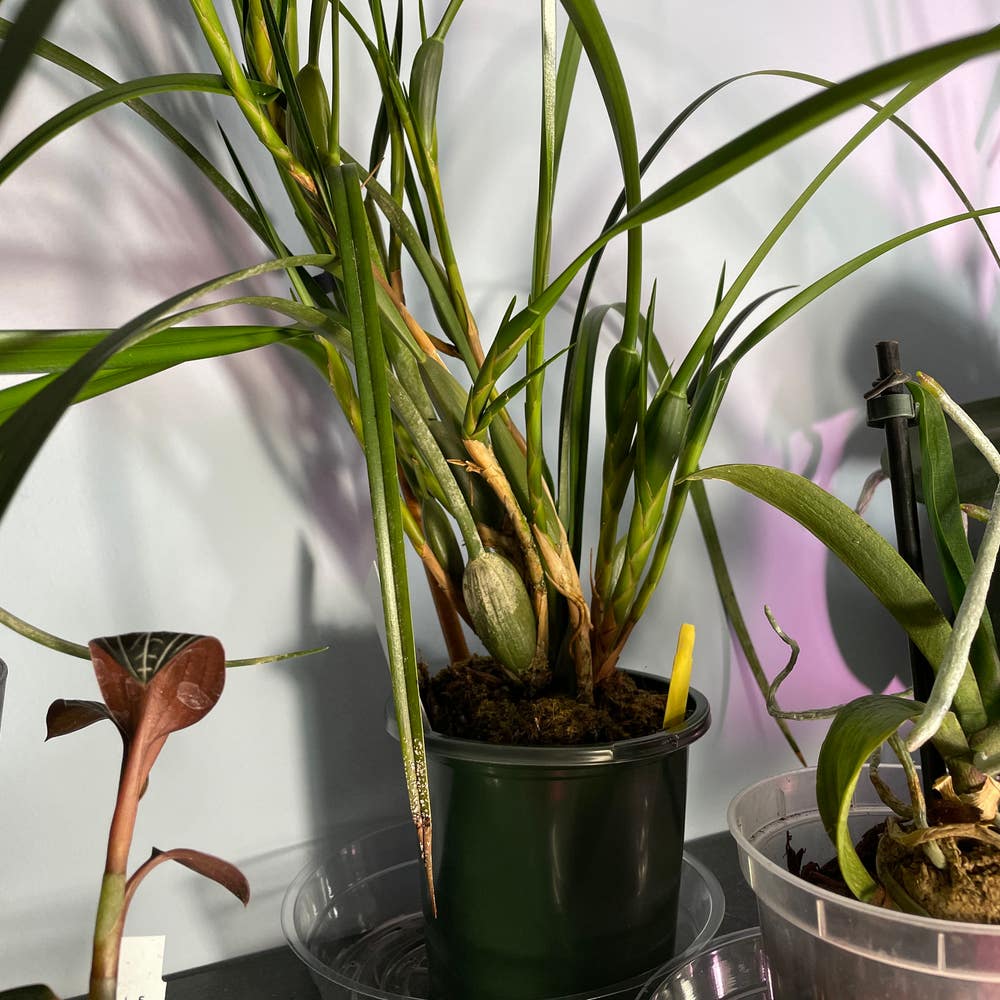
🌵 Fertilizing Your Desert Orchid to Double Its Growth
Eulophia petersii
By the Greg Editorial Team
Jan 07, 2025•5 min read
This article was created with the help of AI so we can cover more plants for you. May contain errors. See one? Report it here.
Transform your desert orchids 🌵 into stunning blooms with essential fertilization tips and care techniques!
- 🌱 Use organic fertilizers like fish emulsion for slow nutrient release in desert orchids.
- 💧 Dilute liquid fertilizers to prevent root burn and ensure healthy growth.
- 📅 Fertilize every 2-4 weeks during growth; adjust frequency for blooming and dormancy.
Types of Fertilizers Suitable for Desert Orchid
🌱 Organic Options
Organic fertilizers are a fantastic choice for your desert orchid. They offer slow release of nutrients, which minimizes the risk of over-fertilization.
Recommended organic options include fish emulsion and seaweed extract. Both provide essential nutrients while promoting healthy growth.
💧 Liquid Fertilizer
Liquid fertilizers are known for their quick absorption and immediate nutrient availability. This makes them ideal for giving your orchid a rapid boost when needed.
For best results, dilute liquid fertilizers to 1/4 to 1/2 strength. This ensures your plant receives the nutrients without the risk of burning its delicate roots.
⏳ Slow-Release Fertilizer
Slow-release fertilizers come in granules or pellets, providing a steady supply of nutrients over time. They are convenient and effective for busy plant owners.
Typically, you'll want to apply 1 tablespoon per pot, adjusting based on the pot size. These fertilizers can last up to 3 months, making them a reliable option for sustained growth.
Incorporating the right type of fertilizer is crucial for your desert orchid's health. With these options, you can ensure your plant thrives and flourishes. Next, let’s explore the recommended fertilization schedule to maximize growth potential.
Recommended Fertilization Schedule
Frequency and Timing 🌱
To keep your desert orchid thriving, establish a consistent fertilization routine. During active growth, fertilize every 2 to 4 weeks to provide essential nutrients.
When your orchid is blooming, increase the frequency to every 2 weeks. This extra boost helps support those beautiful flowers. In the dormant season, however, reduce fertilization to once a month or stop entirely, allowing your plant to rest.
Tips for Monitoring Growth Stages 🔍
Understanding your orchid's growth stages is crucial for effective fertilization. Look for signs of new growth, blooming, and dormancy to gauge when to adjust your feeding schedule.
By observing these phases, you can tailor your fertilization approach. For instance, if you notice new growth, it’s time to ramp up nutrient delivery, ensuring your orchid has everything it needs to flourish.
With this knowledge, you can confidently nurture your desert orchid, setting the stage for vibrant blooms and robust growth. Next, let’s explore the signs of nutrient deficiency to ensure your plant remains healthy and thriving.
Signs of Nutrient Deficiency
🌱 Common Deficiencies
Nutrient deficiencies can significantly impact the health of your desert orchid.
- Nitrogen deficiency often manifests as yellowing leaves and stunted growth, indicating that your plant isn't getting enough of this essential nutrient.
- Phosphorus deficiency leads to poor root development and a lack of blooms, which can be frustrating for any orchid enthusiast.
- Potassium deficiency shows up as browning leaf edges and weak stems, signaling that your orchid needs a boost.
🛠️ Remedies for Nutrient Deficiencies
Addressing these deficiencies promptly can help your orchid thrive.
- Start with immediate adjustments by increasing the specific nutrient ratios in your fertilization routine.
- Conduct soil testing to assess pH and nutrient levels, allowing for targeted solutions that cater to your plant's needs.
By keeping an eye on these signs and taking action, you can ensure your desert orchid remains vibrant and healthy. This proactive approach will set the stage for the next section, where we’ll explore how to identify signs of over-fertilization and the remedies to correct them.
Signs of Over-Fertilization and Remedies
🌱 Identifying Over-Fertilization
Over-fertilization can be detrimental to your desert orchid. Common symptoms include leaf burn, where the edges turn brown and crispy, wilting despite adequate watering, and root rot, which can lead to plant death.
These issues often arise from excessive fertilizer application or poor drainage. If your orchid shows these signs, it’s crucial to act quickly to prevent further damage.
🛠️ Solutions
One effective remedy is flushing the soil. This involves thoroughly watering the plant to leach out excess nutrients, helping restore balance.
Additionally, adjusting your fertilization practices is essential. Reduce the frequency and concentration of fertilizer to ensure your orchid receives the right amount of nutrients without the risk of overdoing it.
By monitoring your plant closely and making these adjustments, you can help your desert orchid thrive without the pitfalls of over-fertilization.
Application Techniques for Fertilizing
🌊 Proper Application of Liquid Fertilizer
Liquid fertilizers can be a game changer for your desert orchid. Start by diluting the fertilizer with water according to the package instructions.
Next, apply the mixture thoroughly, ensuring even distribution across the soil. Timing is crucial; aim to fertilize during the morning or late afternoon to prevent leaf burn from the sun.
⏳ Using Slow-Release Fertilizers
Slow-release fertilizers offer a steady supply of nutrients over time. Begin by mixing the granules or pellets into the top layer of your potting medium.
Apply these fertilizers at the start of the growing season for optimal results. After application, monitor your plant's response over the following months to gauge effectiveness.
🌱 Best Practices for Different Growth Stages
Understanding your orchid's growth stages can significantly enhance its health. During new growth, opt for fertilizers with higher nitrogen content to promote lush foliage.
As your orchid approaches blooming, increase phosphorus levels to encourage flower development. After blooming, switch to a balanced nutrient mix to support recovery and prepare for the next growth cycle.
By following these application techniques, you'll set your desert orchid on a path to thrive. Next, let’s explore the recommended fertilization schedule to maximize growth potential.
⚠️ Safety First
This content is for general information and may contain errors, omissions, or outdated details. It is not medical, veterinary advice, or an endorsement of therapeutic claims.
Always consult a qualified healthcare professional before using any plant as food, medicine, or supplement.
Never eat any plant (or feed one to pets) without confirming its identity with at least two trusted sources.
If you suspect poisoning, call Poison Control (800) 222-1222, the Pet Poison Helpline (800) 213-6680, or your local emergency service immediately.
Spotted an error? Please report it here.
Boost your desert orchid's growth and blooms with smart fertilization tips 🌼 from Greg, who'll send you tailored reminders to keep your plant thriving!