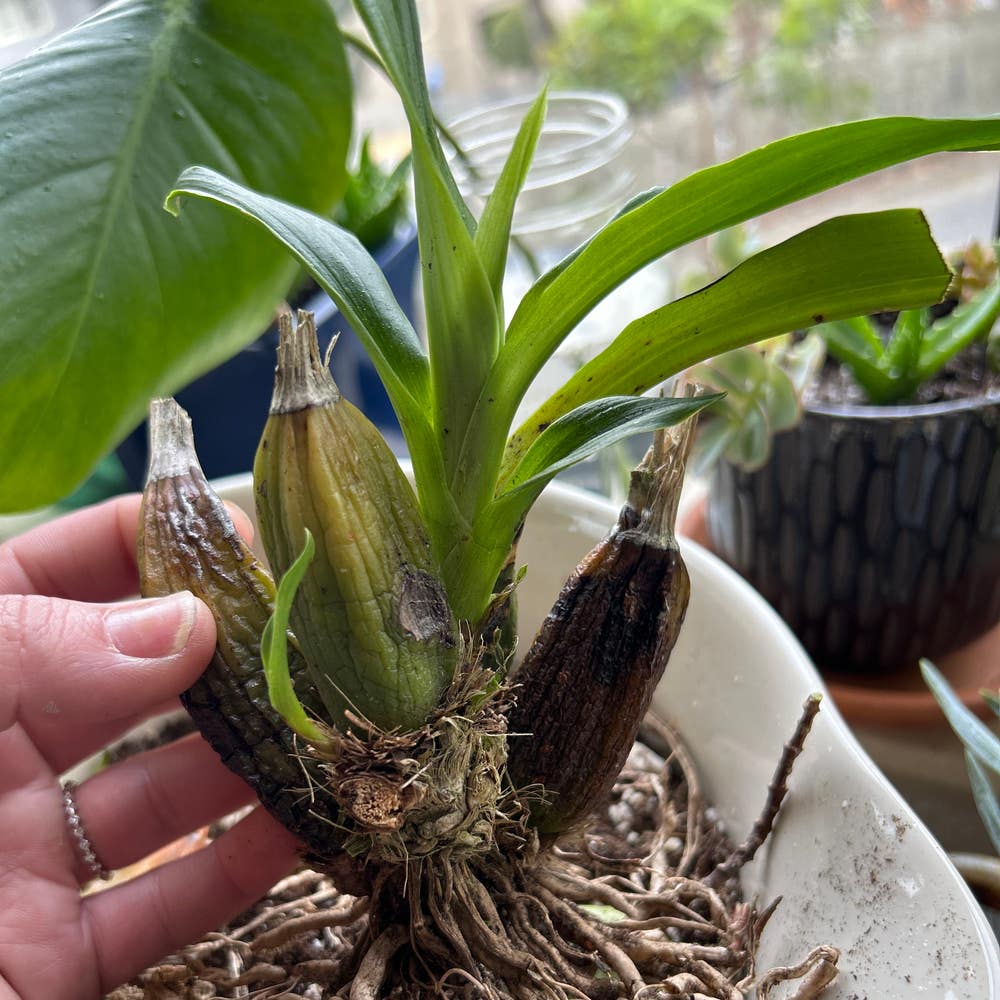
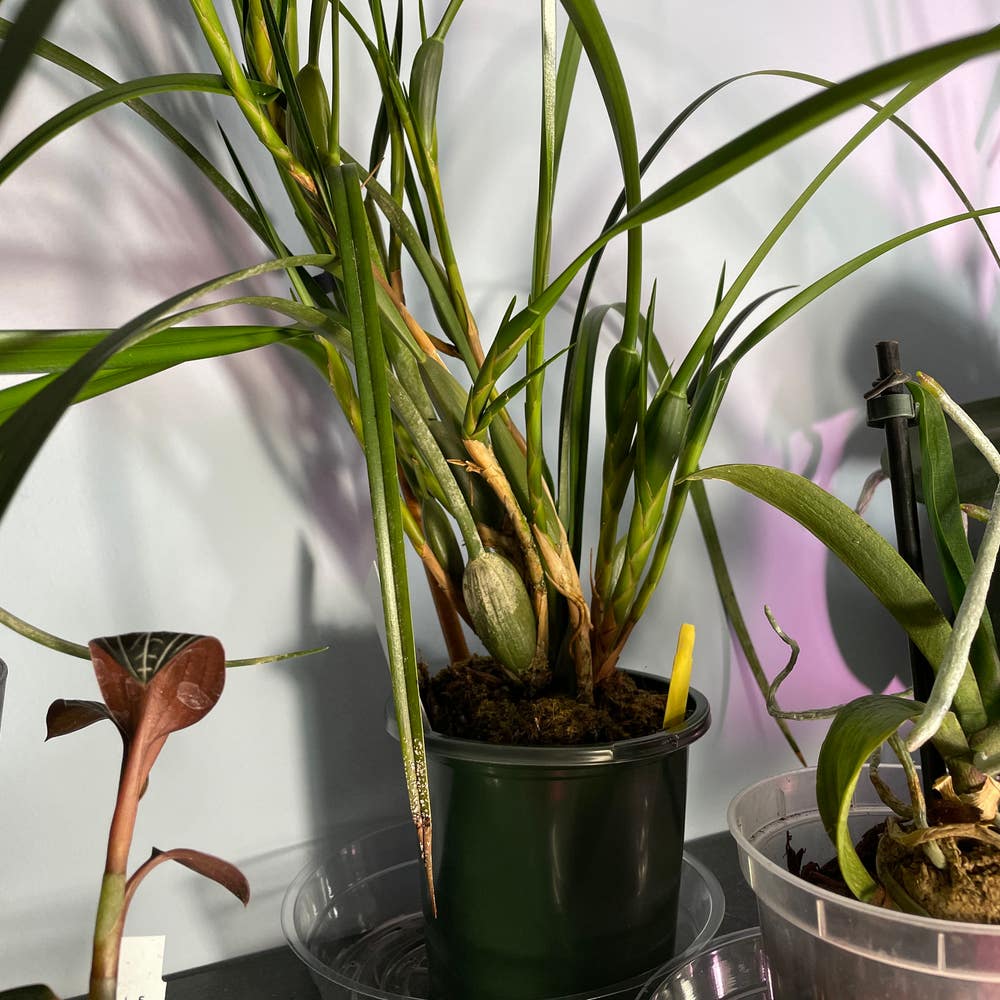
🌵 4 Outdoor Care Tips for Desert Orchid
Eulophia petersii
By the Greg Editorial Team
Jan 07, 2025•7 min read
This article was created with the help of AI so we can cover more plants for you. May contain errors. See one? Report it here.
Transform your desert orchids 🌵 into vibrant beauties with essential care tips for sunlight, watering, and more! 🌞
- 🌞 Desert orchids need 6-8 hours of sunlight daily for optimal growth.
- 💧 Water deeply but infrequently, allowing soil to dry completely between waterings.
- 🌱 Use a well-draining soil mix for healthy roots and vibrant blooms.
Sunlight Needs
Ideal Sunlight Exposure 🌞
Desert orchids thrive on sunlight, requiring 6-8 hours of direct sunlight daily for optimal growth. In extremely hot climates, partial shade can be a lifesaver, preventing leaf scorch and ensuring your plant stays healthy.
Signs of Inadequate Sunlight 🚨
If your orchid is struggling, look for signs of stunted growth. A lack of blooms and elongated stems can indicate insufficient light.
Additionally, leaf discoloration is a red flag. Yellowing or browning leaves suggest your plant is under stress and might need more sun.
Understanding these sunlight needs is crucial for nurturing your desert orchid. With the right exposure, you’ll encourage vibrant blooms and robust growth, setting the stage for a thriving plant.
Next, let’s explore the watering requirements essential for keeping your desert orchid healthy and happy.
Watering Requirements
General Watering Guidelines 🌊
Watering your desert orchid is all about balance. Aim to water deeply but infrequently, allowing the soil to dry out completely between waterings.
For optimal growth, a recommended schedule is every 1-2 weeks during the growing season. This approach helps prevent root rot while ensuring your plant receives the moisture it needs.
Signs of Overwatering and Underwatering 🚰
Recognizing the signs of overwatering is crucial. Look out for symptoms like root rot, yellowing leaves, and mushy roots, which indicate that your orchid is drowning.
On the flip side, underwatering can lead to wilting leaves and dry, crispy edges. Keeping an eye on these signs will help you maintain a healthy watering routine for your desert orchid.
With these guidelines in mind, you’re well on your way to nurturing a thriving plant. Next, let’s explore the ideal soil preferences to further support your orchid’s growth.
Soil Preferences
Best Soil Composition 🌵
To keep your desert orchid thriving, a well-draining soil mix is essential. The ideal composition is 50% cactus mix, 25% perlite, and 25% orchid bark, which ensures that excess water drains away quickly, preventing root rot.
Good drainage is crucial for these plants, as they are susceptible to overwatering. A proper soil mix not only supports healthy root development but also mimics their natural habitat.
Soil pH and Nutrient Needs 🧪
Maintaining the right soil pH is vital for your orchid's health. Aim for a pH range of 6.0 to 7.0 to promote optimal nutrient absorption.
When it comes to fertilization, desert orchids have low to moderate nutrient needs. Focus on providing balanced nutrients to support growth without overwhelming the plant. Regular monitoring will help you adjust as needed, ensuring your orchid remains vibrant and healthy.
With the right soil and nutrients, your desert orchid will flourish, setting the stage for beautiful blooms. Next, let’s explore the best fertilization tips to keep your plant thriving.
Fertilization Tips
Fertilization Schedule 🌱
To keep your desert orchid thriving, fertilize it monthly during the growing season, which spans spring and summer. Use a balanced orchid fertilizer, ideally a 30-10-10 mix, but remember to dilute it to half strength for optimal results.
Signs of Nutrient Deficiency ⚠️
Watch for yellowing leaves; this often signals a nitrogen deficiency. Additionally, if your orchid struggles to bloom, it may be a sign that it’s not getting enough nutrients.
Understanding these fertilization tips will help ensure your desert orchid remains healthy and vibrant. Next, let’s explore the best planting options for your orchid to thrive in its environment.
Planting Options
When it comes to planting your desert orchid, you have two main choices: container planting or ground planting. Each option has its own set of benefits and drawbacks that can significantly impact your plant's health and growth.
🌱 Container vs. Ground Planting
Benefits and Drawbacks of Container Planting
Container planting offers remarkable mobility. You can easily move your orchids to find the perfect sunlight or shield them from harsh weather conditions.
Additionally, containers provide a controlled environment. This makes it simpler to manage soil quality and watering schedules, ensuring your orchid gets exactly what it needs.
Benefits and Drawbacks of Ground Planting
On the other hand, ground planting allows for natural growth. Your orchid's roots have more space to expand, which can lead to a healthier plant overall.
Moreover, ground planting typically offers better moisture retention. This means you won't have to water as frequently, making it a more low-maintenance option in some cases.
Choosing between container and ground planting ultimately depends on your specific gardening goals and local conditions. Consider your lifestyle and the environment to make the best decision for your desert orchid.
With the right choice, your orchid will thrive, setting the stage for vibrant blooms and healthy growth.
Weather Protection
🌞 Strategies for Protecting from Extreme Weather
Desert orchids thrive in warm conditions, but extreme weather can pose a challenge. Using shade cloth during intense heat can shield your plants from sunburn, ensuring they stay healthy and vibrant.
In colder months, frost cloth becomes essential. This protective layer helps guard against frost damage, allowing your orchids to survive chilly nights without stress.
🍂 Seasonal Changes and Their Impact on Care
As the seasons change, so should your care routine. Adjusting your watering and fertilization schedules based on temperature fluctuations is crucial for maintaining plant health.
Keep an eye on weather forecasts. Being proactive about upcoming weather changes can help you take necessary precautions, ensuring your desert orchids remain thriving and resilient throughout the year.
With these strategies in place, your orchids will be well-equipped to handle whatever Mother Nature throws their way. Next, let’s explore pest and disease management to keep your plants in top shape.
Pest and Disease Management
Common Outdoor Pests 🐜
When caring for your desert orchid, be vigilant about pests. Aphids are a common nuisance; look for sticky residue on leaves and curled edges as telltale signs of their presence.
Spider mites can also wreak havoc, leaving fine webbing and stippled leaves in their wake. Regular checks can help you catch these pests early, preventing more significant damage.
Disease Prevention Strategies 🛡️
To keep your orchid thriving, make regular inspections a part of your routine. Early detection of pests and diseases is crucial for effective management.
Maintaining plant health is equally important. Proper watering and fertilization not only nourish your orchid but also enhance its resilience against pests and diseases. A healthy plant is your best defense!
With these strategies in place, your desert orchid will be well-equipped to flourish. Next, let’s explore how to adjust your care throughout the seasons for optimal growth.
Seasonal Care
Caring for your desert orchid throughout the seasons is crucial for its health and vibrancy. Each season brings unique challenges and opportunities for growth.
🌸 Spring Care Tips
As spring arrives, it's time to kickstart your orchid's growth. Begin monthly feeding to provide essential nutrients, and don’t forget to prune any dead leaves to encourage new growth.
☀️ Summer Care Tips
Summer heat can be intense, so increase your watering frequency to keep your orchid hydrated. Providing shade during extreme heat is also vital to prevent sunburn and stress on the plant.
🍂 Fall Care Tips
In the fall, gradually reduce your watering schedule as temperatures begin to drop. This is also a great time to inspect for pests, ensuring your orchid stays healthy as it prepares for the cooler months.
❄️ Winter Care Tips
Winter protection is key for your desert orchid. Shield it from frost and reduce fertilization to allow the plant to rest during this dormant period.
By adjusting your care routine with the seasons, you can help your desert orchid thrive year-round. Next, let’s explore how climate zones affect your orchid care strategies.
Climate Zone Considerations
Best Climate Zones for Growing 🌞
Desert orchids thrive best in USDA zones 9-11. These zones provide the warm temperatures and sunlight that these plants crave for optimal growth.
Special Considerations 🛡️
In hot, dry climates, ensure your orchids have adequate drainage. This helps prevent root rot and keeps your plants healthy.
For those in humid climates, focus on increasing airflow around your orchids. This reduces the risk of overwatering and prevents rot, keeping your plants thriving.
Understanding your climate zone is crucial for successful orchid care. With the right conditions, your desert orchids can flourish beautifully.
Next, let's explore effective pest and disease management strategies to keep your orchids healthy and vibrant.
⚠️ Safety First
This content is for general information and may contain errors, omissions, or outdated details. It is not medical, veterinary advice, or an endorsement of therapeutic claims.
Always consult a qualified healthcare professional before using any plant as food, medicine, or supplement.
Never eat any plant (or feed one to pets) without confirming its identity with at least two trusted sources.
If you suspect poisoning, call Poison Control (800) 222-1222, the Pet Poison Helpline (800) 213-6680, or your local emergency service immediately.
Spotted an error? Please report it here.
Keep your desert orchid thriving in the sun ☀️ with Greg's custom watering reminders and tailored care tips that ensure it flourishes all year long!