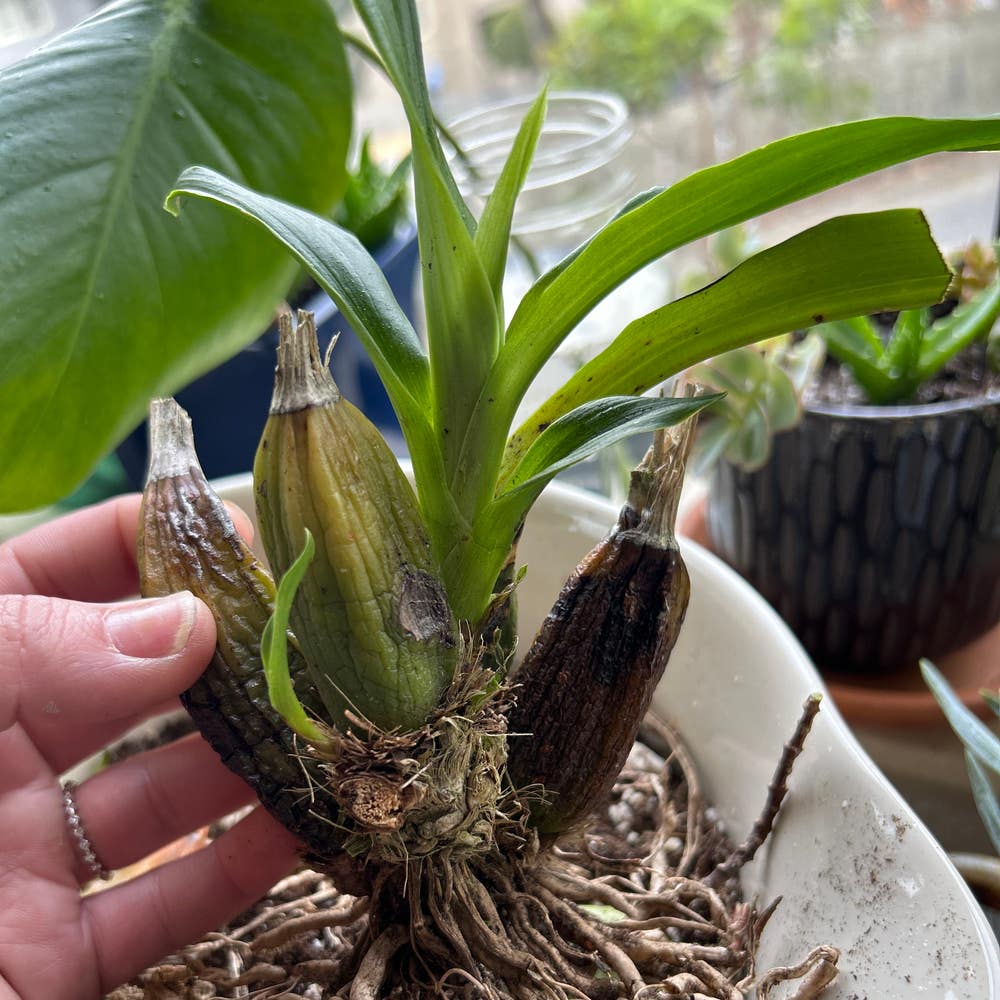
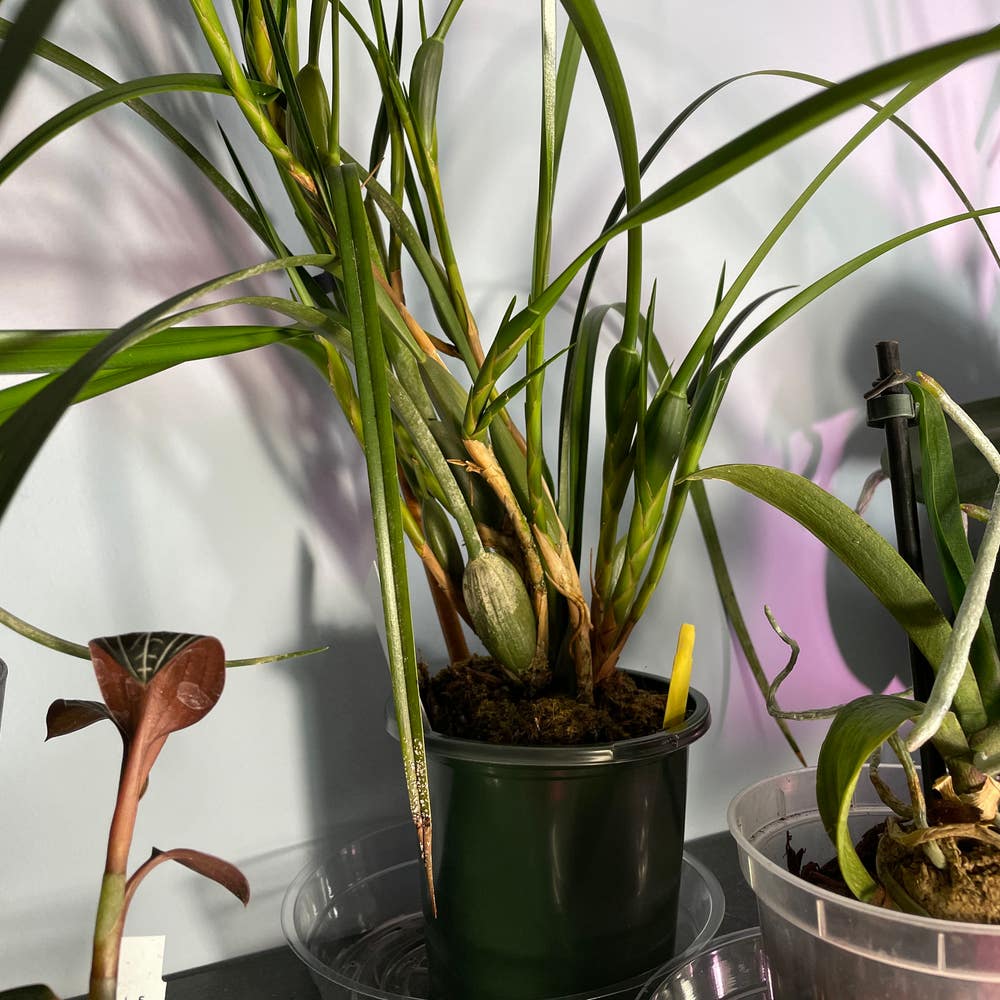
Top 3 Pot Options to Make Your Desert Orchid Thrive 🌵
Eulophia petersii
By the Greg Editorial Team
Jan 07, 2025•5 min read
This article was created with the help of AI so we can cover more plants for you. May contain errors. See one? Report it here.
Master potting techniques 🌱 to ensure your Desert Orchid thrives with optimal materials, sizes, and drainage!
- 🌱 Choose breathable pot materials like clay for optimal Desert Orchid health.
- 💧 Proper pot size and drainage are crucial to prevent root rot and promote growth.
- ♻️ Repot every 1-2 years to ensure healthy roots and nutrient absorption.
Pot Materials
Choosing the right pot material is crucial for the health of your Desert Orchid. Each option has its unique benefits and drawbacks that can significantly impact your plant's growth.
🏺 Clay Pots
Clay pots are a popular choice among orchid enthusiasts. They are breathable, allowing for excellent air circulation around the roots, which is essential for healthy growth.
However, they come with some downsides. Clay pots are heavier than other materials and can dry out quickly, requiring more frequent watering.
🥤 Plastic Pots
Plastic pots offer a lightweight alternative that many gardeners appreciate. They retain moisture better than clay, making them a good option for those who may forget to water regularly.
On the flip side, plastic pots are less breathable. This means you might need to implement additional drainage solutions to prevent water from accumulating at the bottom.
🌱 Other Materials
Ceramic pots are another option, known for their aesthetic appeal. They can add a touch of elegance to your plant display, but they often retain too much moisture, which can lead to root rot.
Biodegradable pots are an eco-friendly choice, especially for seedlings. They break down over time, enriching the soil while providing a nurturing environment for young plants.
In summary, selecting the right pot material is about balancing aesthetics, moisture retention, and breathability. Consider your Desert Orchid's specific needs to make the best choice.
Next, we'll explore how pot size impacts the health and growth of your Desert Orchid.
Pot Size and Health
Size Recommendations 🌱
Choosing the right pot size is crucial for your Desert Orchid's health. During the seedling stage, opt for a pot size of 2-4 inches in diameter to encourage strong root development.
As your plant transitions into the juvenile stage, increase the pot size to 4-6 inches. For mature plants, a pot size of 6-10 inches is ideal. Always consider the growth habit of your orchid; adjust the pot size based on root development and the overall size of the plant.
Impact on Growth 📈
The size of the pot significantly affects root development and nutrient uptake. A properly sized pot allows roots to spread, which enhances nutrient absorption and overall plant vitality.
Additionally, the material of the pot influences moisture retention and temperature regulation. For instance, clay pots can dry out quickly, while plastic pots retain moisture better, impacting how your orchid thrives.
Drainage Considerations
💧 Importance of Drainage Holes
Proper drainage is crucial for the health of your Desert Orchid. Without adequate drainage holes, water can accumulate, leading to root rot, which can be fatal for your plant.
Aim for at least 4-6 drainage holes in your pot to ensure optimal water flow. This simple feature can make a significant difference in your plant's overall health.
🥇 Best Practices
When selecting pots, look for those with built-in drainage systems. These pots are designed to facilitate water flow, reducing the risk of overwatering.
Using a well-draining potting mix is equally important. This type of mix allows excess moisture to escape while retaining just enough for your plant's needs.
Additionally, consider adding a layer of gravel or stones at the bottom of the pot. This extra step enhances drainage and prevents soil from clogging the holes, ensuring your Desert Orchid thrives.
With these drainage considerations in mind, you can create an ideal environment for your plant. Next, let’s explore when and how to repot your Desert Orchid for continued growth and vitality.
Repotting Guidelines
Repotting your Desert Orchid is crucial for its health and growth. Knowing when and how to repot can make all the difference in keeping your plant thriving.
🕒 When to Repot
It's generally recommended to repot every 1-2 years or whenever your plant becomes root-bound. The best time to do this is in spring or early summer when the plant is actively growing.
🚨 Signs That Repotting is Necessary
Watch for key indicators that your orchid needs a new home. If you see roots growing out of the drainage holes, it's time to act.
Other signs include soil that is breaking down and losing its structure, or if your plant shows stunted growth despite receiving proper care. These are clear signals that repotting is overdue.
📋 Step-by-Step Guide
Follow these steps to ensure a successful repotting experience:
- Prepare new pot: Choose an appropriate size and material for your orchid.
- Remove the plant: Gently loosen the root ball from the old pot to avoid damaging the roots.
- Inspect roots: Trim any dead or damaged roots to promote healthy growth.
- Add potting mix: Fill the new pot with fresh, well-draining potting mix.
- Position the plant: Center the root ball in the new pot and fill in around it with more mix.
- Water thoroughly: Ensure the mix is moist but not soggy to avoid root rot.
By following these guidelines, you can help your Desert Orchid flourish in its new pot. Next, let’s explore common potting mistakes to avoid for optimal plant health.
Common Potting Mistakes
🪴 Overpotting vs. Underpotting
Choosing the wrong pot size can significantly impact your Desert Orchid's health. Overpotting occurs when the pot is too large, leading to excessive moisture retention and an increased risk of root rot.
Conversely, underpotting can stunt growth, as the roots become cramped and bound. Signs of root-bound plants include roots growing out of drainage holes and a noticeable slowdown in growth despite proper care.
🚰 Ignoring Drainage Needs
Proper drainage is crucial for any potted plant, especially orchids. Using pots without drainage holes can lead to water accumulation, which is a recipe for disaster.
Selecting pots specifically designed for orchids ensures that excess water can escape, promoting a healthier root environment. Always check for adequate drainage to keep your plant thriving.
🧱 Using Inappropriate Materials
The materials you choose for your pot can make or break your plant's success. Non-breathable materials can suffocate roots, leading to poor growth and health issues.
Opt for breathable options like clay or specific plastic pots designed for orchids. These materials support healthy root growth by allowing air circulation and moisture regulation.
⚠️ Safety First
This content is for general information and may contain errors, omissions, or outdated details. It is not medical, veterinary advice, or an endorsement of therapeutic claims.
Always consult a qualified healthcare professional before using any plant as food, medicine, or supplement.
Never eat any plant (or feed one to pets) without confirming its identity with at least two trusted sources.
If you suspect poisoning, call Poison Control (800) 222-1222, the Pet Poison Helpline (800) 213-6680, or your local emergency service immediately.
Spotted an error? Please report it here.
Choose the perfect pot for your Desert Orchid 🌵 with Greg's tailored care tips and reminders, ensuring your plant thrives in its ideal environment!