🌵 Dealing with Droopy Leaves on Your Desert Orchid
Eulophia petersii
By the Greg Editorial Team
Jan 07, 2025•6 min read
This article was created with the help of AI so we can cover more plants for you. May contain errors. See one? Report it here.
Transform your droopy Desert Orchid 🌵 into a thriving beauty with essential tips on care and recovery!
- 💧 Overwatering and underwatering both cause droopy leaves; adjust watering accordingly.
- 🌡️ Optimal conditions for Desert Orchids are 65°F-80°F and 40%-70% humidity.
- 🐛 Inspect regularly for pests like aphids; they can lead to droopy leaves.
Causes of Droopy Leaves
💧 Overwatering: Signs and Solutions
Overwatering is a common issue for Desert Orchids, leading to yellowing leaves and a mushy texture. If you notice dark, mushy roots, root rot may be the culprit.
To remedy overwatering, allow the soil to dry out completely before rewatering. If the problem persists, consider repotting your orchid in fresh, well-draining orchid mix.
🚰 Underwatering: Identifying Symptoms and Recovery
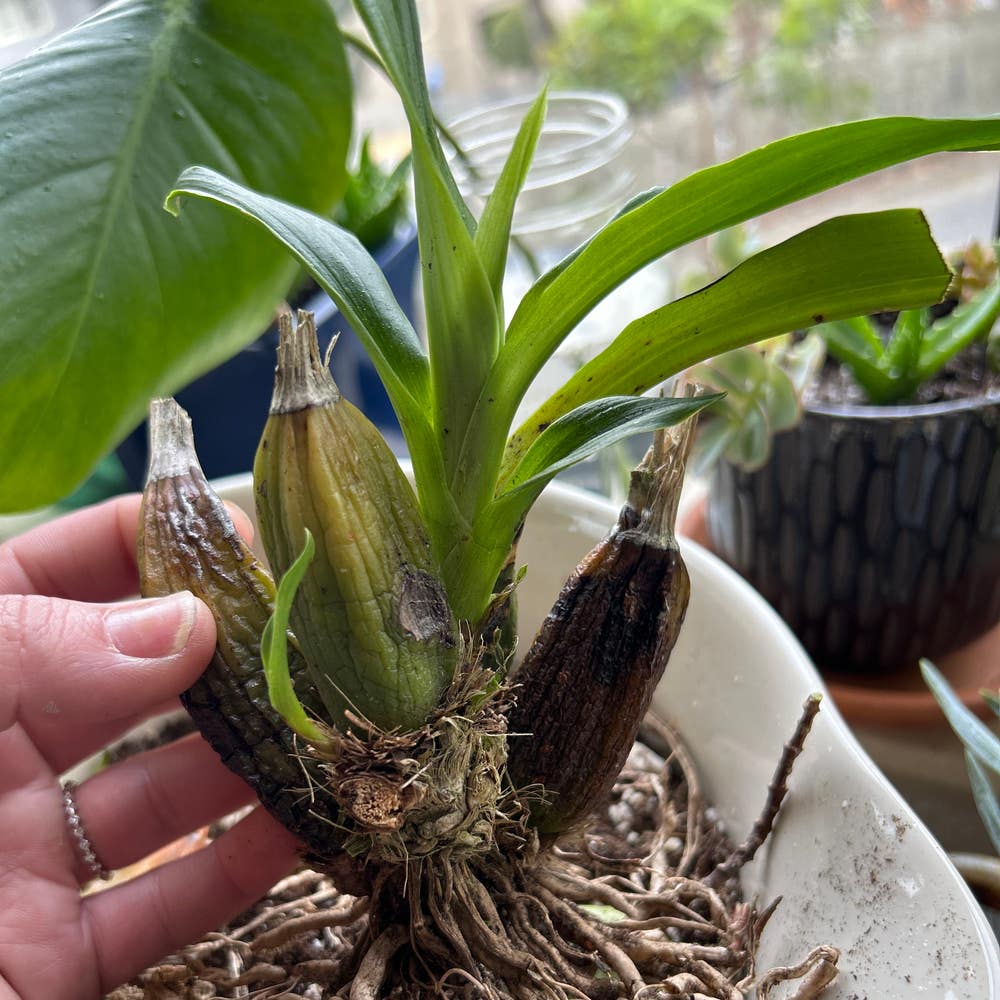
Underwatering can also cause droopy leaves, presenting as wrinkled, shriveled foliage and a dry, brittle texture.
To recover from underwatering, gradually increase your watering frequency. A helpful method is to soak the pot in water for 15-20 minutes to rehydrate the roots effectively.
🌡️ Environmental Stress: Temperature and Humidity Effects
Desert Orchids thrive in temperatures between 65°F to 80°F (18°C to 27°C) and require humidity levels of 40% to 70% for optimal growth. Sudden temperature changes or low humidity can lead to droopy leaves.
To combat environmental stress, use a humidity tray or mist your orchids regularly to maintain appropriate humidity levels.
🥦 Nutrient Deficiencies: Impact on Leaf Health
Nutrient deficiencies can significantly affect leaf health. A lack of nitrogen often results in yellowing and drooping leaves, while magnesium deficiency can cause leaf curling.
To address these issues, use a balanced orchid fertilizer every 4-6 weeks during the growing season. Conducting a soil test can also help determine nutrient levels and guide your fertilization strategy.
🐞 Pest Infestations: Common Pests and Their Effects
Pests like aphids and mealybugs can wreak havoc on your Desert Orchids. Aphids may cause leaf curling and drooping, while mealybugs leave a sticky residue and can lead to leaf drop.
Regularly inspect your orchids for signs of pests. If you spot any, treat them with insecticidal soap or neem oil to keep your plants healthy.
Understanding these causes of droopy leaves is essential for maintaining the health of your Desert Orchid. Next, we’ll dive into how to diagnose these issues effectively.
Diagnosing Droopy Leaves
👀 Visual Inspection: What to Look For
Start by closely examining your Desert Orchid's leaves. Look for discoloration, texture changes, and overall leaf health.
Next, identify patterns of droopiness. Are all the leaves drooping uniformly, or is it selective? This can provide clues about the underlying issue.
🌱 Root Health Assessment: Checking for Rot or Damage
To assess root health, gently remove the orchid from its pot. Healthy roots should be firm and green, while rotting roots will appear dark, mushy, and may emit a foul smell.
If you find damaged roots, trim them away. Repot the orchid in fresh medium to promote recovery.
💧 Soil Moisture Evaluation: Testing for Proper Watering
Checking soil moisture is crucial for your orchid's health. You can use the finger test by inserting your finger 1-2 inches into the soil to gauge moisture levels.
For more accuracy, consider using a moisture meter. Adjust your watering schedule based on the readings to ensure your orchid receives the right amount of water.
Treating Droopy Leaves
🌊 Step-by-Step Guide to Adjusting Watering Practices
To tackle droopy leaves, start by assessing your current watering schedule and the moisture level of the soil. This initial evaluation is crucial for determining whether your orchid is overwatered or underwatered.
Next, adjust the watering frequency based on environmental conditions. Factors like temperature and humidity can significantly impact how often you need to water your Desert Orchid.
Finally, implement a consistent watering routine. Regularity helps your orchid thrive and reduces the risk of droopiness.
💧 How to Improve Humidity Levels
Humidity plays a vital role in the health of your Desert Orchid. To increase humidity, consider using a humidifier in the growing area, which can create a more favorable environment.
Another effective method is to place a tray of water with pebbles under the pot. This setup allows for gentle evaporation, boosting humidity around your orchid.
Make sure to monitor humidity levels regularly. Keeping track ensures your orchid receives the moisture it needs to flourish.
🌱 Techniques for Repotting and Root Care
Repotting is essential for maintaining healthy roots and preventing droopy leaves. Aim to repot your Desert Orchid every 1-2 years or whenever you notice signs of root rot.
When it's time to repot, follow these steps:
- Remove the old medium and clean the roots thoroughly.
- Place the orchid in a new pot with fresh orchid mix.
- Water lightly after repotting to help settle the roots.
These steps will rejuvenate your orchid and promote healthier growth.
🐛 Pest Control Methods Specific to Desert Orchids
Pests can wreak havoc on your Desert Orchid, leading to droopy leaves and other issues. Start by identifying any pests and assessing the damage they cause.
For small infestations, manual removal can be effective. Simply wipe away pests with a damp cloth or rinse the leaves gently.
In cases of severe infestations, consider using systemic insecticides. These treatments can help eliminate pests more thoroughly and protect your orchid's health.
By addressing watering, humidity, repotting, and pest control, you can effectively treat droopy leaves and ensure your Desert Orchid thrives. Next, let’s explore how to prevent future issues to keep your orchid looking its best.
Preventing Future Issues
Best Practices for Watering 🌊
Establishing a consistent watering schedule is crucial for your Desert Orchid's health. Adjust your routine based on seasonal changes to ensure the plant receives the right amount of moisture.
Using well-draining pots is another key factor. This prevents water accumulation, which can lead to root rot and droopy leaves.
Ideal Light Conditions for Healthy Growth ☀️
Desert Orchids thrive in bright, indirect sunlight for about 6-8 hours daily. Make sure to adjust light exposure according to the seasons to keep your plant happy and healthy.
Nutritional Needs and Fertilization Schedule 🍽️
Fertilization is essential for robust growth. Aim to fertilize every 4-6 weeks during the active growing season using balanced NPK or orchid-specific formulas.
Seasonal Care Adjustments to Prevent Droopiness 🍂
As temperatures change with the seasons, adjust your watering and humidity levels accordingly. It's also wise to monitor for pests more frequently during warmer months, as they tend to become more active.
By following these best practices, you can help your Desert Orchid thrive and prevent future droopiness. Next, let’s explore how to treat droopy leaves effectively.
⚠️ Safety First
This content is for general information and may contain errors, omissions, or outdated details. It is not medical, veterinary advice, or an endorsement of therapeutic claims.
Always consult a qualified healthcare professional before using any plant as food, medicine, or supplement.
Never eat any plant (or feed one to pets) without confirming its identity with at least two trusted sources.
If you suspect poisoning, call Poison Control (800) 222-1222, the Pet Poison Helpline (800) 213-6680, or your local emergency service immediately.
Spotted an error? Please report it here.
Keep your Desert Orchid thriving and leafy green 🌿 with Greg's tailored care reminders that ensure you never miss a watering or nutrient boost!