3 Tips for Healing Brown Spots on Your Desert Orchid 🩹
Eulophia petersii
By the Greg Editorial Team
Jan 07, 2025•5 min read
This article was created with the help of AI so we can cover more plants for you. May contain errors. See one? Report it here.
Revive your desert orchid 🌵 by mastering the diagnosis and treatment of pesky brown spots for vibrant health!
- 🌱 Identify causes of brown spots: fungal, bacterial, or environmental for effective treatment.
- 🔍 Regular inspections help detect pests and diseases early, preventing further damage.
- ☀️ Adjust light and watering to prevent brown spots; ensure proper drainage and indirect sunlight.
Diagnosing the Problem
🌱 Differentiating Between Fungal, Bacterial, and Environmental Causes
Identifying the cause of brown spots on your desert orchid is crucial for effective treatment. Understanding the differences between fungal, bacterial, and environmental issues can help you take the right steps.
Fungal Infections
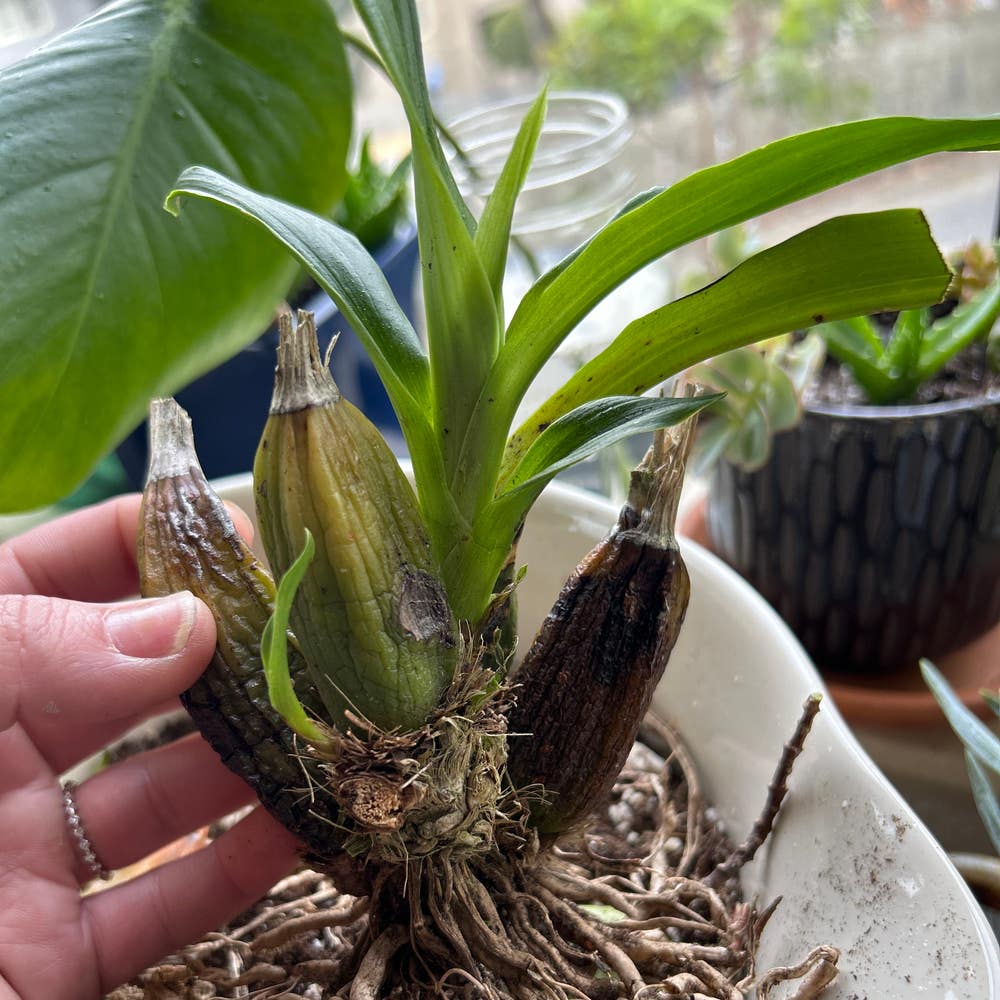
Fungal infections typically present as dark, irregular spots on the leaves. These spots can spread rapidly, often indicating a more serious issue that requires immediate attention.
Bacterial Infections
Bacterial infections manifest as water-soaked spots that may ooze, often accompanied by a foul odor. This type of infection can be particularly damaging and may require more aggressive treatment.
Environmental Causes
Environmental issues often result in uniform browning or spotting on the leaves. These problems usually stem from improper light exposure or watering practices, making them easier to manage with some adjustments.
🔍 How to Inspect Leaves for Pests and Diseases
Regular inspections of your orchid's leaves are essential for early detection of pests and diseases. Here’s how to effectively check for any issues.
Visual Inspection Techniques
Start by looking for common pests such as aphids, mealybugs, and spider mites. Additionally, check for webbing or sticky residue, which can indicate a pest problem.
Tools for Inspection
Using a magnifying glass can help you spot tiny pests that are otherwise hard to see. A clean cloth is also useful for wiping leaves, revealing any hidden pests that may be lurking.
By diagnosing the problem accurately, you can take the necessary steps to restore your desert orchid to health. Next, let’s explore effective treatment options to tackle these issues head-on.
Treatment Options
Step-by-Step Guide to Treating Fungal Infections 🌱
Fungal infections can wreak havoc on your desert orchid. To tackle this issue effectively, start by isolating the affected plant to prevent the spread of the infection.
Next, use sterilized scissors to remove any infected leaves. This step is crucial to halt the fungus from advancing further.
After that, apply an appropriate fungicide according to the label instructions. Be diligent about following the guidelines to ensure the best results.
Finally, monitor your orchid closely for signs of recovery or any further infection. Regular checks will help you catch any issues early.
How to Manage Overwatering and Improve Drainage 💧
Overwatering is a common problem that can lead to brown spots on your orchid. Begin by assessing your current potting mix to ensure it is well-draining.
If the mix isn’t suitable, consider repotting your orchid using a mix specifically designed for orchids. This will provide the right environment for healthy growth.
Adjust your watering schedule as well. Allow the top inch of soil to dry out between waterings to prevent excess moisture from causing root rot.
Remedies for Sunburned Leaves ☀️
Sunburn can also contribute to brown spots on your orchid's leaves. To remedy this, relocate your orchid to a spot with indirect sunlight.
Using sheer curtains can help diffuse harsh sunlight, protecting your plant from intense rays.
Lastly, keep an eye on leaf health and trim any damaged areas if necessary. This will encourage new growth and improve the overall appearance of your orchid.
These treatment options will help you restore your desert orchid to its vibrant self. Next, let’s explore some preventive measures to keep your plant healthy and thriving.
Preventive Measures
🌊 Best Practices for Watering Desert Orchid
Watering your Desert Orchid correctly is crucial for its health. Always use room temperature water to avoid shocking the plant.
Water thoroughly until you see it draining from the bottom of the pot. This ensures the roots receive adequate moisture without becoming waterlogged.
Aim to water every 1-2 weeks, adjusting based on humidity and temperature. In drier conditions, you may need to water more frequently.
☀️ Ideal Light Conditions for Desert Orchid
Providing the right light is essential for your Desert Orchid's growth. It thrives in bright, indirect light for about 6-8 hours daily.
Watch for signs of inadequate light, such as stretching leaves or pale coloration. These indicators suggest your orchid may need a brighter spot to flourish.
By following these preventive measures, you can help your Desert Orchid stay healthy and vibrant. Next, let’s explore some common misconceptions about brown spots and orchid health.
Common Misconceptions
Myths About Brown Spots and Orchid Health 🌱
When it comes to brown spots on your desert orchid, a common misconception is that all of them signal a disease. In reality, some brown spots can simply be a result of environmental stress or the natural aging process of the leaves.
Understanding this distinction is crucial for effective plant care. Not every blemish is a cause for alarm; sometimes, your orchid is just showing its age or reacting to changes in its environment.
Clarification on Brown Spots 🔍
It's essential to observe the context of the brown spots. For instance, if your orchid is thriving otherwise, those spots might not be a significant concern.
On the other hand, if you notice other symptoms like wilting or a decline in overall health, it might be time to investigate further. Always remember, a little knowledge goes a long way in nurturing your plants effectively.
As you continue caring for your desert orchid, keep these insights in mind. They will help you differentiate between normal wear and tear and genuine health issues, ensuring your plant remains vibrant and healthy.
Next, let’s explore some preventive measures to keep your orchid thriving!
⚠️ Safety First
This content is for general information and may contain errors, omissions, or outdated details. It is not medical, veterinary advice, or an endorsement of therapeutic claims.
Always consult a qualified healthcare professional before using any plant as food, medicine, or supplement.
Never eat any plant (or feed one to pets) without confirming its identity with at least two trusted sources.
If you suspect poisoning, call Poison Control (800) 222-1222, the Pet Poison Helpline (800) 213-6680, or your local emergency service immediately.
Spotted an error? Please report it here.
Heal those brown spots and revitalize your desert orchid 🌵 with Greg's tailored care tips and reminders that ensure your plant stays healthy and thriving!