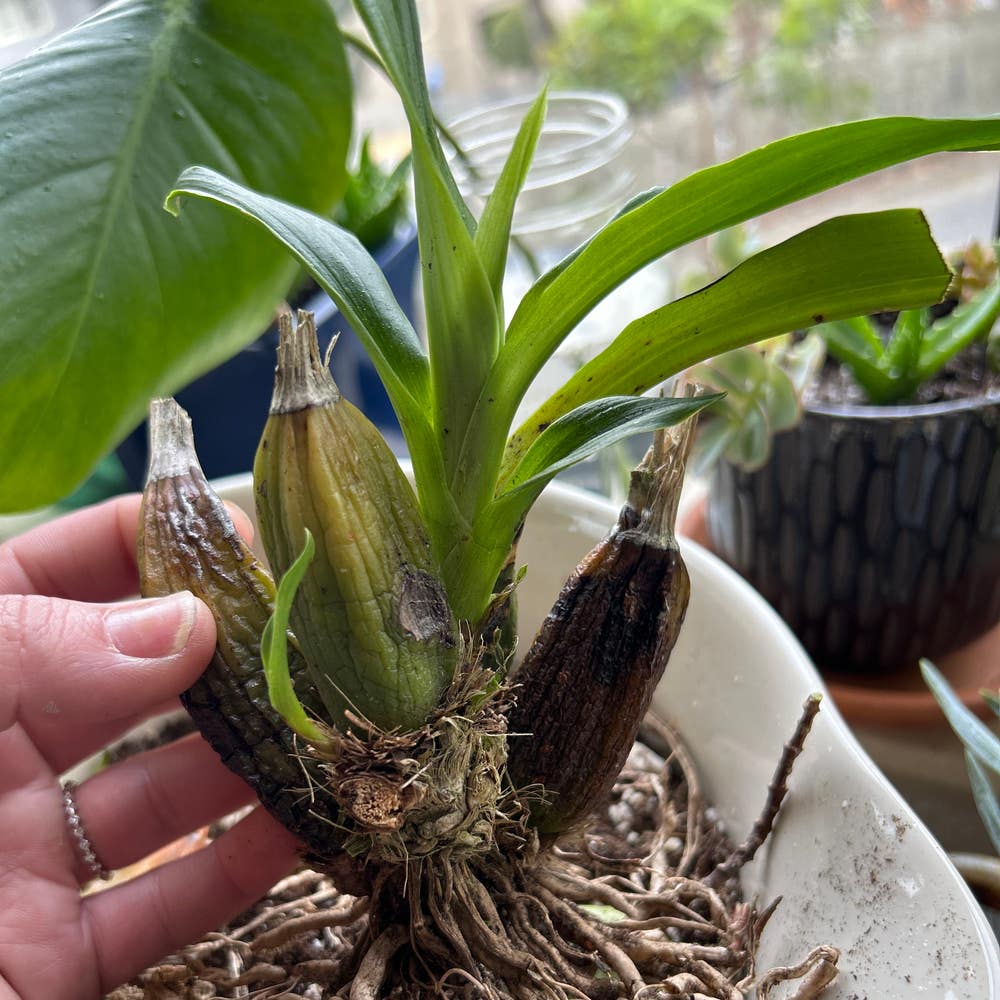
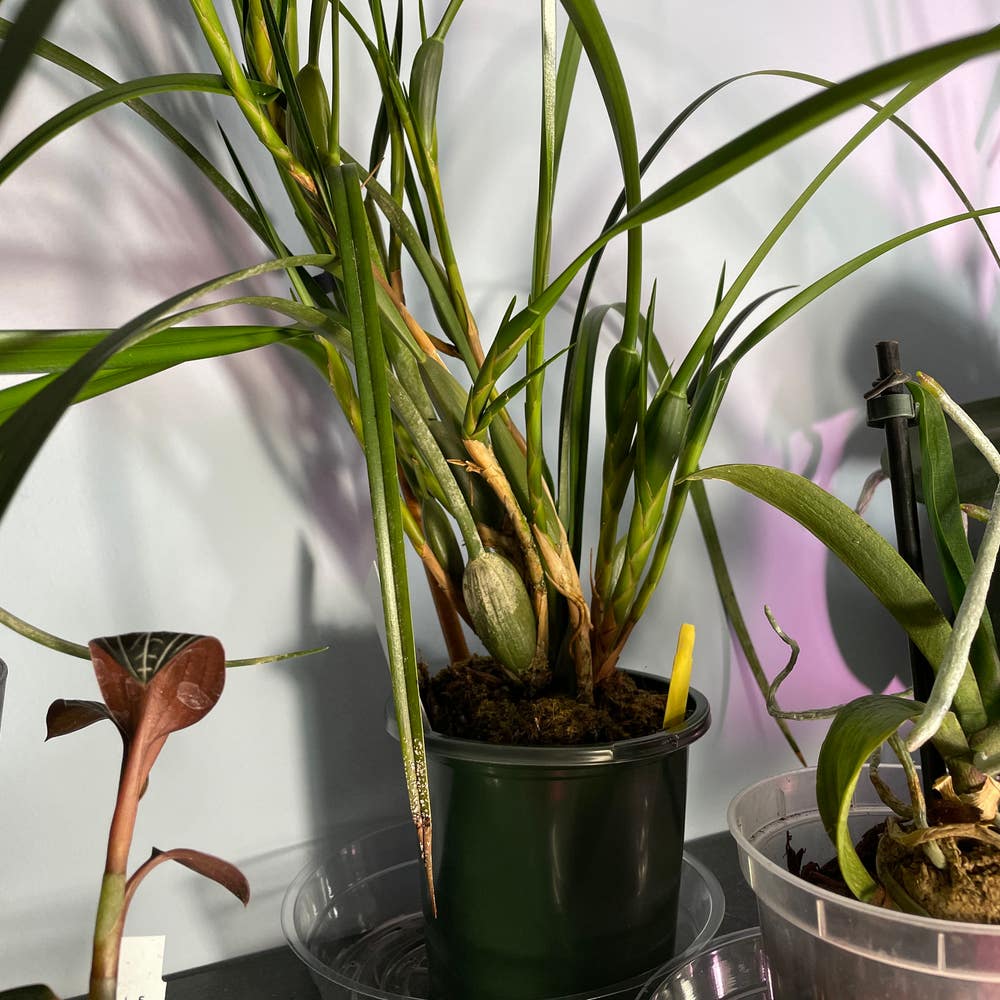
Determining What Might Be Eating Your Desert Orchid 🐛
Eulophia petersii
By the Greg Editorial Team
Jan 07, 2025•6 min read
This article was created with the help of AI so we can cover more plants for you. May contain errors. See one? Report it here.
Safeguard your beautiful desert orchids 🌵 from hungry herbivores while promoting a vibrant garden ecosystem!
- 🌵 Desert orchids attract herbivores like deer, rabbits, and squirrels due to their nutritious parts.
- 🐾 Signs of damage include stripped leaves and gnawed stems; monitor plants regularly.
- 🚫 Effective deterrents include chemical repellents and barriers to protect your orchids.
Description and Appeal
Desert orchids are truly remarkable plants, showcasing unique features that set them apart in the botanical world. Their slender stems and vibrant blooms create a striking visual that captures the attention of both gardeners and wildlife alike.
🌱 Unique Features and Growth Habit
These orchids often exhibit a fascinating growth habit, adapting to their arid surroundings with resilience. Their leaves may be thick and fleshy, designed to conserve moisture, while their flowers can range from delicate to bold, often displaying intricate patterns that attract pollinators.
🐾 Most Appealing Parts to Animals
The allure of desert orchids extends beyond their beauty; animals are particularly drawn to their fruits, flowers, and young shoots. These parts are not only nutritious but also provide a burst of flavor that herbivores find irresistible.
Understanding what makes these plants appealing helps in devising strategies to protect them from potential threats. As we delve deeper into the common herbivores that may target your desert orchid, it’s essential to recognize the delicate balance between nurturing these plants and safeguarding them from hungry visitors.
Common Herbivores
🦌 Deer
Signs and damage
Deer are notorious for their appetite for desert orchids. Look for tracks and signs of browsing, such as stripped leaves and broken stems.
Interaction
These creatures can be generally harmful to your plants, as they tend to consume large amounts of foliage.
Deterrent methods (difficulty: moderate)
To keep deer at bay, consider using both chemical repellents and organic methods like planting deer-resistant species nearby.
🐇 Rabbits
Signs and damage
Rabbits leave behind distinct tracks and often gnaw on stems, making them easy to identify as culprits.
Interaction
Like deer, rabbits are generally harmful, as they can quickly decimate young plants.
Deterrent methods (difficulty: easy)
Chemical repellents work well against rabbits, but you can also use organic solutions like planting strong-smelling herbs to deter them.
🐿️ Squirrels
Signs and damage
Squirrels are mischievous and can cause damage by chewing on leaves and digging around the roots of your orchids.
Interaction
These critters are generally harmful, as their digging can disrupt the plant's root system.
Deterrent methods (difficulty: moderate)
To deter squirrels, you can employ chemical repellents or organic methods, such as using mesh barriers around vulnerable plants.
🐦 Birds
Signs and damage
Birds can be tricky; look for peck marks on flowers and missing blooms to gauge their impact.
Interaction
Their interaction with your orchids is mixed; while some birds may help with pollination, others can cause significant damage.
Deterrent methods (difficulty: easy)
Chemical repellents can deter birds, but you might also consider organic options like reflective tape to scare them away.
🐭 Rodents
Signs and damage
Rodents leave behind tunnels and gnawed roots, indicating their presence and potential harm.
Interaction
These small mammals are generally harmful, as they can severely damage the root system of your orchids.
Deterrent methods (difficulty: moderate)
To manage rodent populations, use chemical repellents or organic methods like traps and natural deterrents.
🦡 Groundhogs
Signs and damage
Groundhogs create burrows and often clip plants at the base, making them easy to spot.
Interaction
These animals are generally harmful, as they can quickly destroy your orchids.
Deterrent methods (difficulty: hard)
Deterring groundhogs can be challenging; chemical repellents may help, but consider using more robust barriers to protect your plants.
Understanding these common herbivores is crucial for the health of your desert orchid. With the right deterrent methods, you can protect your plants and enjoy their beauty for years to come.
Beneficial Animals and Ecosystem Impact
🐝 Description of Beneficial Animals
In the world of desert orchids, not all animals are foes. Pollinators, such as bees and butterflies, play a crucial role in the reproductive cycle of these plants, ensuring they thrive and produce seeds.
Predatory insects, like ladybugs and lacewings, help keep harmful pests in check. Their presence is vital for maintaining a balanced ecosystem around your orchids.
🌍 Positive Impacts
The contributions of these beneficial animals extend beyond mere survival. They enhance biodiversity, creating a richer environment that supports various life forms.
Moreover, improved pollination rates lead to healthier plants and more vibrant blooms. This symbiotic relationship not only benefits the orchids but also fosters a thriving ecosystem that can withstand challenges.
By understanding and appreciating these beneficial creatures, you can cultivate a more resilient garden. Embracing their role encourages a harmonious balance between protection and natural growth.
Strategies for Protection
🛡️ Preventive Measures
To protect your desert orchid, consider using companion plants. These can deter herbivores while enhancing your garden's biodiversity.
Regular monitoring is also crucial. Keep an eye on your plants for any signs of damage or animal activity.
⚠️ Reactive Solutions
If you notice damage, act quickly by removing affected parts. This helps prevent further harm to the plant.
Additionally, barriers can be effective. Fencing or netting can keep larger herbivores at bay.
🌱 Balancing Protection with Ecosystem Health
While protecting your orchids, it's essential to encourage beneficial insects. These pollinators play a vital role in your garden's ecosystem.
Integrated pest management is another key strategy. This approach balances plant protection with the health of the surrounding environment.
By implementing these strategies, you can safeguard your desert orchid while fostering a thriving ecosystem.
Seasonal Considerations
Variations in Animal Attraction 🦙
Understanding the seasonal behavior of herbivores is crucial for protecting your desert orchid. During spring and summer, many animals become more active and are drawn to the lush growth of plants.
This is particularly true for young shoots and flowers, which are often the most appealing parts. As the weather warms, keep an eye out for increased activity from various herbivores.
Timing of Vulnerability ⏳
Young plants are especially vulnerable in early spring and late summer. In early spring, new growth attracts hungry animals eager for fresh foliage.
By late summer, many herbivores are still foraging, and your orchids may be at risk again. Monitoring these times can help you implement protective measures effectively.
Toxicity and Interactions
🐾 Toxic Effects on Animals
Desert orchids can pose mild toxicity to certain herbivores. While not lethal, ingestion may lead to discomfort or digestive issues in animals, deterring them from munching on your precious plants.
🦺 Managing Animal Populations
Understanding the toxicity of desert orchids is crucial for effective plant protection. By recognizing which animals are affected, you can tailor your management strategies to minimize damage while maintaining a healthy ecosystem.
This knowledge empowers you to create a balanced approach, ensuring that your desert orchids thrive amidst the challenges posed by local wildlife.
As we explore further, let’s look at strategies for protecting your orchids from herbivores while fostering beneficial interactions in your garden.
⚠️ Safety First
This content is for general information and may contain errors, omissions, or outdated details. It is not medical, veterinary advice, or an endorsement of therapeutic claims.
Always consult a qualified healthcare professional before using any plant as food, medicine, or supplement.
Never eat any plant (or feed one to pets) without confirming its identity with at least two trusted sources.
If you suspect poisoning, call Poison Control (800) 222-1222, the Pet Poison Helpline (800) 213-6680, or your local emergency service immediately.
Spotted an error? Please report it here.
Keep your desert orchid thriving 🌼 by using Greg's custom reminders and tips to deter herbivores and monitor for damage effectively!