🌸 Desert Orchid: Not an Annual
Eulophia petersii
By the Greg Editorial Team
Jan 07, 2025•5 min read
This article was created with the help of AI so we can cover more plants for you. May contain errors. See one? Report it here.
Unlock the beauty of the resilient Desert Orchid 🌱 and elevate your garden with its stunning blooms and unique lifecycle!
- 🌵 Desert Orchid lives over a decade, thriving through dormancy and multiple flowering cycles.
- 💧 Drought-resistant features allow it to survive arid conditions with efficient water storage.
- 🌱 Seeds remain dormant until ideal conditions arise, maximizing reproductive potential.
Genetic and Physiological Characteristics
🌱 Long-term lifecycle of Desert Orchid
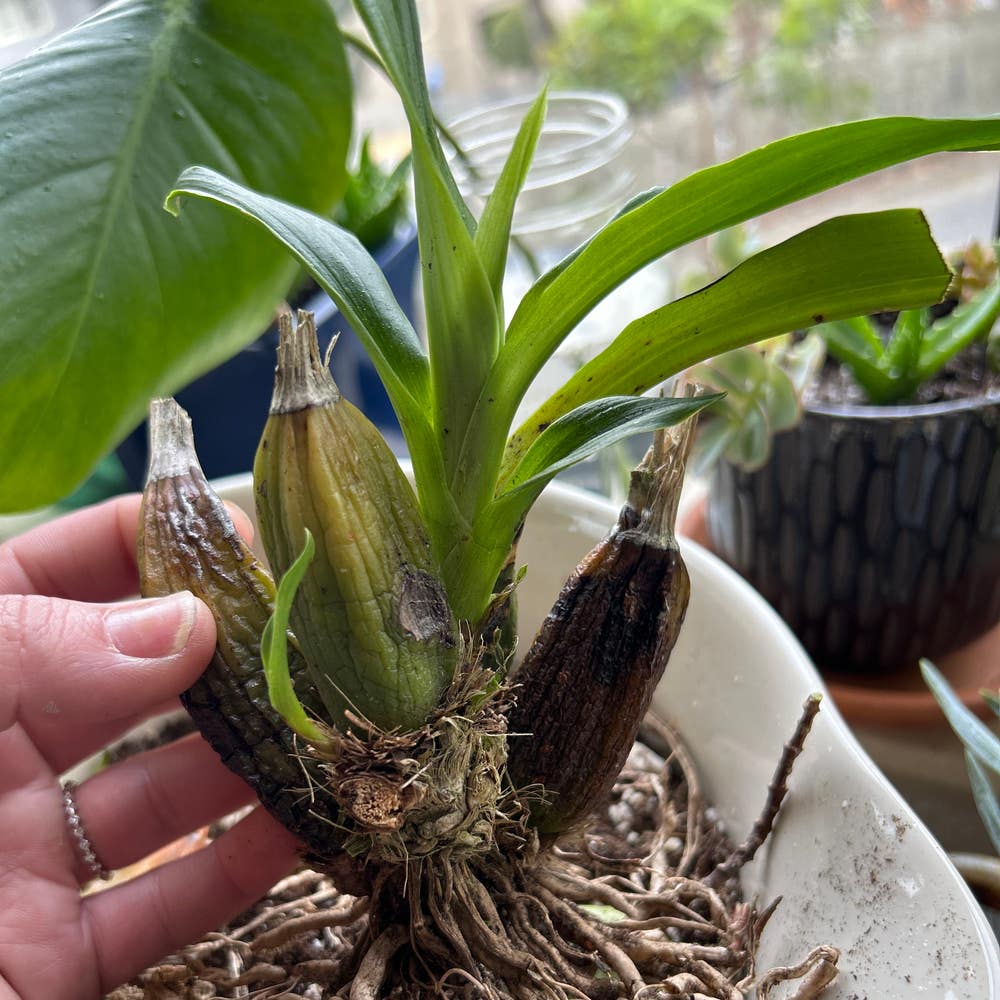
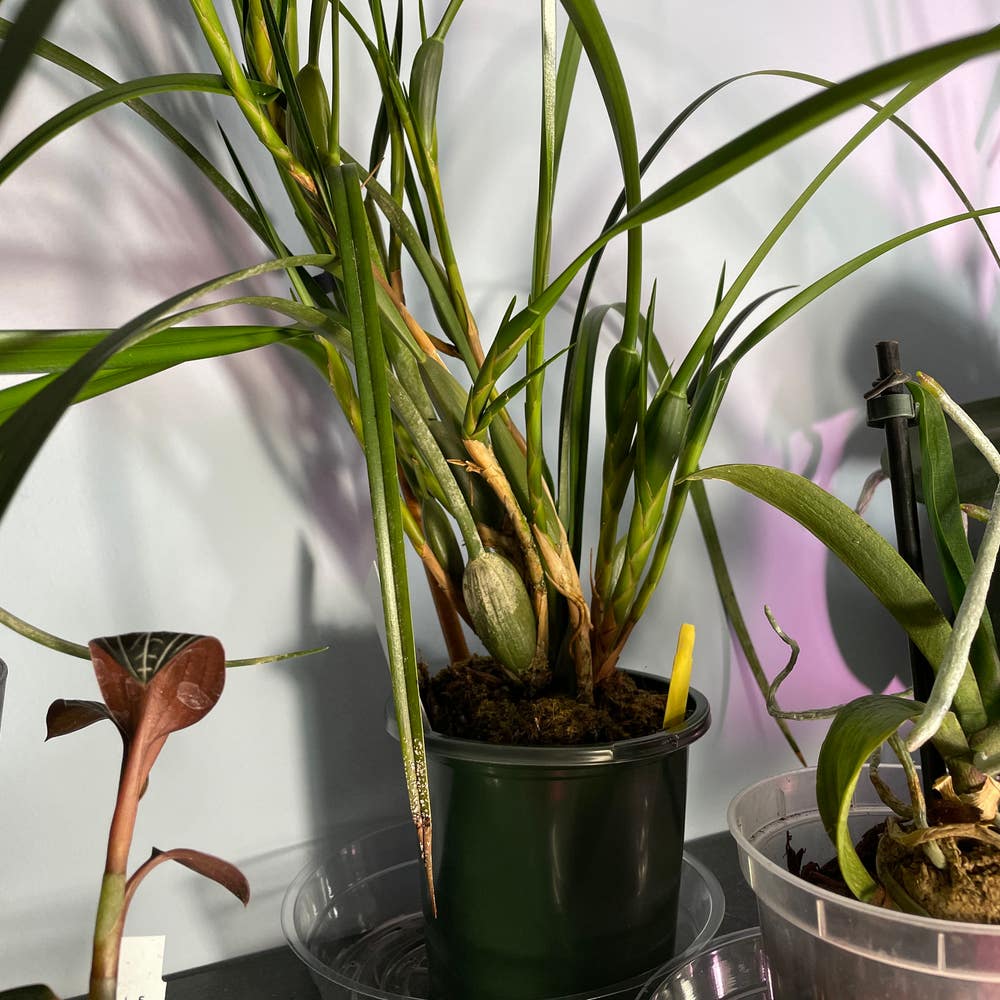
The lifecycle of the Desert Orchid is a fascinating journey that includes four key stages: germination, growth, dormancy, and flowering. This plant can thrive for several years, often living beyond a decade, showcasing its resilience and adaptability.
📈 Growth patterns specific to Desert Orchid
Desert Orchid has developed remarkable adaptations to survive in arid environments. Its drought resistance and efficient water storage mechanisms allow it to endure long dry spells.
Dormant phase
During prolonged dormancy, the plant conserves energy and resources, which is crucial for its survival in harsh conditions. This phase not only protects the plant but also prepares it for future growth when conditions improve.
🌼 Reproductive strategies of Desert Orchid
One of the most intriguing aspects of Desert Orchid is its multiple flowering cycles. Unlike many plants that bloom once a year, the Desert Orchid can flower over several years, ensuring a steady production of seeds.
Pollination strategies
Pollinators play a vital role in the reproductive success of Desert Orchid. Additionally, the plant is capable of self-pollination, which enhances its chances of reproduction even in less favorable conditions.
This unique combination of lifecycle stages, growth patterns, and reproductive strategies makes the Desert Orchid a remarkable perennial. Understanding these characteristics not only highlights its resilience but also sets the stage for exploring its lifecycle implications in the next section.
Lifecycle Implications
🌸 Flowering cycles of Desert Orchid
Desert Orchid exhibits unique flowering cycles that are closely tied to seasonal changes and environmental conditions. Typically, blooms occur in response to specific triggers such as temperature fluctuations and rainfall, allowing this resilient plant to thrive in challenging climates.
Unlike annuals, which complete their life cycle in a single growing season, Desert Orchid can flower multiple times over several years. This extended blooming period not only enhances its visual appeal but also contributes to its overall reproductive success.
🌱 Seed production differences
The seed production process of Desert Orchid is fascinating, as it can produce seeds over multiple years rather than in a single season. This strategy allows the plant to maximize its reproductive potential, ensuring that seeds are available when conditions are favorable for germination.
In terms of viability, Desert Orchid seeds tend to have a longer lifespan compared to those of annual plants. Their ability to remain dormant for extended periods means they can wait for the right environmental cues to sprout, making them well-adapted to their often harsh habitats.
With these insights into flowering and seed production, we can appreciate the resilience and adaptability of Desert Orchid. This understanding sets the stage for exploring how to effectively incorporate this remarkable plant into garden designs.
Variations and Exceptions
🌵 Conditions Where Desert Orchid May Be Mistaken for an Annual
Desert Orchid can easily be misidentified as an annual due to environmental stressors. Drought or extreme temperatures can cause the plant to enter a prolonged dormant phase, leading observers to mistakenly think it has died.
This dormancy is a natural survival mechanism, but it can create confusion. Gardeners may assume that the lack of visible growth means the plant is no longer alive, when in fact, it is simply conserving energy for future growth.
🌍 Regional Differences Affecting Classification
Climate variations play a significant role in how Desert Orchid is perceived. In harsher environments, the plant may exhibit different growth patterns, which can further blur the lines between perennial and annual classifications.
Local gardening practices also influence how Desert Orchid is treated. In some regions, gardeners may mistakenly cultivate it as an annual, unaware of its true perennial nature and long-term potential.
Understanding these variations is crucial for proper care and appreciation of Desert Orchid. Recognizing its resilience can help gardeners make informed decisions about planting and maintenance.
As we move forward, let’s explore how to effectively incorporate Desert Orchid into garden design for maximum impact.
Garden Design and Planning
🌼 Advantages of using Desert Orchid in perennial planting
Incorporating Desert Orchid into your garden design offers significant advantages. Its longevity means you can enjoy its beauty for years, often exceeding a decade, making it a reliable choice for any landscape.
Moreover, Desert Orchid provides seasonal interest with its varied flowering cycles. This plant blooms multiple times throughout the year, ensuring that your garden remains vibrant and engaging across different seasons.
🌿 Strategies for incorporating Desert Orchid into garden design
When planning your garden, consider companion planting with Desert Orchid. Pairing it with drought-resistant plants can enhance both growth and aesthetics, creating a harmonious environment.
Placement and spacing are crucial for optimal growth. Ensure that Desert Orchid has enough room to thrive, allowing for air circulation and sunlight exposure, which are essential for its health and visual appeal.
Management Tips for Longevity
🌱 Best practices for managing Desert Orchid as a perennial
Maintaining the health of Desert Orchid requires a thoughtful approach to watering. During its growth phase, ensure consistent moisture, but be cautious not to overwater, as this can lead to root rot.
In dormancy, reduce watering significantly. This helps mimic natural conditions, allowing the plant to conserve energy and prepare for its next growth cycle.
Soil quality is equally crucial. Desert Orchid thrives in well-draining soil, which prevents water accumulation and promotes healthy root development.
🌼 Tips for maximizing longevity
A proper fertilization schedule can significantly enhance the vitality of your Desert Orchid. Apply a balanced fertilizer during the growing season to provide essential nutrients.
As the seasons change, consider reducing fertilization during dormancy. This allows the plant to rest and rejuvenate for future growth.
Pruning is another key technique for encouraging robust growth. Regularly remove dead or damaged leaves to promote airflow and prevent disease.
Additionally, maintaining a clean garden environment can help minimize pests and diseases, ensuring your Desert Orchid remains vibrant and healthy.
With these management tips, your Desert Orchid can thrive for years, adding beauty and resilience to your garden. Next, let’s explore how to incorporate this stunning plant into your garden design effectively.
⚠️ Safety First
This content is for general information and may contain errors, omissions, or outdated details. It is not medical, veterinary advice, or an endorsement of therapeutic claims.
Always consult a qualified healthcare professional before using any plant as food, medicine, or supplement.
Never eat any plant (or feed one to pets) without confirming its identity with at least two trusted sources.
If you suspect poisoning, call Poison Control (800) 222-1222, the Pet Poison Helpline (800) 213-6680, or your local emergency service immediately.
Spotted an error? Please report it here.
Unlock the enduring beauty of the Desert Orchid 🌼 with Greg's tailored care reminders and expert tips to help your plant flourish through every season!