🌵 When and Where to Prune Your Desert Orchid
Eulophia petersii
By the Greg Editorial Team
Jan 07, 2025•5 min read
This article was created with the help of AI so we can cover more plants for you. May contain errors. See one? Report it here.
Unlock vibrant blooms and robust growth 🌼 by mastering the art of pruning your desert orchid!
- 🌱 Prune your desert orchid late winter to early spring for optimal growth.
- 🌸 Remove spent blooms after flowering to encourage vibrant new growth.
- ✂️ Use clean, sharp tools for effective pruning and to prevent disease.
When to Prune
🌱 Best Seasons
The best time to prune your desert orchid is late winter to early spring, just before new growth begins. This timing ensures that your plant is ready to thrive as the warmer months approach.
Alternatively, consider pruning after flowering. This can encourage new blooms and keep your orchid looking vibrant.
🔍 Signs That Indicate It's Time to Prune
Look for yellowing or wilting leaves, which are clear indicators that your plant may need some attention. Additionally, spent flower spikes or dead blooms signal that it's time to tidy up.
Overcrowded growth can also affect air circulation, making it essential to prune for the health of your orchid.
⏰ Timing Considerations Based on Growth Cycle
Understanding your orchid's growth cycle is crucial. Pruning during active growth can stimulate new development, while doing so in dormancy may hinder progress.
Adjust your pruning schedule based on the specific growth habits of your orchid variety. This tailored approach will help you achieve the best results.
With these guidelines in mind, you're well-equipped to keep your desert orchid healthy and flourishing. Next, let’s explore where to prune for optimal results.
Where to Prune
🌿 Identifying the Right Areas
When pruning your desert orchid, start by focusing on spent blooms and dead leaves. These areas not only detract from the plant's beauty but can also hinder its growth.
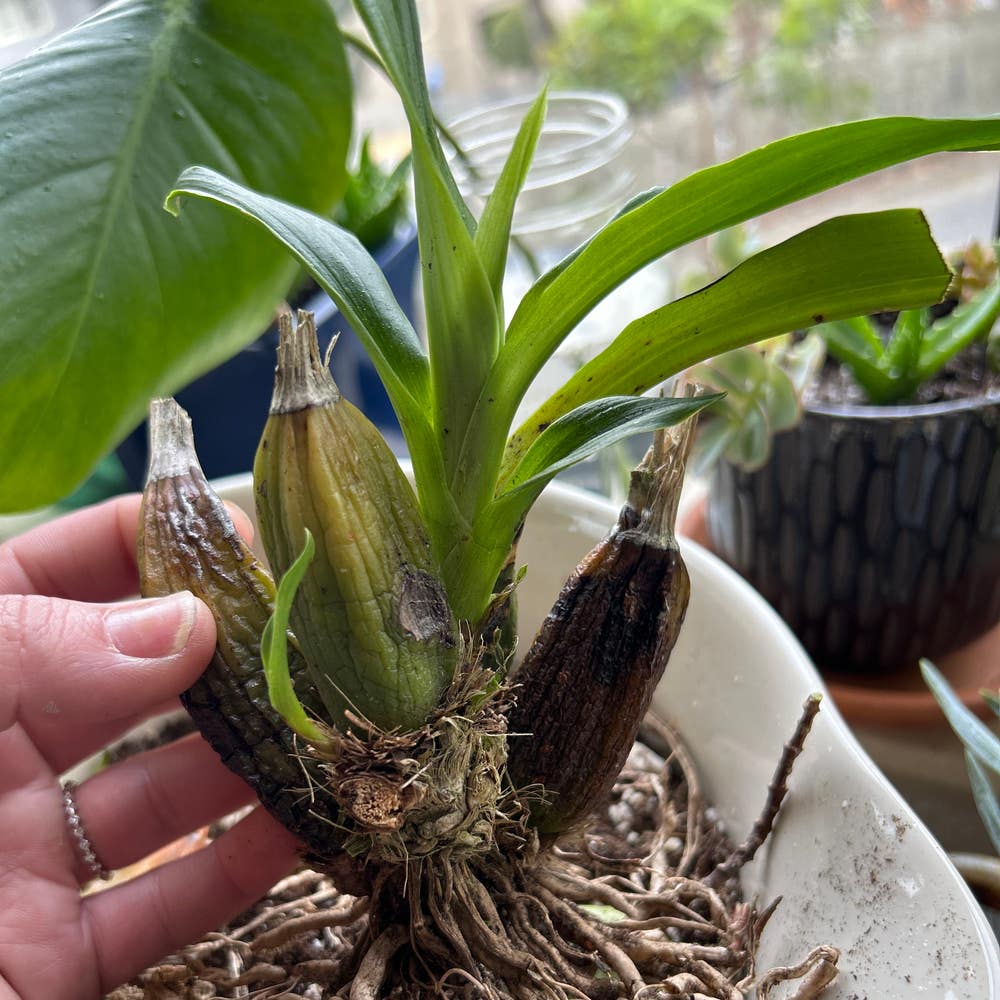
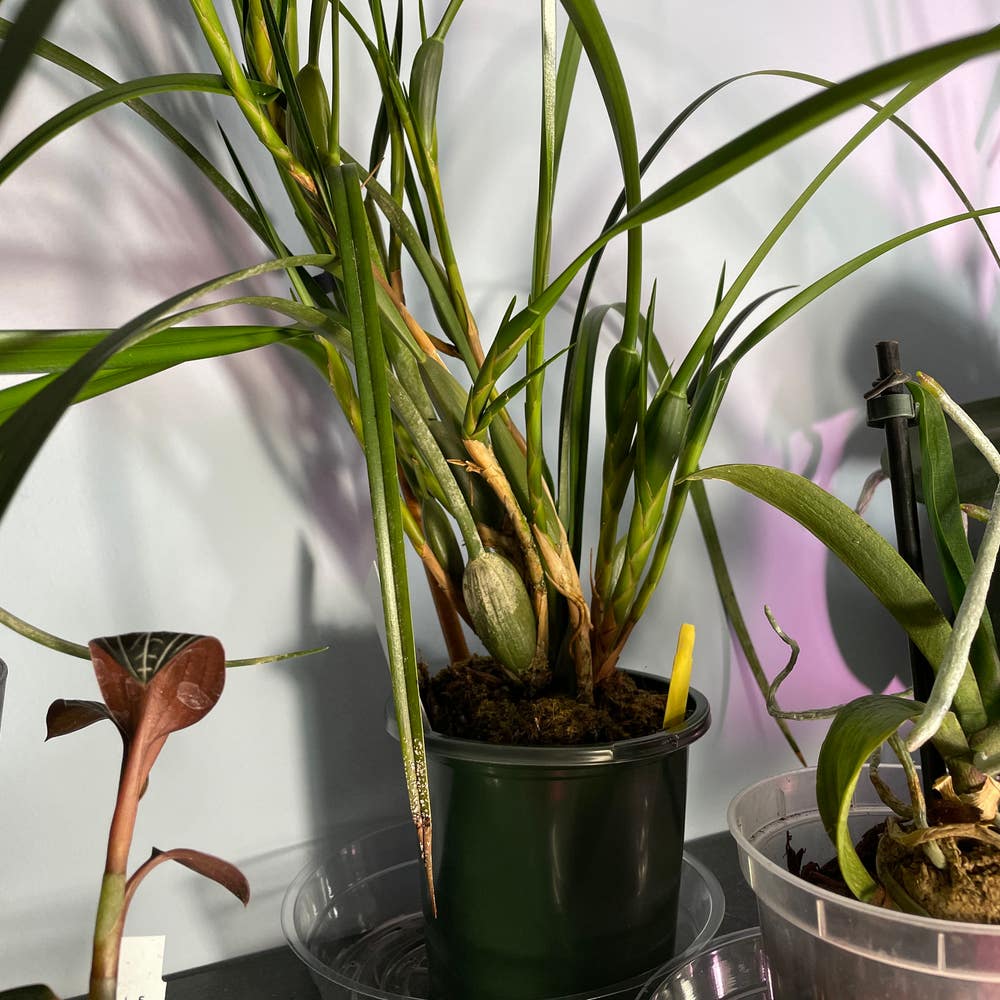
Next, assess the pseudobulbs for health and vigor. Healthy pseudobulbs are crucial for the plant's energy storage and overall vitality.
✂️ Techniques for Cutting Stems and Leaves
Use angled cuts when trimming stems to promote healing. This technique helps prevent water from pooling on the cut surface, reducing the risk of rot.
For damaged leaves, remove them at the base. This not only improves the plant's appearance but also allows for better air circulation.
🛠️ Handling Damaged or Dead Parts
Identifying dead parts is essential. Look for signs of rot or disease, such as mushy textures or discoloration.
When removing these damaged areas, use clean, sharp tools to prevent further injury to the plant. Proper removal techniques are vital to ensure your desert orchid remains healthy and thriving.
In the next section, we will explore the benefits of deadheading and how it can enhance your orchid's growth and flowering potential.
Deadheading
🌼 Benefits and Rationale
Deadheading is the practice of removing spent flowers from your desert orchid. This simple act promotes new growth and encourages more blooms, enhancing the plant's overall appearance.
✂️ Step-by-Step Instructions
- Start by identifying the spent blooms on the flower spike.
- Use sterilized shears to cut the spike just above the next healthy node.
- Dispose of the removed blooms to prevent attracting pests.
⏰ Timing for Deadheading
The best time to deadhead is immediately after flowering. This timing helps to encourage new growth and ensures your orchid remains vibrant.
Consider seasonal variations in flowering when planning your deadheading. Adjust your approach based on how your specific variety blooms throughout the year.
With proper deadheading, you’ll not only enhance the beauty of your desert orchid but also support its health and vitality. Now, let’s explore some common pruning mistakes to avoid.
Common Pruning Mistakes
Mistakes to Avoid 🌪️
Pruning can be a delicate dance, and missteps can lead to serious consequences. One of the most common mistakes is over-pruning, which involves removing too much foliage or pseudobulbs, leaving your desert orchid vulnerable.
Another frequent error is pruning at the wrong time. Timing is crucial; cutting during the wrong phase of the growth cycle can disrupt your plant's natural rhythm and hinder its ability to thrive.
Effects of Improper Pruning 🚫
Improper pruning can have a domino effect on your plant's health. It can increase susceptibility to disease, reduce flowering, and stunt overall growth, leaving your orchid looking less than its best.
Understanding your plant's needs and growth habits is essential. By being mindful of these factors, you can avoid common pitfalls and ensure your desert orchid flourishes beautifully.
Post-Pruning Care
Care Tips After Pruning 🌱
After pruning your desert orchid, adjusting your watering routine is crucial. Depending on the growth stage, you may need to increase or decrease the frequency to keep your plant hydrated without overdoing it.
Light fertilization can also aid recovery. A diluted, balanced fertilizer will support new growth and help your orchid bounce back stronger.
Monitoring Plant Health 👀
Keep an eye out for signs of stress in your plant. Look for wilting, yellowing leaves, or stunted growth, which can indicate that something isn't quite right.
Regular inspections for pests or disease are essential. Early detection can save your orchid from more significant issues down the line.
Signs of Successful Pruning 🌼
Successful pruning will show itself through new growth emerging within a few weeks. You should see healthy, vibrant leaves sprouting, indicating that your plant is thriving.
Additionally, watch for potential new flower spikes forming. This is a clear sign that your pruning efforts have paid off, setting the stage for a beautiful bloom season ahead.
With proper care and attention, your desert orchid will flourish, rewarding you with its stunning beauty.
⚠️ Safety First
This content is for general information and may contain errors, omissions, or outdated details. It is not medical, veterinary advice, or an endorsement of therapeutic claims.
Always consult a qualified healthcare professional before using any plant as food, medicine, or supplement.
Never eat any plant (or feed one to pets) without confirming its identity with at least two trusted sources.
If you suspect poisoning, call Poison Control (800) 222-1222, the Pet Poison Helpline (800) 213-6680, or your local emergency service immediately.
Spotted an error? Please report it here.
Pruning your desert orchid at the right time can lead to stunning blooms, and with Greg's tailored care reminders, you'll be ready to cultivate your orchid's brilliance 🌸 effortlessly!