Step-by-Step Guide to Desert Orchid Flowers
Eulophia petersii
By the Greg Editorial Team
Jan 07, 2025•5 min read
This article was created with the help of AI so we can cover more plants for you. May contain errors. See one? Report it here.
Uncover the Desert Orchid's stunning foliage and resilience, making it a garden favorite over rare blooms! 🌿
- 🌵 Desert Orchids thrive in arid conditions, focusing on foliage over rare blooms.
- 🌼 Flowers bloom in stages, lasting 1-2 weeks, requiring specific care for success.
- 🐝 Self-pollinating yet attractive to pollinators, enhancing their ornamental appeal.
Flowering Status
Clarification on Flowering Status 🌸
Desert Orchid is primarily celebrated for its lush foliage rather than its flowers. While it can produce flowers, this is not its standout feature, and flowering is quite rare, typically occurring only under optimal conditions.
Explanation of Non-Flowering Characteristics 🌿
The adaptations of Desert Orchid to arid environments significantly limit its flowering potential. Its focus on drought resistance and specialized leaf structures enhances its ornamental appeal, making it a favorite among plant enthusiasts.
This unique combination of traits allows the Desert Orchid to thrive in harsh conditions, prioritizing survival over blooming. Understanding these characteristics helps appreciate why this plant is more than just its flowers.
If Desert Orchid Flowers
🌼 Flower Characteristics
Description of Colors and Structure
Desert Orchid flowers are typically found in pale or muted shades, such as white or light yellow. The flowers grow on elongated spikes, arranged in a way that creates a striking visual display.
The average size of the flowers is modest, often measuring around 1 to 2 inches in diameter, while the spikes can reach heights of up to 3 feet. This unique structure adds to the plant's ornamental appeal, even if flowering is rare.
Self-Pollination vs. External Pollination
Desert Orchids are primarily self-pollinating, which means they can produce seeds without the need for external pollinators. However, they may also attract specific pollinators, such as bees and butterflies, which can enhance their reproductive success.
🌸 Blooming Process
Stages of Blooming
The blooming process of Desert Orchids unfolds in three distinct stages: bud formation, opening, and full bloom. Initially, small buds emerge, gradually swelling and changing color as they prepare to open.
As the buds begin to open, the flowers reveal their delicate petals, showcasing their muted colors. Finally, in full bloom, the flowers display their complete structure, creating a captivating sight.
Typical Bloom Time
Desert Orchids typically bloom during the warmer months, with the peak season varying based on the specific variety. Generally, flowers are most likely to appear in late spring to early summer.
Duration from Bud Formation to Full Bloom
From bud formation to full bloom, the average duration is about 4 to 6 weeks. Environmental factors, such as temperature and humidity, can influence this timeline, potentially speeding up or slowing down the blooming process.
Lifespan of Flowers
Once Desert Orchid flowers bloom, they usually last for about 1 to 2 weeks. After this period, the flowers may begin to wilt, changing in appearance as they transition into the post-bloom phase.
🌱 Encouraging Blooms
Tips for Promoting Flowering
To encourage Desert Orchids to bloom, provide optimal conditions that include bright, indirect light and moderate temperatures. Regular watering, ensuring the soil remains slightly moist but not soggy, is also crucial.
Additionally, consider fertilizing with a balanced fertilizer during the growing season to support healthy growth and flowering.
Factors Influencing Flowering
Several environmental factors can influence flowering in Desert Orchids. Soil quality, humidity levels, and temperature play significant roles in the plant's ability to produce flowers.
Care practices, such as proper fertilization and occasional pruning, can also promote flowering by encouraging new growth and maintaining plant health.
🌿 Post-Flowering
What Happens After Flowering
After the flowering period, Desert Orchids typically enter a resting phase. During this time, the plant may require less water and reduced care as it conserves energy for future growth.
Adjusting care practices post-bloom can help the plant recover and prepare for the next growing season.
Discussion on Plant Mortality Post-Bloom
Unlike some plants that die after flowering, Desert Orchids do not perish post-bloom. Instead, they continue their life cycle, focusing on foliage growth and preparing for future flowering opportunities.
🐝 Pollination Methods
Description of Pollination Methods
Pollination in Desert Orchids primarily occurs through self-pollination, but external pollinators can enhance seed production. Hand pollination techniques may be employed if gardeners wish to ensure successful reproduction, especially in controlled environments.
Understanding these methods can help enthusiasts maximize the plant's reproductive potential while enjoying its unique beauty.
If Desert Orchid Doesn't Flower
🌿 Primary Ornamental or Functional Features
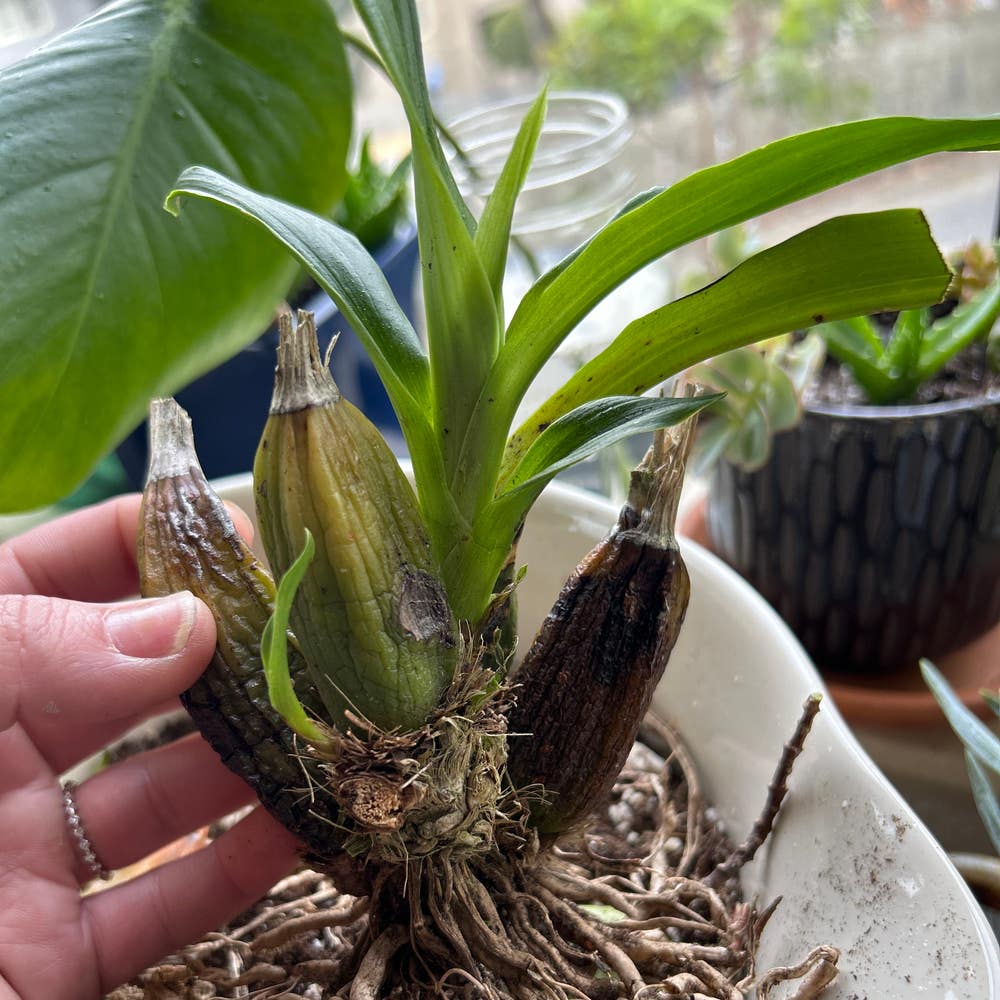
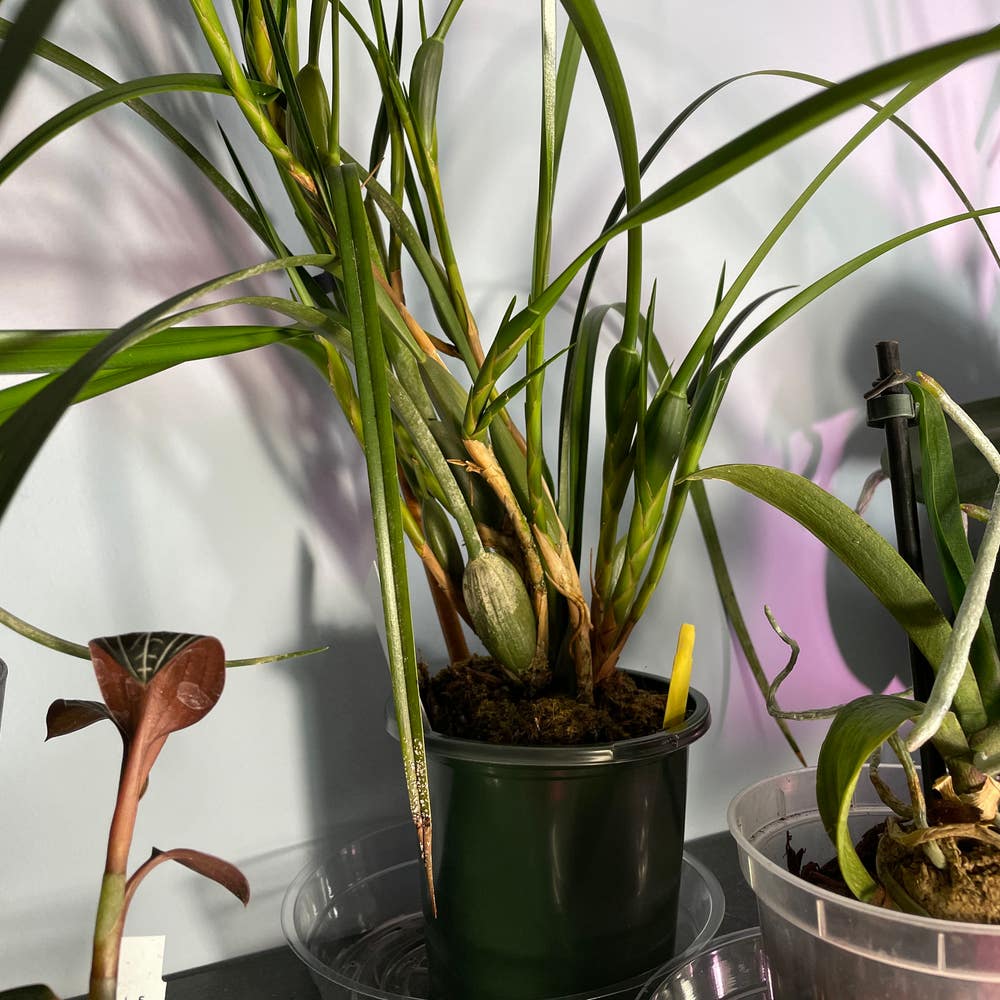
The Desert Orchid captivates with its striking foliage, which boasts rich green leaves that can be both broad and textured. These unique adaptations not only enhance its ornamental appeal but also allow it to thrive in arid environments.
In landscaping, the Desert Orchid serves as a stunning focal point or a lush backdrop. Its drought-resistant qualities make it an excellent choice for xeriscaping, providing beauty without the need for excessive water.
🌱 Reproductive Strategies Without Flowers
While the Desert Orchid may not frequently produce flowers, it has developed fascinating reproductive strategies. One primary method is vegetative propagation, where the plant can produce new growth from its roots or stems.
This ability allows the Desert Orchid to spread and thrive even in challenging conditions. By relying on these methods, the plant ensures its survival and continues to beautify its surroundings, even without the allure of blooming flowers.
Unique Aspects
🌼 Unusual Characteristics Related to Flowering or Non-Flowering Nature
Desert Orchids are fascinating for their unique adaptations that set them apart from typical flowering plants. Primarily, they are cultivated for their striking foliage, which boasts intricate patterns and vibrant colors, making them a standout in any garden.
Their flowering behavior is quite rare, as these plants have evolved to thrive in harsh desert conditions. This adaptation means that flowering is not a priority; instead, the plant focuses on conserving water and energy, which limits its blooming potential.
🤔 Interesting Facts or Trivia About Desert Orchid's Reproductive Strategy
Did you know that Desert Orchids can reproduce without flowers? They often rely on vegetative propagation, allowing them to spread through underground rhizomes, ensuring survival in arid environments.
Culturally, Desert Orchids have been appreciated not just for their beauty but also for their resilience. Historically, they have been used in landscaping to create stunning xeriscapes, showcasing how beauty can flourish even in the most challenging conditions. This duality of ornamental appeal and survival strategy makes the Desert Orchid a remarkable plant in the botanical world.
⚠️ Safety First
This content is for general information and may contain errors, omissions, or outdated details. It is not medical, veterinary advice, or an endorsement of therapeutic claims.
Always consult a qualified healthcare professional before using any plant as food, medicine, or supplement.
Never eat any plant (or feed one to pets) without confirming its identity with at least two trusted sources.
If you suspect poisoning, call Poison Control (800) 222-1222, the Pet Poison Helpline (800) 213-6680, or your local emergency service immediately.
Spotted an error? Please report it here.
Desert Orchids may bloom rarely, but with Greg's custom care tips and watering reminders, you can ensure your plant thrives beautifully in any environment! 🌵