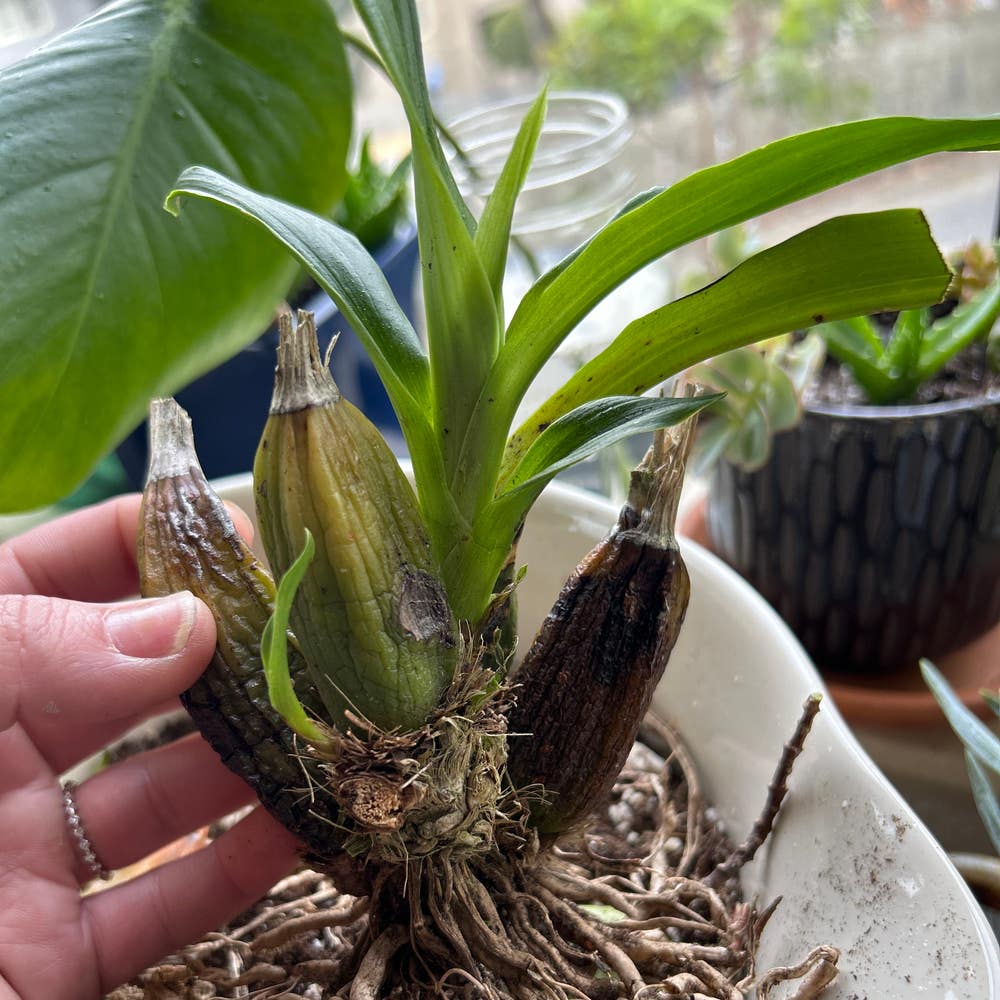
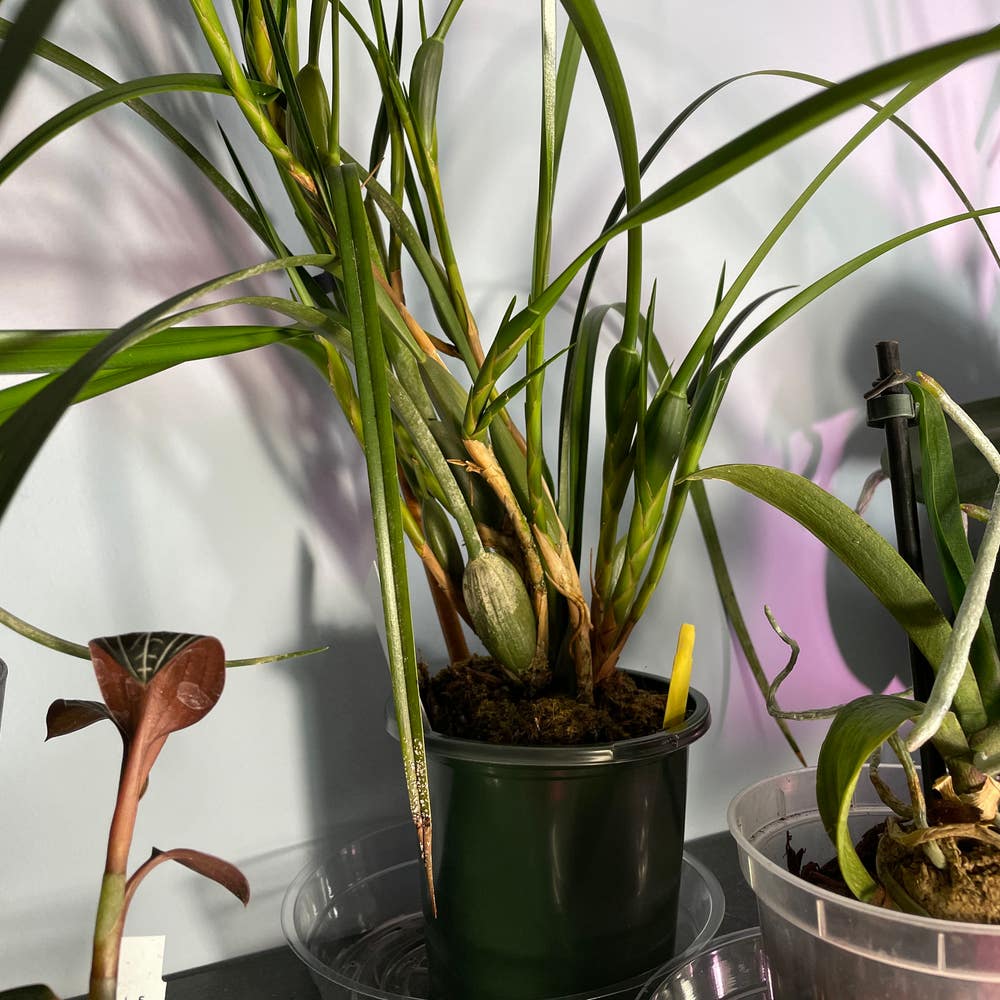
🌵 Desert Orchid Is a Perennial
Eulophia petersii
By the Greg Editorial Team
Jan 07, 2025•4 min read
This article was created with the help of AI so we can cover more plants for you. May contain errors. See one? Report it here.
Transform your garden with the resilient Desert Orchid, a perennial that thrives year after year! 🌱
- 🌼 Desert Orchid is a perennial, thriving for years and reducing replanting efforts.
- 🌱 Robust root systems enhance drought resistance and support regrowth in various climates.
- 🌞 Seasonal growth cycles dictate blooming times, ensuring stunning displays throughout the year.
Characteristics of Desert Orchid as a Perennial
🌱 Multi-Year Lifecycle
Desert Orchid thrives through multiple seasons, showcasing its resilience as a perennial plant. Unlike annuals that complete their life cycle in one year or biennials that take two, Desert Orchid returns year after year, adapting to its environment.
This multi-year lifecycle allows it to conserve energy and resources, making it a reliable choice for gardeners. Its ability to survive harsh conditions sets it apart from shorter-lived plants, ensuring a vibrant display over time.
🌿 Growth Patterns and Regrowth
The initial growth phase of Desert Orchid is crucial for establishing a strong foundation. During this period, it develops a robust root system that supports future growth.
As seasons change, Desert Orchid exhibits distinct growth cycles. These cycles are significant as they dictate when the plant will bloom and how it conserves energy during less favorable conditions.
One of the remarkable features of Desert Orchid is its mechanism of regrowth from established roots. When the growing season returns, it can quickly sprout anew, drawing on the nutrients stored in its roots to flourish once again.
This ability to regenerate not only enhances its survival but also contributes to the overall health of the garden ecosystem. Understanding these growth patterns can help gardeners appreciate the unique qualities of Desert Orchid and its role in perennial gardening.
Impact of Perennial Nature
Effects on Flowering and Lifespan 🌸
Desert Orchid's perennial nature means it blooms at specific times throughout the year. Typically, these flowers appear in cycles, allowing for a stunning display that can last for weeks.
The lifespan of Desert Orchid can vary, but many thrive for several years. Factors such as soil quality, water availability, and climate conditions significantly influence their longevity.
Advantages for Gardeners 🌱
For gardeners, the perennial nature of Desert Orchid offers substantial benefits. One major advantage is the reduced need for replanting each year, saving both time and money.
Additionally, established root systems enhance drought resistance. This resilience allows Desert Orchid to thrive even in challenging conditions, making it a smart choice for sustainable gardening.
Transitioning to the next topic, understanding dormancy and seasonal changes is crucial for maximizing the health and beauty of your Desert Orchid.
Dormancy and Seasonal Changes
🌱 Description of Dormancy
Dormancy in Desert Orchid is a fascinating survival strategy. During this period, the plant conserves energy and resources, allowing it to withstand harsh conditions.
Adaptations during dormancy include a slowdown in metabolic processes. This enables the Desert Orchid to survive periods of extreme heat or drought, ensuring it can thrive when conditions improve.
🌼 Seasonal Changes in Growth
Desert Orchid exhibits distinct seasonal growth patterns that directly impact its health. In spring, it bursts into life, showcasing vibrant blooms and lush foliage.
As temperatures rise in summer, growth may slow, but the plant remains resilient. This seasonal rhythm not only supports its lifecycle but also enhances its ability to adapt to changing environments.
Understanding these patterns helps gardeners appreciate the unique needs of Desert Orchid throughout the year. By recognizing its dormancy and growth cycles, you can better support its health and longevity.
Variations Across Climate Zones
🌍 Differences in Behavior in Various Climates
Desert Orchid exhibits remarkable adaptability, thriving in both arid and temperate regions. In arid climates, it develops deep root systems to access water, allowing it to survive prolonged dry spells.
Conversely, in temperate zones, Desert Orchid benefits from more consistent moisture and milder temperatures. This leads to a more robust growth pattern, with lush foliage and vibrant blooms.
Humidity and temperature significantly influence its growth patterns. High humidity can promote faster growth, while extreme heat may slow down its development, requiring careful monitoring.
🌱 Tips for Garden Planning
Incorporating Desert Orchid into your garden design can be a rewarding endeavor. Start by assessing your local climate to determine the best planting strategies.
For arid regions, consider grouping Desert Orchids with other drought-resistant plants. This creates a cohesive look while maximizing water efficiency.
In temperate areas, ensure adequate spacing to allow for air circulation. This helps prevent fungal diseases and promotes healthy growth.
Long-term cultivation practices are essential for maximizing benefits. Regularly check soil moisture and adjust watering schedules according to seasonal changes.
By understanding its climate preferences, you can create a thriving environment for Desert Orchid, enhancing your garden's beauty and resilience.
⚠️ Safety First
This content is for general information and may contain errors, omissions, or outdated details. It is not medical, veterinary advice, or an endorsement of therapeutic claims.
Always consult a qualified healthcare professional before using any plant as food, medicine, or supplement.
Never eat any plant (or feed one to pets) without confirming its identity with at least two trusted sources.
If you suspect poisoning, call Poison Control (800) 222-1222, the Pet Poison Helpline (800) 213-6680, or your local emergency service immediately.
Spotted an error? Please report it here.
Cultivate a thriving garden 🌼 with the resilient Desert Orchid by using Greg's tailored care reminders to keep your perennial beauty blooming year after year!