☀️ Ultimate Guide to Light Requirements for Desert Orchid
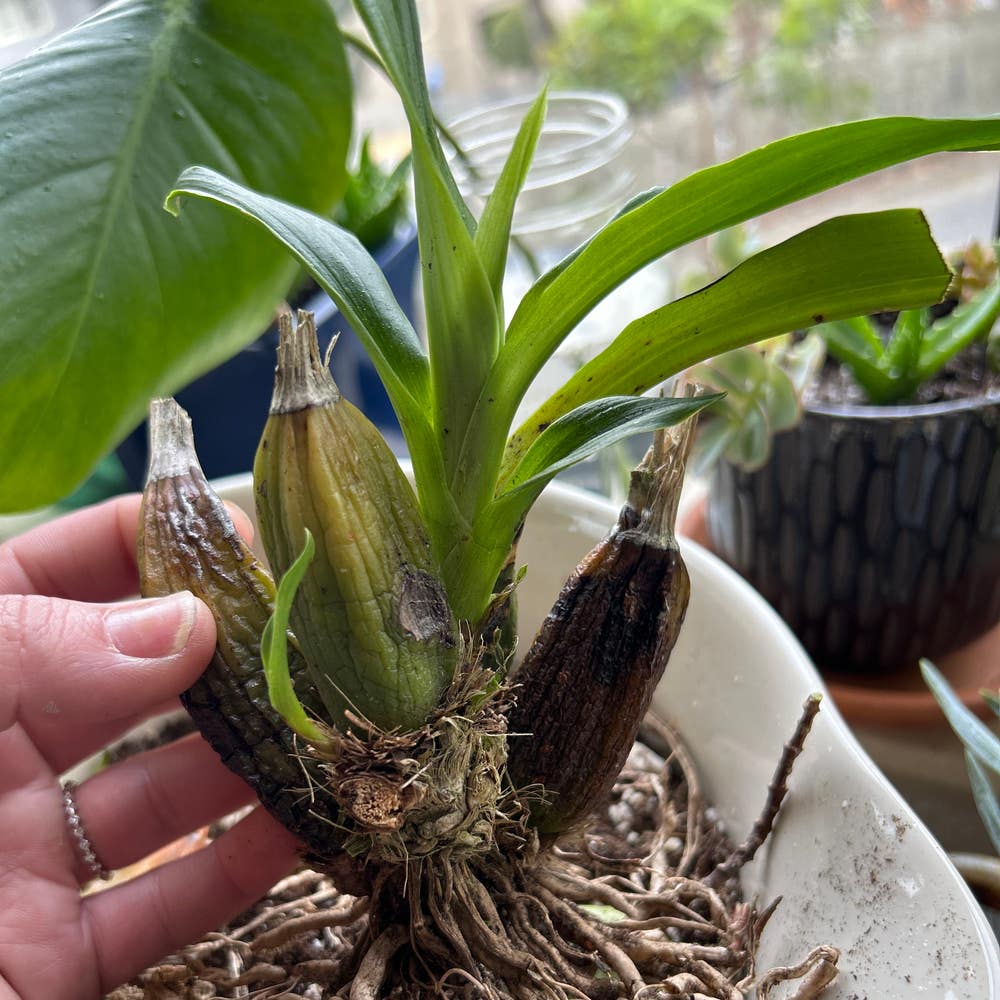
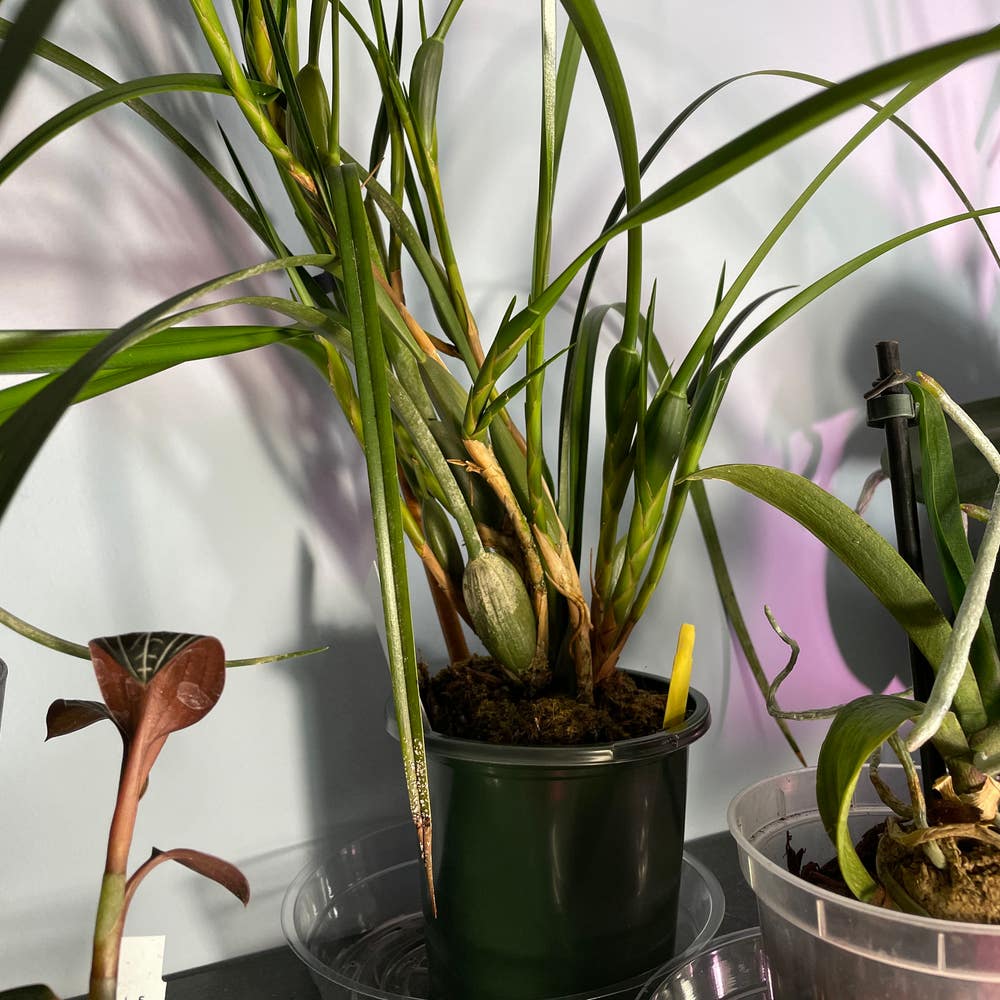
Eulophia petersii
By the Greg Editorial Team
Jan 07, 2025•6 min read
This article was created with the help of AI so we can cover more plants for you. May contain errors. See one? Report it here.
Master your desert orchids' light needs 🌞 for vibrant growth and stunning blooms all year round!
- 🌞 Desert orchids need 12-14 hours of bright, indirect sunlight for optimal growth.
- 🌿 Avoid direct midday sun to prevent leaf burn and ensure healthy plants.
- 💡 Use LED or fluorescent grow lights to supplement natural light indoors.
Importance of Light for Growth and Health
🌱 Role of Light in Plant Development
Light is the lifeblood of plants, driving the process of photosynthesis. This essential function converts light energy into chemical energy, fueling growth and vitality.
Desert orchids, being epiphytic, have adapted to thrive in their natural habitats by efficiently utilizing available light. Their unique growth habits allow them to capture sunlight even in challenging environments.
☀️ Types of Light
Natural light is the most beneficial for orchids, providing the full spectrum of energy they need. Sunlight exposure helps mimic their native conditions, promoting robust growth and vibrant blooms.
However, there are times when artificial light becomes necessary. Grow lights can supplement natural light, especially in indoor settings or during darker months, ensuring your orchids receive adequate illumination.
💡 Light Intensity and Duration
For optimal growth, desert orchids prefer bright, indirect sunlight. This type of light prevents leaf burn while still delivering the energy needed for photosynthesis.
In terms of duration, aim for 12 to 14 hours of light exposure daily. This consistent light schedule supports healthy growth and encourages flowering, keeping your orchids thriving throughout the year.
As you consider your orchids' light needs, remember that the right balance of intensity and duration is key to their overall health and happiness.
Indoor Light Guidance
Best Locations for Indoor Placement 🌞
Finding the right spot for your desert orchid is crucial. Position it near east or west-facing windows to maximize light exposure without overwhelming the plant.
Avoid placing your orchid in direct midday sun. This can lead to leaf burn, which is detrimental to its health.
Use of Grow Lights 💡
Types of Grow Lights
When natural light isn't enough, grow lights become your best friend. LED grow lights are energy-efficient and offer an adjustable spectrum, making them ideal for orchids.
Fluorescent lights also serve as good supplemental lighting. They provide a broad spectrum of light that can support your plant's growth.
Benefits of Grow Lights
Grow lights ensure consistent light exposure, which is essential for maintaining optimal growth year-round. They allow you to control light intensity and duration, tailoring conditions to meet your orchid's specific needs.
Adjusting Light Exposure Based on Seasons 🍂
As seasons change, so should your orchid's light exposure. You may need to modify placement or adjust grow light settings during the winter months when natural light is scarce.
Monitoring light levels is key. Using a light meter can help ensure your orchid receives adequate exposure, keeping it healthy and thriving.
This attention to light conditions will set the stage for your orchid's success, leading us to explore outdoor light guidance next.
Outdoor Light Guidance
Ideal Outdoor Conditions 🌞
For your desert orchid to thrive outdoors, it needs bright, indirect sunlight for about 4-6 hours each day. This exposure allows the plant to photosynthesize effectively without the risk of sunburn.
Morning sun is particularly beneficial. It provides gentle light that energizes the plant while avoiding the harsh rays of the afternoon sun, which can be damaging.
Sunlight vs. Shade 🌤️
Finding the right balance between sunlight and shade is crucial for your orchid's health. While these plants love light, they also need protection from intense midday sun.
Partial shade is often the best solution. It helps prevent leaf scorch while still allowing enough light for growth.
Seasonal Changes and Their Impact 🍂
As the seasons change, so should your orchid's placement. Moving pots or containers to adapt to varying light conditions ensures your plant receives optimal exposure throughout the year.
Keep an eye on your orchid's growth. Observing how it responds to changing light levels can guide you in making necessary adjustments for its continued health.
With the right outdoor light conditions, your desert orchid will flourish and reward you with stunning blooms.
Light and Flowering
🌼 Role of Light in the Flowering Process
Light plays a crucial role in stimulating the blooming of desert orchids. Adequate light conditions are essential for triggering the flowering process, making it a key factor in your plant's health and vitality.
The flowering season for these orchids typically occurs in spring. During this time, specific light conditions become even more important to ensure a vibrant display of blooms.
☀️ Specific Light Conditions for Blooming
To promote flower development, desert orchids thrive in bright, indirect light. This type of light mimics their natural habitat, allowing them to flourish and produce stunning flowers.
Timing is also critical when it comes to light exposure. Consistent light duration leading up to the flowering season helps set the stage for a spectacular bloom, ensuring your orchids are ready to impress.
As you prepare for the flowering season, keep these light conditions in mind. Your attention to their light needs will reward you with beautiful blossoms that brighten your space.
With this knowledge, you're well-equipped to nurture your orchids through their blooming phase. Next, let’s explore common light-related issues that can affect your plant's health.
Common Light-Related Issues
🌱 Signs of Insufficient Light
Insufficient light can lead to several telltale signs in your desert orchid. Look for stretched growth, pale leaves, and a noticeable reduction in flowering.
To remedy this, consider adjusting the plant's placement to a brighter location or increasing the use of grow lights. These changes can help your orchid thrive and regain its vibrancy.
☀️ Signs of Too Much Light
Conversely, too much light can be just as detrimental. Symptoms include leaf burn, yellowing foliage, and crispy edges that signal distress.
If you notice these signs, providing shade or relocating your plant to a less intense light area can help restore its health. Finding the right balance is key to keeping your orchid happy.
🔧 Solutions for Light-Related Problems
Regular monitoring of your plant's health is essential for addressing light-related issues. Keep an eye on how your orchid responds to its environment and adjust light conditions as needed.
Additionally, utilizing reflective surfaces can enhance light distribution without increasing intensity. This technique can create a more favorable growing environment for your desert orchid, ensuring it receives just the right amount of light.
With these insights, you can confidently tackle any light-related challenges your orchid may face. Next, let’s explore how light impacts the flowering process.
⚠️ Safety First
This content is for general information and may contain errors, omissions, or outdated details. It is not medical, veterinary advice, or an endorsement of therapeutic claims.
Always consult a qualified healthcare professional before using any plant as food, medicine, or supplement.
Never eat any plant (or feed one to pets) without confirming its identity with at least two trusted sources.
If you suspect poisoning, call Poison Control (800) 222-1222, the Pet Poison Helpline (800) 213-6680, or your local emergency service immediately.
Spotted an error? Please report it here.
Ensure your desert orchids receive the ideal light exposure 🌞 with Greg's tailored reminders and tips, helping them thrive and bloom beautifully all year round!