🌸 Step-by-Step Guide to Treating Root Rot in Desert Orchid
Eulophia petersii
By the Greg Editorial Team
Jan 07, 2025•5 min read
This article was created with the help of AI so we can cover more plants for you. May contain errors. See one? Report it here.
Rescue your Desert Orchid from root rot with these quick tips for early detection and recovery! 🌿
- 🌱 Identify root rot early by checking for yellowing or wilting leaves.
- 🔍 Inspect roots closely; healthy ones are firm and white, while rotten ones are soft and dark.
- 💧 Use well-draining potting mix and adjust watering to prevent future root rot.
Identifying Root Rot Symptoms
Visual signs of root rot 🌱
Recognizing root rot early can save your Desert Orchid. Look for yellowing leaves, which indicate stress and potential root issues.
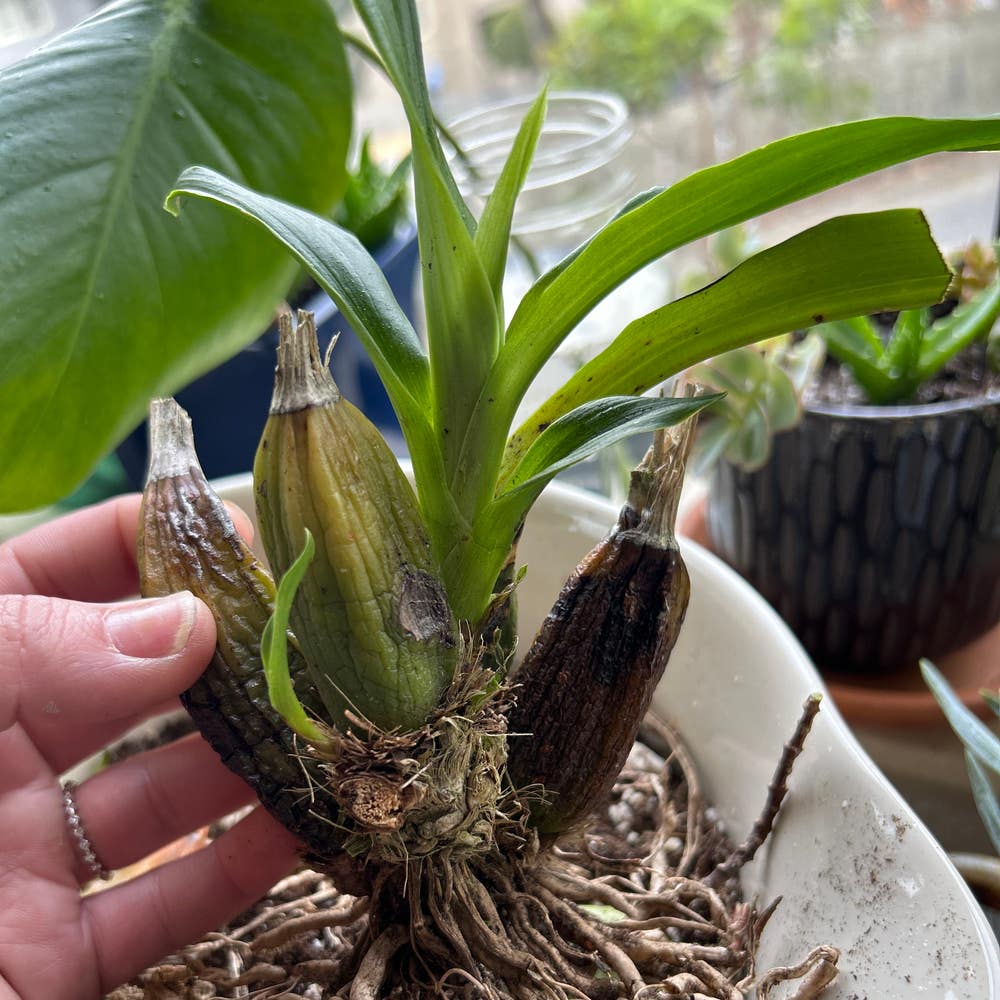
Wilting or drooping leaves are another red flag, signaling that the plant is struggling to take up water due to root damage. Lastly, blackened or mushy roots are clear indicators of rot that should not be ignored.
How to check for root rot 🔍
To check for root rot, start by gently removing the orchid from its pot. This allows you to inspect the roots closely for color, texture, and firmness.
Next, identify healthy roots. Firm, white or green roots are signs of vitality, while soft, brown or black roots indicate decay.
Distinguishing root rot from other issues ⚠️
It's essential to differentiate root rot from other problems. Overwatering can cause symptoms similar to root rot but may not involve actual root decay.
Pests can also mimic these signs, so look for webbing or visible insects that require a different treatment approach. Additionally, nutrient deficiencies can cause yellowing leaves, but this is due to a lack of nutrients rather than root health.
Understanding these symptoms will help you take the right steps to revive your Desert Orchid. Now that you can identify root rot, let’s move on to the treatment process.
Step-by-Step Treatment for Root Rot
🕵️♂️ Initial Assessment and Diagnosis
Before diving into treatment, it's crucial to evaluate the overall health of your Desert Orchid. Check the leaves, stems, and roots for any signs of distress.
Next, determine the severity of the root rot. Understanding whether the issue is mild or severe will guide your approach to treatment.
🪴 How to Safely Remove the Plant from Its Pot
- Prepare Workspace: Start by cleaning your tools and having a sterile potting mix ready for repotting.
- Gently Loosen the Potting Medium: Carefully work around the edges to avoid damaging the roots.
- Carefully Lift the Plant: Support the base of the plant as you lift it out to prevent any breakage.
✂️ Cleaning and Trimming Affected Roots
- Rinse Roots Under Lukewarm Water: This helps remove the old potting mix and gives you a clear view of the roots.
- Trim Away Rotten Roots: Use sterilized scissors to cut back to healthy tissue, ensuring you remove all signs of rot.
- Disinfect Tools: After trimming, disinfect your tools to prevent spreading any pathogens.
🌱 Choosing the Right Potting Mix for Recovery
Opt for a well-draining orchid mix, such as bark-based or sphagnum moss options. Avoid heavy soils that can suffocate the roots and hinder their recovery.
🪣 Repotting Techniques
- Select an Appropriate Pot: Ensure it has adequate drainage holes to prevent water accumulation.
- Position the Plant: Center the plant in the pot, spreading the roots out gently.
- Fill with Potting Mix: Carefully pack the mix around the roots without compacting it, allowing for air pockets essential for root respiration.
With these steps, your Desert Orchid will be on its way to recovery. Next, let's explore how to prevent future root rot and maintain your plant's health.
Preventing Future Root Rot
Best Watering Practices 🌊
To keep your Desert Orchid thriving, establish a consistent watering schedule. Allow the top inch of the potting mix to dry out between waterings to prevent excess moisture.
Utilize the soak and drain technique for thorough hydration. This method ensures that water reaches the roots without leaving them sitting in soggy soil.
Importance of Drainage in Pots 🕳️
Proper drainage is crucial for preventing root rot. Always choose pots with adequate drainage holes to avoid water accumulation at the bottom.
Consider using clay pots, as they provide better moisture regulation. This helps maintain a balance between hydration and air circulation for the roots.
Recommended Potting Materials and Mixes 🌱
Select a potting mix specifically designed for orchids. A blend that includes bark, perlite, and charcoal promotes healthy root growth and drainage.
Avoid using garden soil, as it is too dense and retains moisture. This can lead to root rot and other complications for your orchid.
Seasonal Care Adjustments to Prevent Root Rot 🍂
Adjust your watering frequency according to the seasons. In winter, your Desert Orchid will need less water, so be mindful of its reduced needs.
Monitor humidity levels in your environment. Using a hygrometer can help you maintain optimal conditions, ensuring your orchid remains healthy and vibrant.
By following these preventive measures, you can significantly reduce the risk of root rot and keep your Desert Orchid flourishing. Next, let’s explore how to monitor and maintain your plant’s health effectively.
Monitoring and Maintenance
Regular checks for root health 🌱
To keep your Desert Orchid thriving, schedule inspections every 4-6 weeks. During these checks, look for signs of distress, such as yellowing leaves or wilting, which can indicate underlying issues.
Signs of recovery after treatment 🌿
After addressing root rot, watch for new root growth. Healthy, firm roots emerging from the base of the plant signal that recovery is underway.
Leaf health 🍃
In addition to root growth, monitor the leaves. A return to vibrant green color is a positive sign that your orchid is regaining its strength.
Long-term care tips to maintain root health 🏵️
Maintaining proper orchid care is crucial for long-term health. Follow specific care tips tailored for Desert Orchid varieties to ensure they flourish.
Adjust care based on environmental changes 🌤️
Be mindful of seasonal shifts and indoor climate changes. Adjust your care routine accordingly to keep your orchid happy and healthy throughout the year.
By staying vigilant and responsive to your plant's needs, you can enjoy a flourishing Desert Orchid for years to come. Next, let's explore how to prevent future root rot and ensure your orchid remains in peak condition.
⚠️ Safety First
This content is for general information and may contain errors, omissions, or outdated details. It is not medical, veterinary advice, or an endorsement of therapeutic claims.
Always consult a qualified healthcare professional before using any plant as food, medicine, or supplement.
Never eat any plant (or feed one to pets) without confirming its identity with at least two trusted sources.
If you suspect poisoning, call Poison Control (800) 222-1222, the Pet Poison Helpline (800) 213-6680, or your local emergency service immediately.
Spotted an error? Please report it here.
Revive your Desert Orchid from root rot by following these essential steps, and let Greg's custom watering reminders 🌿 guide you to keep your plant thriving for years to come!