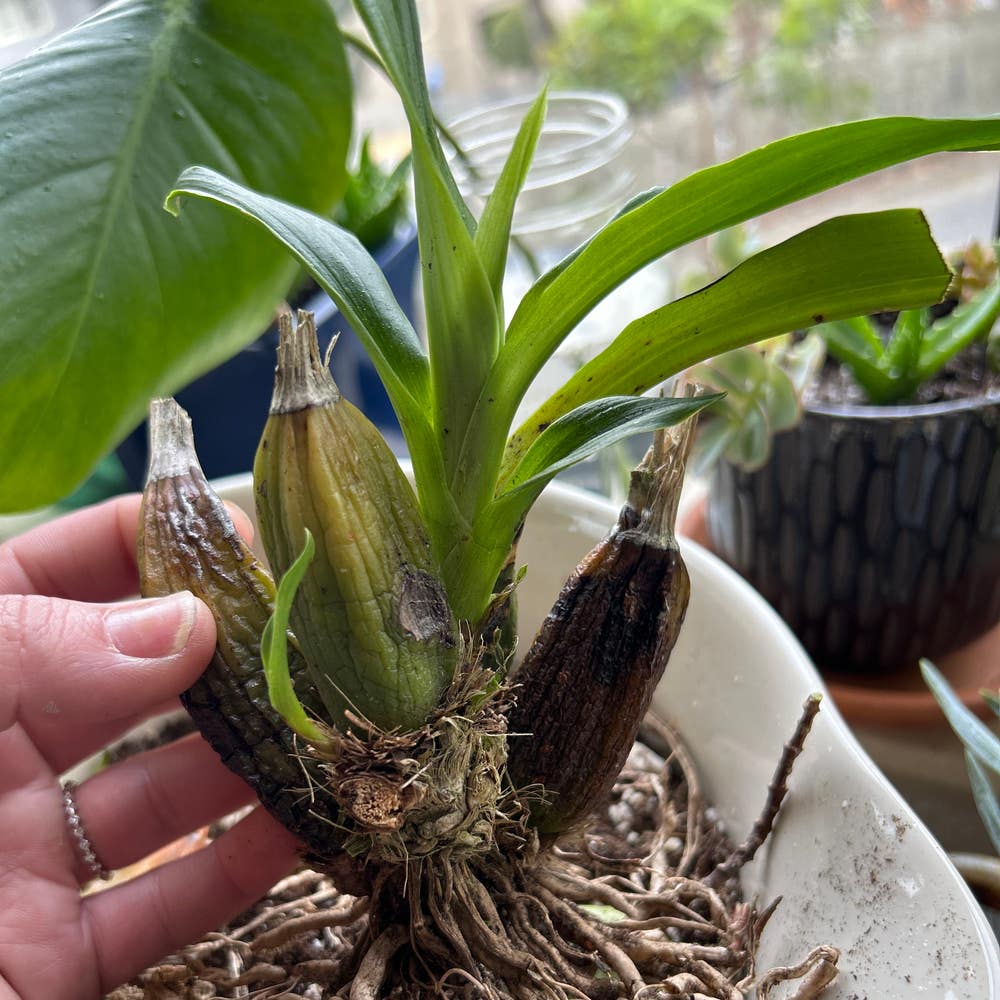
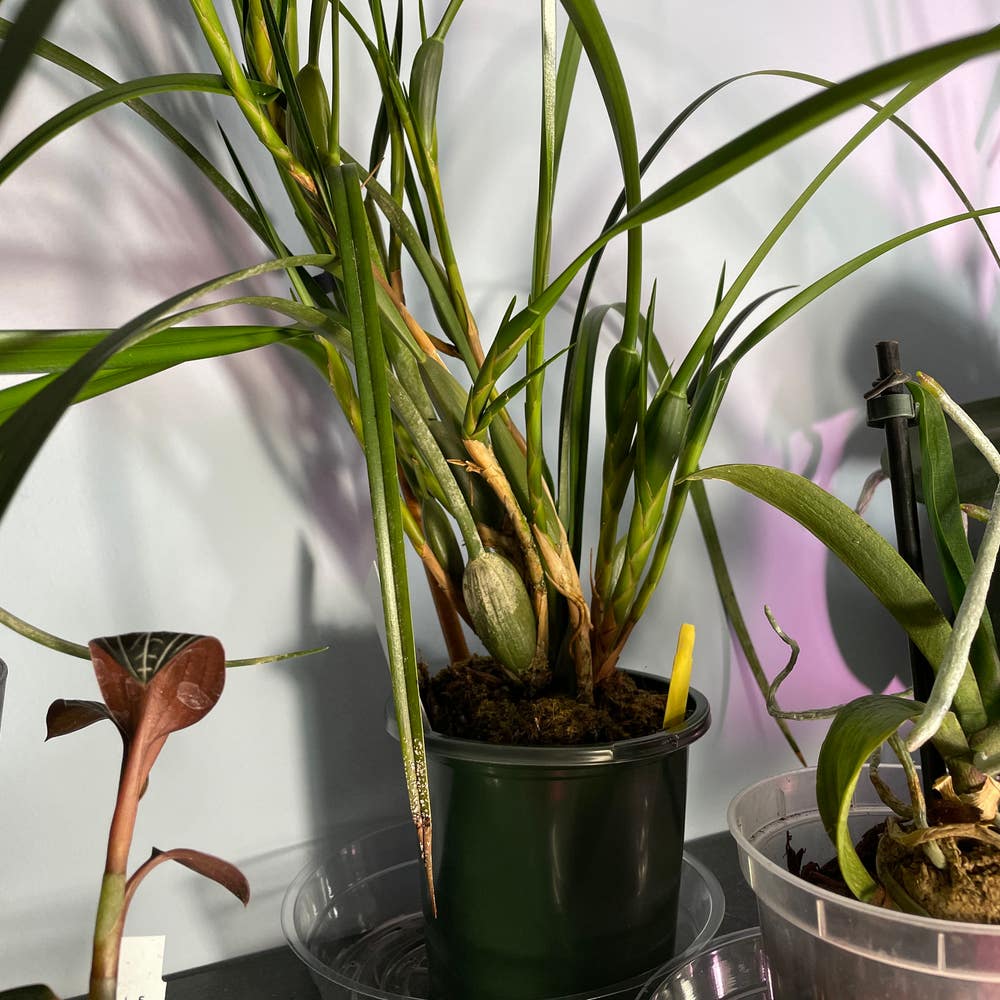
🌵 Ultimate Guide to Fixing Dropping Leaves on Desert Orchid
Eulophia petersii
By the Greg Editorial Team
Jan 07, 2025•4 min read
This article was created with the help of AI so we can cover more plants for you. May contain errors. See one? Report it here.
Revive your Desert Orchid 🌺 with essential care tips to prevent leaf drop and ensure vibrant growth!
- 💧 Water every 1-2 weeks; keep soil moist but not soggy for healthy leaves.
- 🌞 Provide 10-12 hours of bright, indirect light to prevent pale leaves.
- 🌬️ Ensure good air circulation and humidity to avoid pests and diseases.
Diagnosing the Problem
Assessing Watering Practices 🌊
Watering is crucial for your Desert Orchid's health. Aim to water every 1-2 weeks, ensuring the soil is moist but not soggy.
To check soil moisture, use a moisture meter or simply stick your finger into the soil. If it feels dry an inch down, it’s time to water.
Evaluating Light Conditions 💡
Light plays a vital role in your orchid's growth. Ideally, your Desert Orchid should receive bright, indirect light for 10-12 hours each day.
If you notice etiolated growth or pale leaves, it’s a sign that your plant isn’t getting enough light. Adjust its placement to remedy this.
Checking Humidity Levels 💧
Humidity is another key factor for your orchid's well-being. Use a hygrometer to measure the humidity levels in your environment.
If the humidity is low, consider methods like pebble trays or misting to increase moisture. These adjustments can make a significant difference.
Inspecting for Pests and Diseases 🐛
Pests and diseases can wreak havoc on your Desert Orchid. Common pests include aphids, mealybugs, and spider mites.
Look for signs of infestation such as sticky residue, webbing, or visible insects. Additionally, keep an eye out for disease indicators like fungal spots, blackened roots, and mushy leaves.
By thoroughly diagnosing these aspects, you can identify the root cause of your orchid's leaf drop. This understanding will pave the way for effective solutions.
Solutions for Leaf Drop
Adjusting Watering Techniques 🌊
To keep your Desert Orchid thriving, it's essential to water thoroughly and allow excess water to drain. This practice ensures that the roots receive adequate moisture without sitting in water, which can lead to root rot.
Signs of proper watering include healthy roots and firm leaves. If your leaves feel soft or limp, it may be time to reassess your watering routine.
Improving Humidity and Air Circulation 💨
Humidity plays a crucial role in the health of your Desert Orchid. To increase humidity, consider using humidifiers, grouping your plants together, or placing them on trays filled with water and pebbles.
Air circulation is equally important. Good airflow helps prevent mold and mildew growth, keeping your plant healthy and vibrant.
Modifying Light Exposure ☀️
Light exposure can significantly impact your plant's well-being. If your Desert Orchid isn't thriving, try moving it to a brighter location or using sheer curtains to filter the light.
Regularly monitor light levels to catch any signs of light stress, such as yellowing leaves or stunted growth. Adjusting the placement can make a world of difference.
Treating Pests and Diseases 🐛
If pests or diseases are affecting your Desert Orchid, it's time to take action. Organic pest control methods like neem oil or insecticidal soap can effectively manage infestations without harsh chemicals.
For disease management, promptly remove any affected leaves and consider using fungicides to prevent further spread. Staying proactive can save your plant from serious issues.
With these solutions, you can tackle leaf drop effectively and keep your Desert Orchid flourishing. If problems persist, it may be time to explore when to seek professional help.
When to Seek Professional Help
⚠️ Signs That Indicate a Serious Issue
If your desert orchid continues to drop leaves despite your best care efforts, it may be time to take a step back. Persistent leaf drop can signal deeper issues, such as severe root rot or a significant pest infestation.
Look for other warning signs, too. If you notice blackened roots or a sticky residue on the leaves, these could indicate serious problems that require immediate attention.
👩🔬 Consulting with Orchid Specialists
When in doubt, don’t hesitate to reach out for help. Local orchid societies or online forums can connect you with experts who are passionate about these plants.
Professional diagnosis is crucial for complex issues. An experienced eye can often spot problems that might elude even the most diligent plant parent, ensuring your orchid gets the care it needs to thrive.
⚠️ Safety First
This content is for general information and may contain errors, omissions, or outdated details. It is not medical, veterinary advice, or an endorsement of therapeutic claims.
Always consult a qualified healthcare professional before using any plant as food, medicine, or supplement.
Never eat any plant (or feed one to pets) without confirming its identity with at least two trusted sources.
If you suspect poisoning, call Poison Control (800) 222-1222, the Pet Poison Helpline (800) 213-6680, or your local emergency service immediately.
Spotted an error? Please report it here.
Keep your Desert Orchid thriving 🌵 by using Greg's tailored reminders for watering and light, ensuring it gets the care it needs to flourish without dropping leaves!