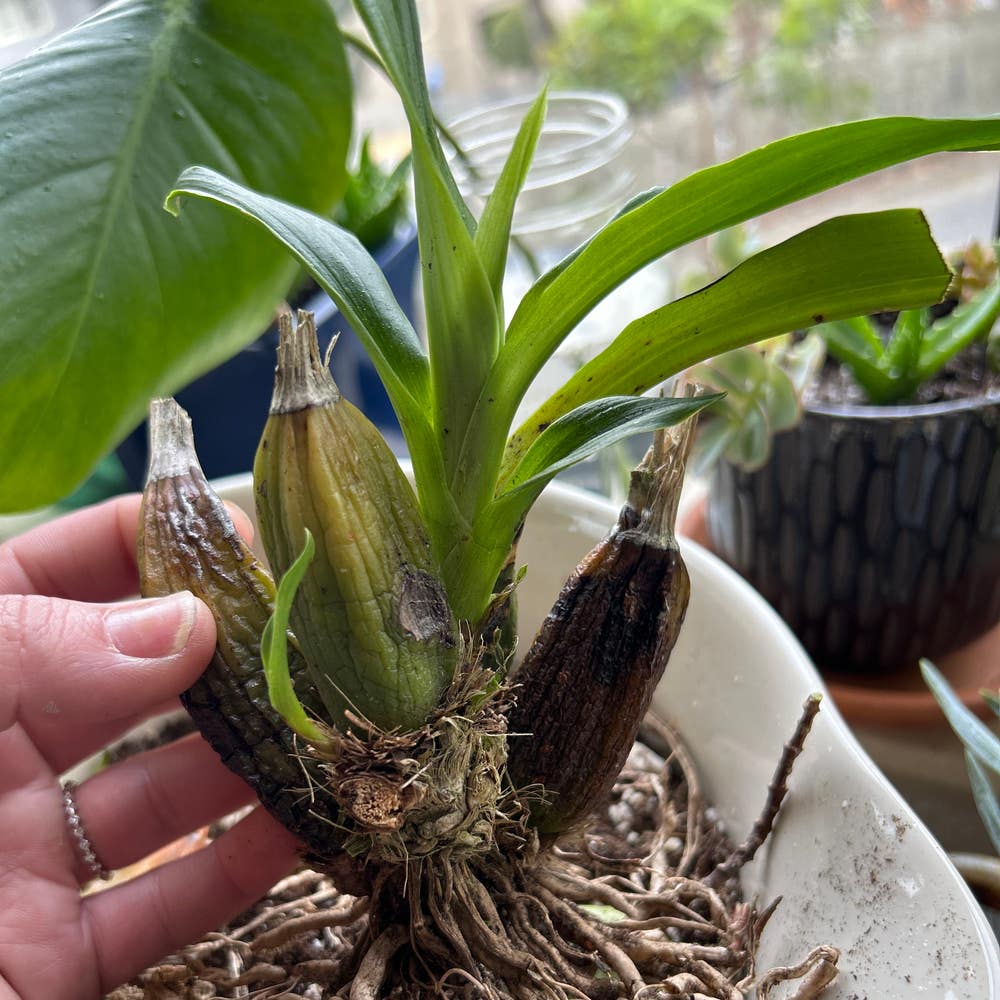
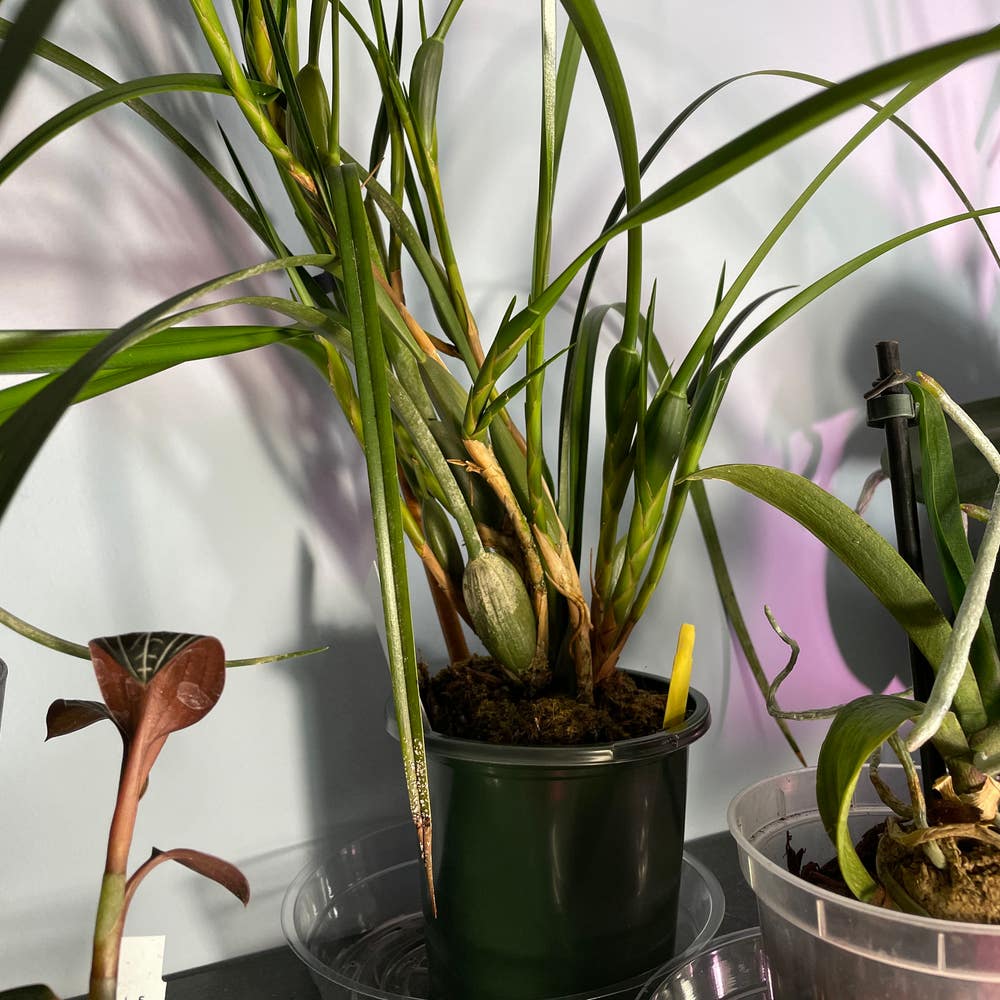
Actions to Take When Desert Orchid Leaves Turn Yellow 🍂
Eulophia petersii
By the Greg Editorial Team
Jan 07, 2025•5 min read
This article was created with the help of AI so we can cover more plants for you. May contain errors. See one? Report it here.
Transform your Desert Orchid's health 🌱 by learning to diagnose and treat yellowing leaves effectively! 🌿
- 🌱 Yellow leaves indicate overwatering, underwatering, or nutrient deficiencies; diagnose promptly.
- 💧 Ensure proper watering by checking soil moisture; avoid root rot and shriveled leaves.
- 🌿 Regular inspections for pests and diseases help maintain healthy Desert Orchids.
Causes of Yellow Leaves
💧 Overwatering and Root Rot
Overwatering is a common culprit behind yellowing leaves in Desert Orchids. Symptoms include not just the yellow leaves but also mushy roots, indicating root rot.
Excess moisture creates an environment where roots can’t breathe, leading to decay. To prevent this, always use a well-draining potting mix that allows excess water to escape.
🌵 Underwatering and Dehydration
On the flip side, underwatering can also cause distress. Look for shriveled leaves and a dry potting medium as signs that your plant is thirsty.
Insufficient water affects leaf health by preventing essential nutrients from reaching the leaves. If you notice these signs, it’s time to give your plant a good drink.
🥦 Nutrient Deficiencies
Nitrogen Deficiency
A lack of nitrogen manifests as pale yellow leaves and stunted growth. Nitrogen is crucial for leaf development and overall plant health.
Without it, your Desert Orchid may struggle to thrive, so consider a balanced fertilizer to replenish this vital nutrient.
Magnesium Deficiency
Magnesium deficiency presents itself through yellowing between leaf veins and curling leaves. This nutrient plays a key role in chlorophyll production, essential for photosynthesis.
Ensuring your plant has adequate magnesium will help maintain its vitality and vibrant color.
🐛 Pests
Common Pests
Pests like aphids can wreak havoc on your Desert Orchid. Look for signs of infestation, such as distorted growth and sticky residue on leaves.
Spider mites are another threat, leaving webbing and stippled leaves in their wake. Early detection and treatment are crucial to prevent serious damage.
🦠 Diseases
Fungal Infections
Fungal infections can lead to yellowing leaves, black spots, and wilting. These diseases spread quickly, affecting the overall health of your plant.
To combat this, maintain good air circulation and monitor moisture levels closely. Keeping your plant's environment balanced is key to preventing fungal issues.
Diagnosing the Problem
🌿 Visual Inspection of Leaves and Roots
To diagnose yellowing leaves on your Desert Orchid, start with a visual inspection. Look closely at the leaf color and texture; healthy leaves should be vibrant and firm, while yellowing may indicate stress.
Next, check the roots. Healthy roots are white and firm, while signs of rot include brown, mushy roots that may emit a foul odor.
💧 Checking Potting Medium Moisture Levels
Understanding the moisture level of your potting medium is crucial. Use the finger test: insert your finger about an inch into the soil. If it feels dry, it's time to water.
Alternatively, a moisture meter can provide a more accurate reading. Knowing your potting mix's water retention properties helps prevent overwatering or underwatering.
🐛 Identifying Pests and Signs of Disease
Inspecting for pests is essential for maintaining plant health. Look under the leaves and along the stems for any signs of infestation, such as tiny insects or webbing.
Recognizing signs of disease is equally important. Discoloration, spots, and wilting can indicate underlying issues that need immediate attention. Early detection is key to effective treatment.
With these diagnostic steps, you can pinpoint the cause of yellowing leaves and take action to restore your Desert Orchid's health. Next, let's explore solutions for yellow leaves.
Solutions for Yellow Leaves
🌊 Adjusting Watering Practices
Proper watering is crucial for the health of your Desert Orchid. Aim to water when the top inch of the potting medium feels dry, ensuring you allow the soil to dry out between waterings to prevent root rot.
🌱 Fertilizing Appropriately
Using a balanced fertilizer with an NPK ratio of 10-10-10 is ideal for promoting healthy growth. Fertilize during the growing season, typically every 4-6 weeks, to provide essential nutrients.
🐛 Treating Pests and Diseases
If you notice pests, consider both organic and chemical treatment options. For fungal infections, apply fungicides and improve air circulation around the plant to help combat the issue.
🌞 Improving Environmental Conditions
💡 Light Adjustment
Desert Orchids thrive in bright, indirect light. Adjust their light exposure with the seasons, moving them closer to a light source in winter and providing some shade in the summer.
💧 Humidity Enhancement
Increasing humidity can significantly benefit your plant. Use pebble trays or humidifiers to maintain consistent humidity levels, which is vital for the overall health of your Desert Orchid.
By implementing these solutions, you can effectively address yellowing leaves and promote a vibrant, healthy plant. Next, let’s explore preventative measures to keep your Desert Orchid thriving long-term.
Preventative Measures
Regular Monitoring of Plant Health 🌱
Routine checks are essential for early detection of issues. By observing your Desert Orchid regularly, you can catch problems before they escalate.
Keeping a care journal can be incredibly helpful. Documenting changes and interventions allows you to track your plant's health over time.
Proper Potting and Repotting Techniques 🪴
Choosing the right potting mix is crucial for your plant's success. A well-draining mix helps prevent water retention, which can lead to root rot.
Know when to repot your Desert Orchid. Signs that repotting is necessary include roots growing out of the drainage holes or the plant becoming top-heavy.
Maintaining Optimal Growing Conditions ☀️
Understanding the ideal conditions for your Desert Orchid is key. Aim for bright, indirect light, stable temperatures, and consistent humidity.
Mimicking the plant's natural habitat promotes health and vitality. This means providing an environment that closely resembles its native conditions.
Seasonal Care Adjustments 🍂
Adjust your care practices as the seasons change. Different times of the year may require modifications in watering and fertilization schedules.
Being adaptable is essential for your plant's well-being. By responding to seasonal shifts, you can ensure your Desert Orchid thrives year-round.
⚠️ Safety First
This content is for general information and may contain errors, omissions, or outdated details. It is not medical, veterinary advice, or an endorsement of therapeutic claims.
Always consult a qualified healthcare professional before using any plant as food, medicine, or supplement.
Never eat any plant (or feed one to pets) without confirming its identity with at least two trusted sources.
If you suspect poisoning, call Poison Control (800) 222-1222, the Pet Poison Helpline (800) 213-6680, or your local emergency service immediately.
Spotted an error? Please report it here.
Keep your Desert Orchid's leaves vibrant green 🌿 by using Greg's tailored care reminders to tackle yellowing issues like overwatering and nutrient deficiencies for thriving plants!