🌵 Why Your Desert Orchid Leaves Are Falling Over
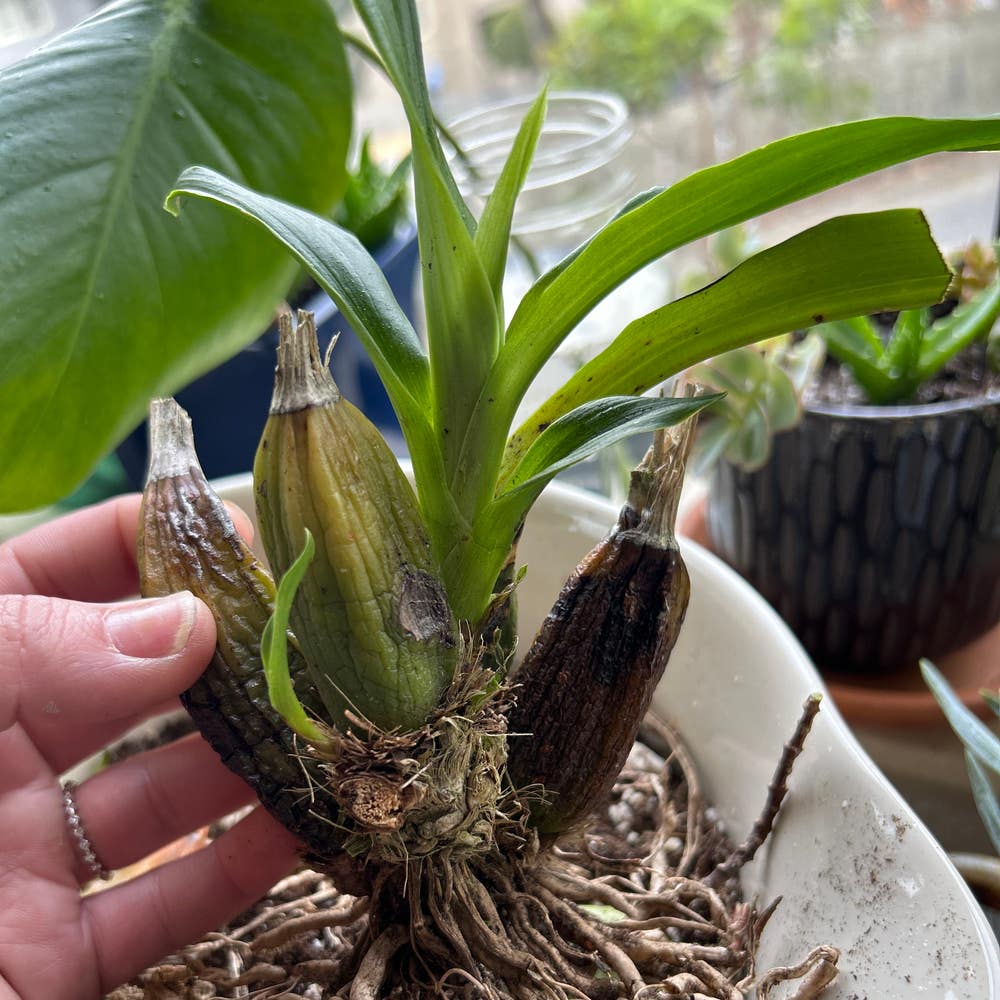
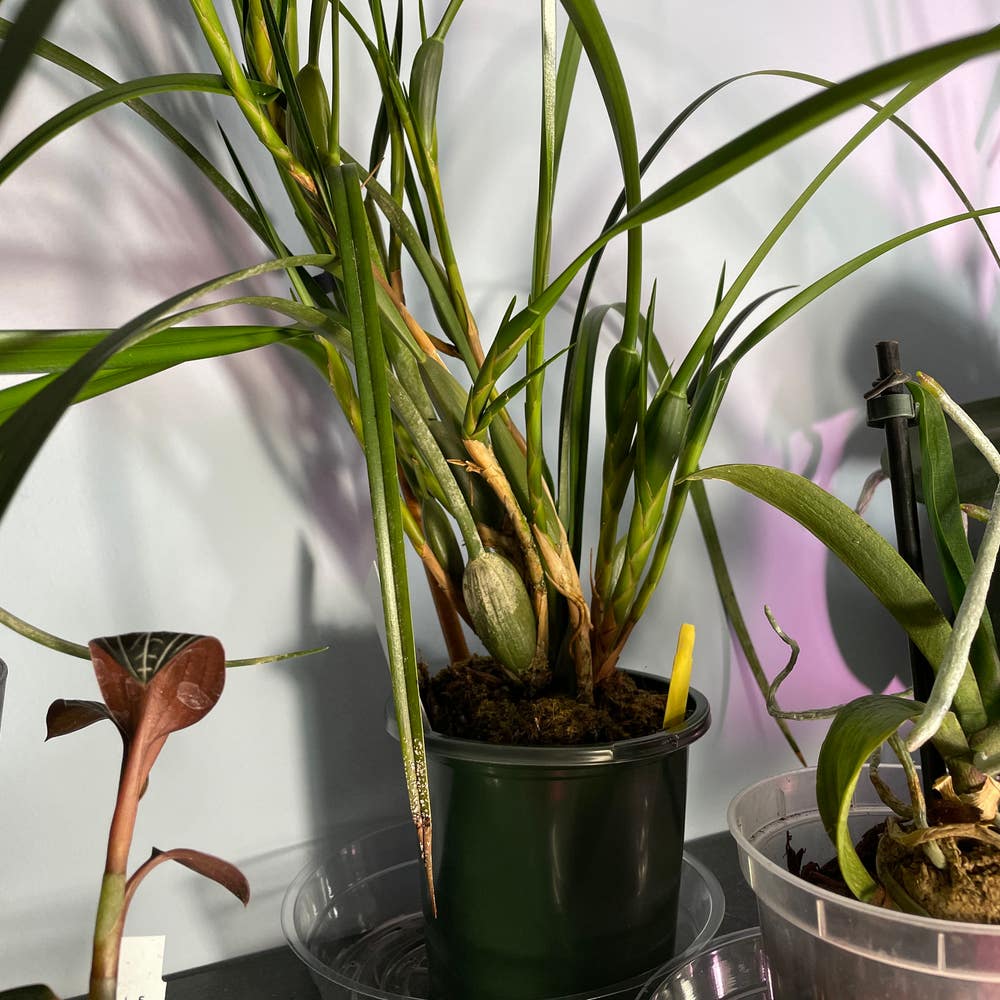
Eulophia petersii
By the Greg Editorial Team
Jan 07, 2025•6 min read
This article was created with the help of AI so we can cover more plants for you. May contain errors. See one? Report it here.
Master the art of orchid care 🌱 to prevent leaf drop and keep your desert orchid thriving with these essential tips!
- 💧 Overwatering and underwatering are key causes of leaf drop in desert orchids.
- 🌡️ Maintain 65°F to 80°F for optimal orchid health and prevent leaf drooping.
- 🌞 Bright, indirect sunlight is essential; too much or too little harms growth.
Causes of Leaf Drop
💧 Overwatering and Root Rot
Excessive moisture is a common culprit behind root rot in desert orchids. When roots sit in soggy conditions, they become mushy and emit a foul odor, leading to leaf drop.
To prevent this, it's crucial to use a well-draining potting mix. This ensures that excess water can escape, keeping your orchid's roots healthy and thriving.
🚰 Underwatering and Dehydration
On the flip side, underwatering can also cause your orchid's leaves to droop. Signs of dehydration include shriveled leaves and dry potting mix.
Dehydration affects not only leaf health but also the overall vitality of the plant. Aim to water your orchid regularly, ensuring the potting mix remains slightly moist but not soggy.
🌡️ Environmental Stress
Temperature
Desert orchids thrive in a temperature range of 65°F to 80°F (18°C to 27°C). Fluctuations outside this range can stress the plant, leading to leaf health issues.
Maintaining a stable environment is key to keeping your orchid happy and healthy.
💦 Humidity
These orchids prefer humidity levels between 40% and 70%. To maintain this, consider using pebble trays, misting, or a humidifier.
Proper humidity helps prevent leaf drop and promotes lush growth.
☀️ Light
Bright, indirect sunlight is essential for your orchid's well-being. Too much direct light can scorch leaves, while too little can stunt growth.
Finding the right balance in light exposure is vital for vibrant, healthy leaves.
🐛 Pest Infestations
Common Pests
Aphids are notorious for infesting orchids, leaving behind signs of damage like curled leaves.
Spider mites can also be a problem, often indicated by webbing and stippled leaves. Regular inspections can help catch these pests early.
🦠 Fungal and Bacterial Diseases
Fungal and bacterial diseases can lead to significant leaf drop. Look for symptoms such as black spots, wilting, and leaf discoloration.
Identifying these issues early can help you take action before they severely impact your plant's health.
Understanding these causes of leaf drop is the first step in ensuring your desert orchid remains vibrant and healthy. Next, we'll explore effective diagnosis techniques to pinpoint the exact issues affecting your plant.
Diagnosis Techniques
Checking Root Health 🌱
To assess your Desert Orchid's health, start by checking the roots. Gently remove the plant from its pot and inspect the roots for signs of rot, which can appear mushy or discolored.
Healthy roots should be firm and white or light tan. If you notice any black, mushy areas, it's a clear indication of root rot, and immediate action is necessary.
Assessing Environmental Conditions 🌡️
Next, evaluate the environmental conditions surrounding your plant. Use tools like thermometers and hygrometers to measure temperature and humidity levels accurately.
Light meters can help determine if your plant is receiving the right amount of light. Adjust these conditions based on your findings to create an optimal environment for your Desert Orchid.
Inspecting for Pests and Diseases 🐛
Lastly, conduct a thorough inspection for pests and diseases. Look under the leaves and check for any webbing or sticky residue, which can indicate pest infestations.
Be vigilant for signs of fungal or bacterial diseases, such as black spots or wilting leaves. Early detection is key to preventing further damage and ensuring your plant thrives.
With these diagnostic techniques, you can effectively identify issues affecting your Desert Orchid and take the necessary steps to restore its health. Now, let's explore how to prevent leaf drop in the first place.
Preventing Leaf Drop
🌊 Proper Watering Techniques
Signs of Overwatering
Overwatering is a common issue that can lead to serious problems for your desert orchid. Look for indicators like soggy potting mix, yellowing leaves, and the dreaded root rot.
Signs of Underwatering
On the flip side, underwatering can also wreak havoc. Keep an eye out for dry potting mix, shriveled leaves, and wilting, which signal that your plant is thirsty.
🌤️ Ideal Environmental Conditions
Temperature Ranges
Maintaining the right temperature is crucial for your orchid's health. Aim for a cozy range of 65°F to 80°F (18°C to 27°C) and avoid placing your plant near drafts or heat sources.
Humidity Levels
Humidity plays a significant role in your orchid's well-being. To achieve ideal humidity levels, consider using humidity trays or regular misting to keep the air around your plant moist.
Light Requirements
Light exposure is essential for growth. Position your orchid near east or west-facing windows to ensure it receives bright, indirect sunlight without the risk of scorching its leaves.
🌱 Fertilization Practices
Best Fertilizers
Choosing the right fertilizer can make a world of difference. Look for fertilizers with NPK ratios tailored for orchids, typically around 30-10-10, to support optimal growth.
Frequency and Timing
Timing is everything when it comes to fertilization. Aim to fertilize your orchid every 2-4 weeks during the growing season to keep it thriving and vibrant.
By following these preventative measures, you can help ensure your desert orchid remains healthy and vibrant, reducing the risk of leaf drop. Next, let’s explore effective diagnosis techniques to identify any underlying issues.
Treating Leaf Drop
🌊 Immediate Actions
Adjusting Watering Schedule
To effectively treat leaf drop, start by adjusting your watering schedule. If you've identified overwatering, reduce the frequency and allow the potting mix to dry out between waterings.
Conversely, if underwatering is the culprit, increase your watering frequency. Aim for a consistent routine that keeps the potting mix moist but not soggy.
Treating Pests and Diseases
Next, tackle any pest infestations or diseases. For pests like aphids or spider mites, insecticidal soap can be a game-changer, effectively eliminating these nuisances without harming your plant.
If fungal or bacterial diseases are present, apply a suitable fungicide to address the issue. Always follow the product instructions for the best results.
🌱 Long-term Care Strategies
Repotting Techniques
Repotting can be crucial for long-term health. If your orchid shows signs of stunted growth or root crowding, it’s time to repot.
Choose a pot that’s slightly larger and ensure it has drainage holes. Gently remove the plant from its current pot, trim any dead roots, and place it in fresh potting mix.
Choosing the Right Potting Mix
Selecting the right potting mix is vital for your orchid's success. Opt for a bark-based or specialized orchid mix that provides excellent drainage and aeration.
These mixes support healthy root development and prevent moisture retention, which can lead to root rot.
🔍 Monitoring and Adjusting Care Routines
Finally, regular monitoring is key to preventing future leaf drop. Check your plant's health and environmental conditions frequently.
Adjust care routines based on your observations. This proactive approach ensures your desert orchid remains vibrant and thriving.
With these strategies in place, your orchid will be on the path to recovery and long-term health.
⚠️ Safety First
This content is for general information and may contain errors, omissions, or outdated details. It is not medical, veterinary advice, or an endorsement of therapeutic claims.
Always consult a qualified healthcare professional before using any plant as food, medicine, or supplement.
Never eat any plant (or feed one to pets) without confirming its identity with at least two trusted sources.
If you suspect poisoning, call Poison Control (800) 222-1222, the Pet Poison Helpline (800) 213-6680, or your local emergency service immediately.
Spotted an error? Please report it here.
Keep your desert orchid thriving 🌵 by using Greg's tailored watering reminders and health monitoring to prevent leaf drop and ensure vibrant growth!