❄️ 6 Key Winter Strategies for Desert Orchid
Eulophia petersii
By the Greg Editorial Team
Jan 07, 2025•4 min read
This article was created with the help of AI so we can cover more plants for you. May contain errors. See one? Report it here.
Ensure your Desert Orchid thrives this winter 🌵 with essential care tips for vibrant blooms in spring!
- 💧 Water Desert Orchids every 2-4 weeks in winter to prevent root rot.
- ❄️ Protect from frost using cloths; bring indoors before the first frost.
- 🌱 Withhold fertilizers during dormancy; resume in spring for healthy growth.
Winter Care Strategies
🌊 Adjusting watering schedules for winter
During winter, it's crucial to adjust your watering schedule for Desert Orchids. Reduce watering to every 2-4 weeks, depending on the moisture level of the soil.
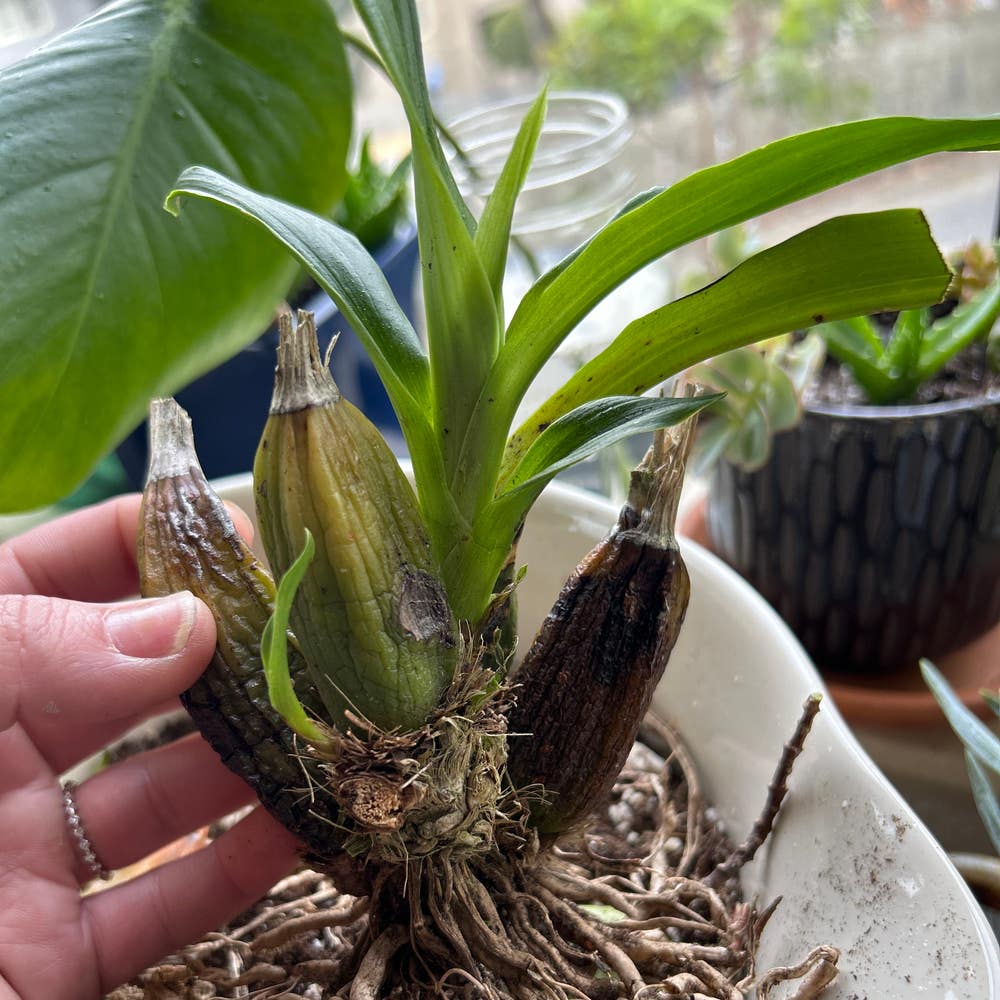
Watch for signs of overwatering, such as yellowing leaves and root rot. Allowing the soil to dry out is essential to prevent root rot during the plant's dormancy.
🌱 Fertilizing practices during winter
When it comes to fertilization, it's best to withhold fertilizers during the winter dormancy period. Resume fertilizing in early spring with a balanced orchid fertilizer to support new growth.
Conserving nutrients during dormancy is vital. This practice prevents nutrient buildup that can harm your orchid when it starts to grow again.
❄️ Protecting from frost and cold temperatures
Desert Orchids thrive in temperatures between 60°F to 75°F (15°C to 24°C) during winter. To protect them from frost, consider using frost cloths or blankets for outdoor plants.
For indoor orchids, placement matters. Keep them away from drafty windows and heating vents to maintain a stable environment.
With these winter care strategies, your Desert Orchid will be well-prepared to thrive through the colder months. Next, let’s explore the best practices for bringing your orchids indoors.
Indoor Winter Care
🌱 Best practices for bringing indoors
Timing is crucial when transitioning your Desert Orchid indoors. Aim to bring your plant inside before the first frost hits, as sudden temperature changes can stress the orchid.
Once indoors, start the acclimatization process. Gradually introduce your orchid to the new environment over a week to help it adjust without shock.
Container considerations are also important. Ensure that your pots have drainage holes to prevent water accumulation, which can lead to root rot.
💡 Light and humidity requirements
Providing the right light exposure is essential for your orchid's health. Aim for bright, indirect sunlight; direct sun can scorch the leaves and hinder growth.
Humidity levels play a significant role in your orchid's well-being. Maintain humidity around 40-60% by using a humidity tray or misting the plant regularly.
Monitoring indoor conditions is key to success. Use a hygrometer to keep track of humidity levels and ensure your orchid thrives in its new environment.
With these indoor care strategies, your Desert Orchid will be well-prepared to weather the winter months. As you nurture it indoors, keep an eye out for signs of recovery and growth, which will lead us into spring preparation.
Spring Preparation
🌱 Signs of recovery from winter damage
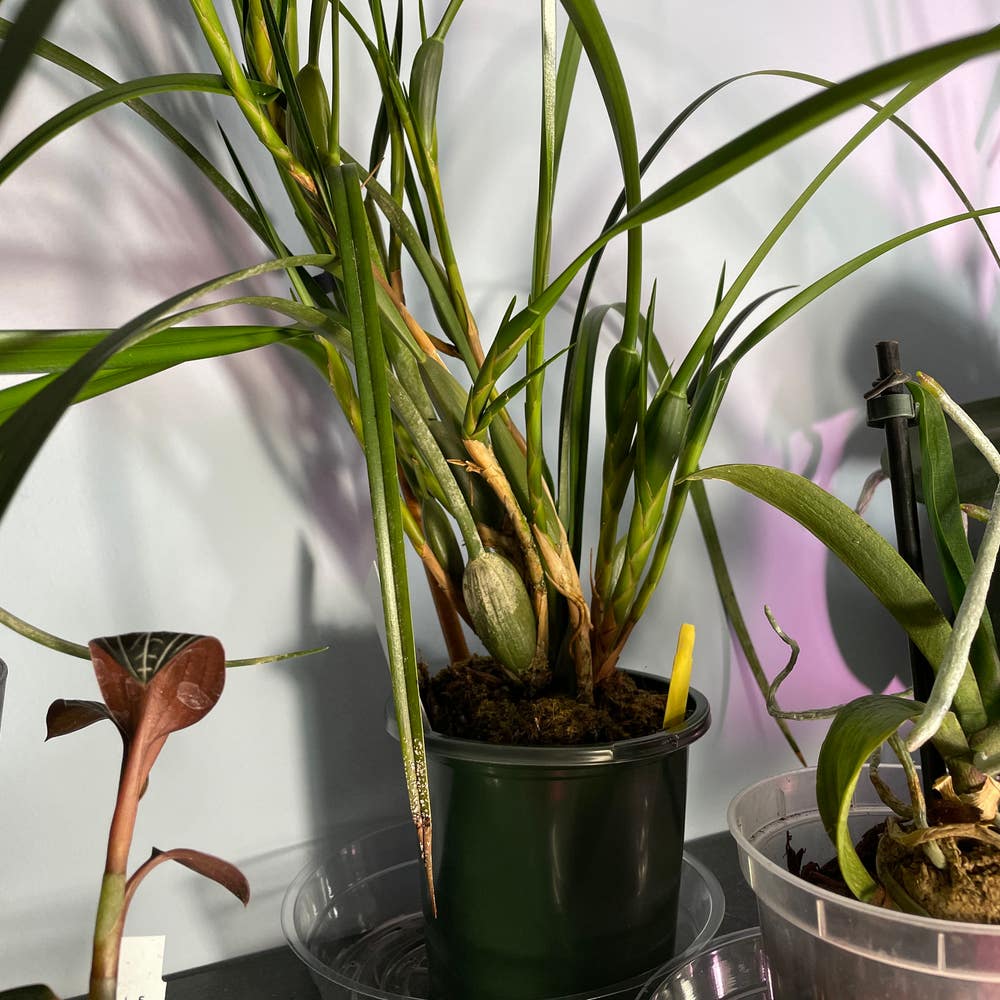
As winter fades, look for signs that your Desert Orchid is bouncing back. New growth, vibrant green leaves, and active root development are all positive indicators of health.
Check for these signs in late winter to early spring. Remember, patience is key; recovery takes time, so avoid the temptation to overwater during this critical phase.
🌼 Preparing for spring growth
To prepare your orchid for the warmer months, gradually reintroduce it to outdoor conditions. Start with partial shade before exposing it to full sunlight.
As growth resumes, resume your regular watering and fertilization schedule. Pruning any dead or damaged foliage will not only encourage new growth but also enhance the overall health of your plant.
With these strategies in place, your Desert Orchid will thrive as it transitions into spring. Now, let’s explore common winter problems and their solutions to ensure your orchid remains in top shape.
Common Winter Problems and Solutions
❄️ Identifying and Addressing Frost Damage
Frost can be a sneaky enemy for your orchids, manifesting as brown or blackened leaf tips and wilting. If you spot these symptoms, it's crucial to act quickly.
Trim away the damaged areas to encourage new growth and improve your frost protection measures. Covering outdoor plants with frost cloths or blankets can make a significant difference.
Early intervention is key; it prevents further damage and promotes recovery. Don't wait for the situation to worsen—take action as soon as you notice the signs.
💧 Solutions for Overwatering or Underwatering
Watering issues are common during winter, and both overwatering and underwatering can harm your orchids. Look for signs of overwatering, such as root rot, mushy roots, and yellowing leaves.
On the flip side, underwatering can lead to wrinkled leaves and dry potting medium. Adjust your watering frequency based on how your plant responds to its environment.
Keep a close eye on your orchids, and don't hesitate to modify your care routine. A little attention can go a long way in ensuring your plants thrive through the winter months.
⚠️ Safety First
This content is for general information and may contain errors, omissions, or outdated details. It is not medical, veterinary advice, or an endorsement of therapeutic claims.
Always consult a qualified healthcare professional before using any plant as food, medicine, or supplement.
Never eat any plant (or feed one to pets) without confirming its identity with at least two trusted sources.
If you suspect poisoning, call Poison Control (800) 222-1222, the Pet Poison Helpline (800) 213-6680, or your local emergency service immediately.
Spotted an error? Please report it here.
Keep your Desert Orchid thriving this winter ❄️ with Greg's tailored watering reminders and humidity tracking to ensure it flourishes through the cold months!