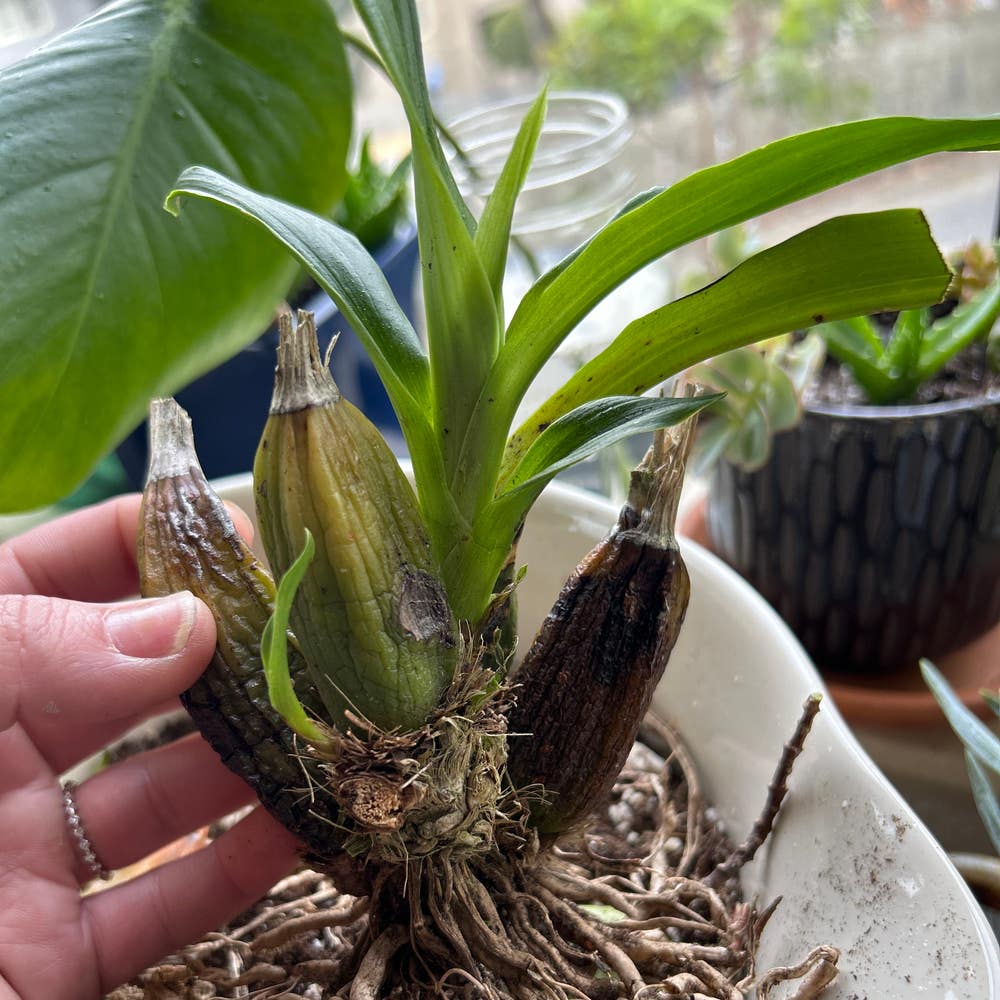
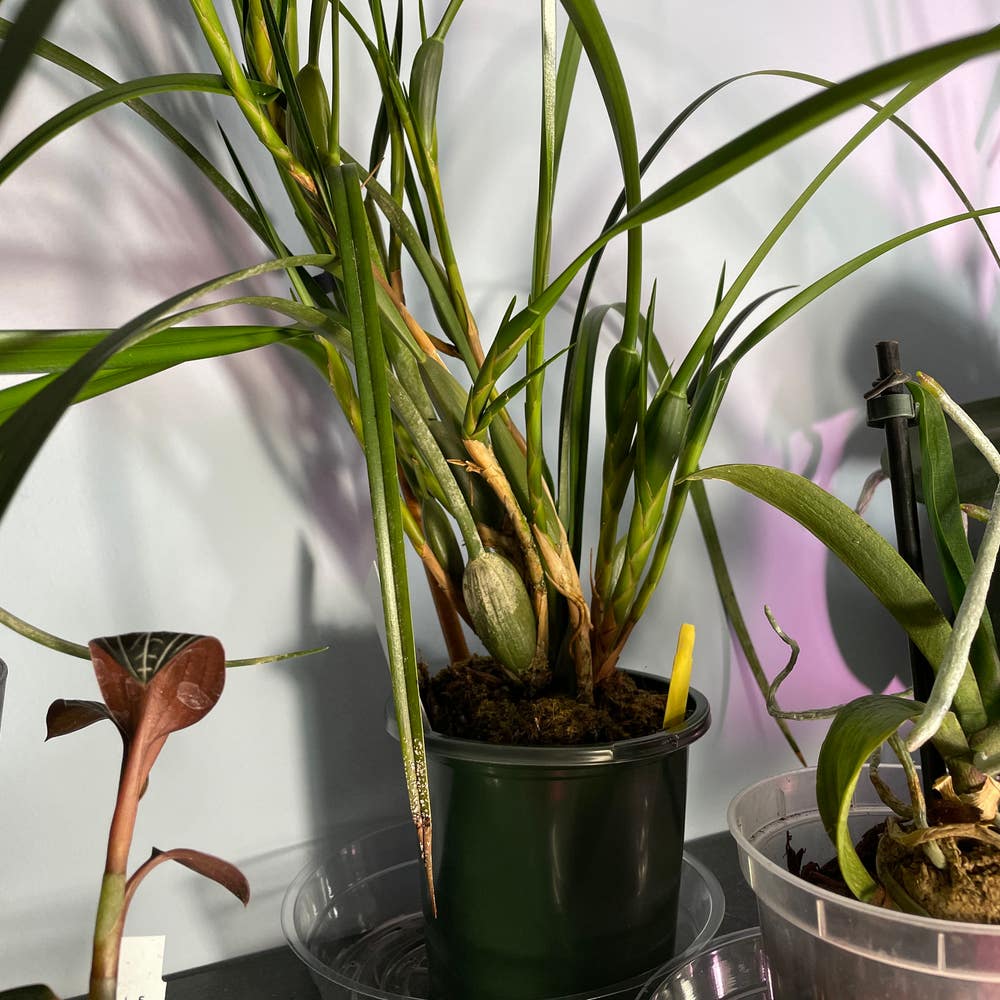
Desert Orchid: Not an Invasive Plant 🌸
Eulophia petersii
By the Greg Editorial Team
Jan 07, 2025•6 min read
This article was created with the help of AI so we can cover more plants for you. May contain errors. See one? Report it here.
Transform your garden with Desert Orchid 🌵—a stunning, non-invasive plant that boosts biodiversity and thrives in arid landscapes!
- 🌵 Desert Orchid is non-invasive, thriving without outcompeting native plants in arid areas.
- 🌼 Supports biodiversity by attracting pollinators and enhancing local ecosystems.
- 💧 Ideal for drought gardens, requiring minimal maintenance and promoting water conservation.
Plant Classification
Definition of Invasive Species 🌱
Invasive species are plants or animals that grow and spread rapidly, often outcompeting native species. They can disrupt local ecosystems, leading to the displacement of native plants and creating negative impacts on biodiversity.
Why Desert Orchid is Not Invasive 🌵
Desert Orchid stands out as a non-invasive plant due to its specific habitat needs. It thrives in dry conditions, which limits its growth to arid environments where it can flourish without overwhelming other species.
This plant's low water requirements further restrict its spread, preventing it from thriving in overly moist areas. As a result, Desert Orchid contributes positively to local biodiversity by supporting native wildlife without competing aggressively for resources.
In essence, it enhances the ecosystem rather than detracting from it, making it a valuable addition to arid landscapes.
Growth Habits
Typical Growth Patterns in Gardens 🌼
Desert Orchid exhibits a fascinating growth form that can either clump or spread, depending on its environment. Typically, it blooms in late spring to early summer, showcasing vibrant flowers that can reach heights of up to 3 feet and spread about 2 feet wide.
Natural Limits to Growth and Spread Potential 🌵
This plant thrives in well-draining, sandy soils, making it a perfect fit for arid landscapes. It requires full sun exposure and low humidity, which limits its growth potential in more humid or shaded areas.
Competition with Other Plants 🌿
Desert Orchid has a limited ability to spread in dense vegetation, allowing it to coexist peacefully with other plants. This characteristic not only helps maintain the balance in garden ecosystems but also ensures that it doesn't overpower its neighbors.
Incorporating Desert Orchid into your garden can create a stunning visual impact while respecting the natural order of your plant community. Its unique growth habits make it a valuable addition to any drought-resistant garden design.
Ecological Role
Benefits in Ecosystems 🌱
Desert Orchid plays a vital role in enhancing soil health through its deep root systems. These roots improve soil structure, preventing erosion and increasing water retention, which is crucial in arid environments.
By stabilizing the soil, Desert Orchid helps maintain the integrity of its ecosystem. This not only benefits the plant itself but also supports other flora and fauna in the area.
Positive Interactions with Local Wildlife 🐝
One of the most delightful aspects of Desert Orchid is its ability to attract pollinators like bees and butterflies. These creatures find both nectar and habitat within its blooms, fostering a vibrant ecosystem.
Additionally, Desert Orchid provides shelter and food sources for local fauna. This symbiotic relationship enriches the biodiversity of the area, making it a key player in maintaining ecological balance.
Incorporating Desert Orchid into your garden not only beautifies the space but also contributes positively to the local environment. Its role in supporting wildlife and enhancing soil health makes it a plant worth considering for any garden enthusiast.
As we explore further, let’s look at how to effectively manage Desert Orchid in garden designs.
Garden Management
Incorporating into Garden Designs 🌵
Desert Orchid is a fantastic choice for garden designs focused on xeriscaping and drought resistance. Its unique appearance can serve as a striking focal point or be used in mass plantings to create a vibrant, cohesive look.
When planning your garden, consider the specific needs of Desert Orchid. It thrives in arid environments, making it perfect for low-water landscapes that require minimal maintenance.
Controlling Growth for Aesthetic Purposes ✂️
To keep your Desert Orchid looking its best, regular pruning is essential. This helps maintain the desired shape and size, ensuring it complements your garden's overall design.
Monitoring for overgrowth is also crucial, especially in mixed plantings. This way, you can prevent it from overshadowing other plants and maintain a balanced garden.
Using barriers can effectively limit the spread of Desert Orchid in garden beds. This technique allows you to enjoy its beauty without worrying about it taking over your space.
Incorporating these management strategies will enhance your garden's aesthetics while ensuring that Desert Orchid remains a beneficial addition. With thoughtful planning and care, you can create a stunning, sustainable garden that showcases this remarkable plant.
Next, we’ll explore the ecological role of Desert Orchid and its benefits in local ecosystems.
Comparison to Other Plants
🌵 Similar Non-Invasive Plants
When considering non-invasive plants for arid gardens, two standout options are Agave species and Yucca plants. Both thrive in dry conditions and share the same resilience as the Desert Orchid, making them excellent companions in xeriscaping.
Agave plants are known for their striking rosettes and bold architectural forms. They require minimal water and can survive in poor soil, making them a favorite among drought-tolerant gardeners.
Yucca plants, on the other hand, offer unique sword-like leaves and stunning flower spikes. They not only tolerate drought but also add a dramatic flair to any landscape.
🌼 Unique Qualities
What sets the Desert Orchid apart is its distinctive flowering patterns that can truly enhance garden aesthetics. Its blooms attract attention and provide a vibrant splash of color during the flowering season.
Additionally, the Desert Orchid boasts low maintenance requirements compared to many other drought-tolerant plants. This makes it an ideal choice for gardeners seeking beauty without the burden of constant care.
Incorporating these plants into your garden can create a stunning, sustainable landscape that thrives in arid conditions. With their unique qualities and compatibility, they contribute to a diverse and visually appealing environment.
As you plan your garden, consider how these plants can work together harmoniously, creating a space that is both beautiful and ecologically sound.
Legal and Environmental Considerations
🌱 Relevant Classifications and Guidelines
Understanding local regulations is crucial when planting non-invasive species like Desert Orchid. Many regions have specific guidelines to encourage the use of plants that support local ecosystems and prevent the spread of invasive species.
Selecting native plants is essential for maintaining ecological balance. Native species are adapted to local conditions and provide habitat for wildlife, ensuring a thriving ecosystem.
♻️ Role in Sustainable Gardening Practices
Incorporating Desert Orchid into your garden contributes significantly to water conservation efforts. Its low water requirements make it an excellent choice for drought-resistant landscaping.
Moreover, planting non-invasive species supports biodiversity. By choosing plants that coexist harmoniously with local flora and fauna, you promote healthy ecosystems and create a vibrant garden space.
Transitioning to sustainable gardening practices not only benefits your garden but also the environment at large. Embrace the beauty of non-invasive plants like Desert Orchid and make a positive impact today!
⚠️ Safety First
This content is for general information and may contain errors, omissions, or outdated details. It is not medical, veterinary advice, or an endorsement of therapeutic claims.
Always consult a qualified healthcare professional before using any plant as food, medicine, or supplement.
Never eat any plant (or feed one to pets) without confirming its identity with at least two trusted sources.
If you suspect poisoning, call Poison Control (800) 222-1222, the Pet Poison Helpline (800) 213-6680, or your local emergency service immediately.
Spotted an error? Please report it here.
Transform your garden into a biodiversity haven 🌼 with the stunning Desert Orchid, and let Greg provide you with personalized care tips to keep it thriving effortlessly!