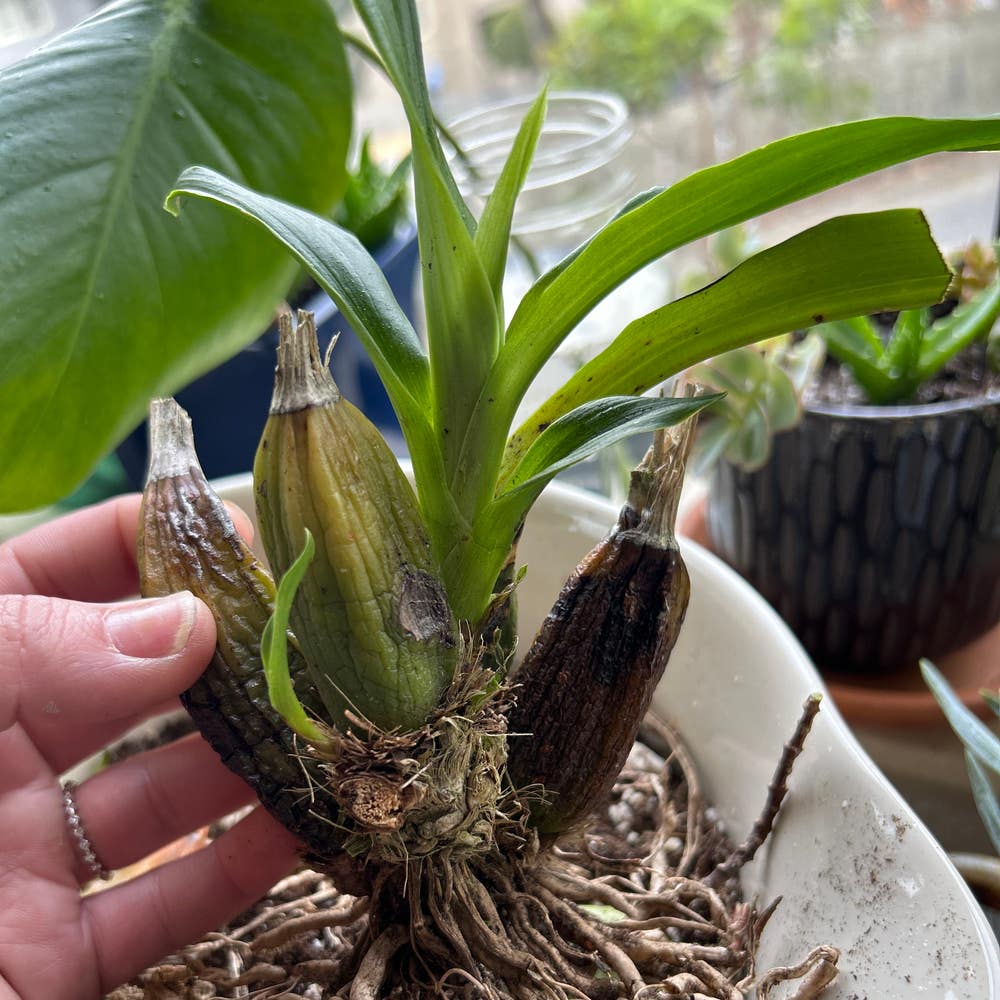
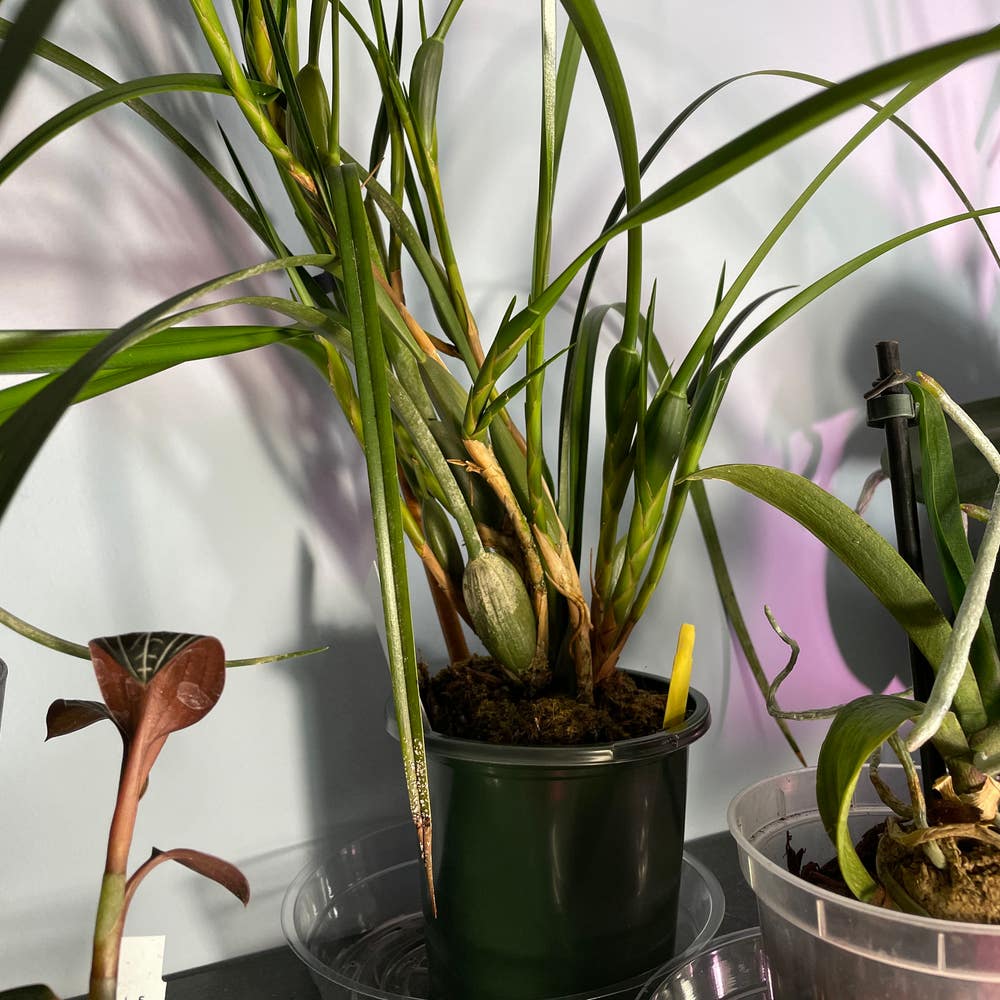
☀️ Direct Sunlight and Your Desert Orchid
Eulophia petersii
By the Greg Editorial Team
Jan 07, 2025•4 min read
This article was created with the help of AI so we can cover more plants for you. May contain errors. See one? Report it here.
Master sunlight exposure 🌞 for your Desert Orchid to ensure vibrant blooms and robust growth!
- 🌞 Desert Orchids thrive in direct sunlight, promoting healthy growth and vibrant blooms.
- 🪴 South-facing windows provide ideal light; east-facing offers gentle morning sun benefits.
- ⚠️ Too much sunlight causes stress; watch for leaf burn and wilting signs.
Definition of Direct Sunlight
Explanation Suitable for Children 🌞
Direct sunlight is bright light that comes straight from the sun without anything blocking it, like clouds or trees. Imagine standing outside on a sunny day with no shade; that’s when you’re experiencing direct sunlight.
Contrast with Indirect Sunlight 🌥️
Indirect sunlight, on the other hand, is light that is softened or filtered. For example, think about sitting in a room where sunlight comes through a window but doesn’t hit you directly; that’s indirect sunlight.
Understanding these two types of sunlight is essential for caring for plants like the Desert Orchid. Knowing the difference helps you provide the right conditions for your plant to thrive.
Sunlight Tolerance of Desert Orchid
🌞 Does it Need Direct Sunlight?
Desert Orchids thrive in direct sunlight, making them perfect for bright, sunny spots. They flourish when exposed to full sun, which encourages robust growth and vibrant blooms.
☀️ Can it Tolerate Direct Sunlight?
These orchids are well-equipped to handle intense sunlight. Unlike many other orchid varieties that may struggle, Desert Orchids embrace the heat, showcasing their resilience and adaptability.
🌤️ Can it Survive in Indirect Sunlight?
While Desert Orchids prefer direct sunlight, they can survive in indirect light. However, this may lead to slower growth and fewer flowers, as they rely on that bright light to truly shine.
In summary, providing the right sunlight conditions is crucial for the health of your Desert Orchid. Next, let’s explore how the direction of your windows can impact their sunlight exposure.
Role of Window Direction
🌞 Best Window Directions for Desert Orchid
When it comes to placing your Desert Orchid, window direction is key. South-facing windows are the gold standard, providing maximum direct sunlight exposure throughout the day.
East-facing windows are also a great choice, offering gentle morning sunlight that’s less intense. This can be especially beneficial for your orchid, allowing it to soak up light without the risk of scorching.
🌅 How Window Direction Affects Sunlight Exposure
Different window orientations significantly impact the light intensity and duration your Desert Orchid receives. For instance, south-facing windows capture the most sunlight, while north-facing windows often provide very little.
Understanding these dynamics is crucial for optimal plant placement. By considering window direction, you can ensure your Desert Orchid thrives in the best possible conditions.
Hemisphere Considerations
🌞 Differences in Sunlight Intensity Based on Hemisphere
The intensity of sunlight varies significantly between the Northern and Southern Hemispheres. In the Northern Hemisphere, sunlight is generally stronger during summer months, while the Southern Hemisphere experiences its peak sunlight during its summer, which is the Northern Hemisphere's winter.
Geographical location also plays a crucial role in light conditions for your Desert Orchid. Areas closer to the equator receive more consistent sunlight year-round, while regions further away may experience more dramatic seasonal changes.
🍂 Seasonal Changes in Sunlight Exposure
Seasons greatly influence sunlight intensity and duration, affecting how your Desert Orchid thrives. During summer, days are longer, providing ample direct sunlight, while winter brings shorter days and potentially less light.
To adjust care based on seasonal changes, consider repositioning your plant to maximize exposure. For example, during winter, moving your Desert Orchid closer to a sunny window can help compensate for the reduced light.
Additional Considerations for Plant Parents
🌞 Signs of Too Much Sunlight
Excessive sunlight can be harmful to your Desert Orchid. Look for signs like leaf burn, where the tips turn yellow or brown, indicating that the plant is getting too much direct light.
Wilting is another red flag. Even if you’re watering adequately, your orchid may still show signs of stress due to intense sunlight exposure.
🌑 Signs of Insufficient Sunlight
On the flip side, insufficient sunlight can lead to leggy growth. This occurs when the stems stretch out, and the leaves become sparse, as the plant reaches for more light.
Poor blooming is also a common issue. If your Desert Orchid isn’t producing flowers, it might not be getting enough direct sunlight to thrive.
🔄 Tips for Adjusting Light Conditions
To optimize light exposure, consider moving your plant to a brighter location. A simple repositioning can make a world of difference in its health.
Using sheer curtains can help soften harsh sunlight. This way, you protect your orchid from leaf damage while still allowing plenty of light to filter through.
Lastly, rotating your plant regularly ensures even light distribution. This practice helps all sides of the orchid receive adequate sunlight, promoting balanced growth.
With these tips, you can create the perfect environment for your Desert Orchid to flourish. Next, let’s explore how window direction plays a crucial role in sunlight exposure.
⚠️ Safety First
This content is for general information and may contain errors, omissions, or outdated details. It is not medical, veterinary advice, or an endorsement of therapeutic claims.
Always consult a qualified healthcare professional before using any plant as food, medicine, or supplement.
Never eat any plant (or feed one to pets) without confirming its identity with at least two trusted sources.
If you suspect poisoning, call Poison Control (800) 222-1222, the Pet Poison Helpline (800) 213-6680, or your local emergency service immediately.
Spotted an error? Please report it here.
Help your Desert Orchid bloom brilliantly 🌼 by using Greg's tailored sunlight tips and reminders to ensure it gets just the right amount of direct light!