Determining What Might Be Eating Your Spanish Moss 🐞
Tillandsia usneoides
By the Greg Editorial Team
Sep 30, 2024•6 min read
This article was created with the help of AI so we can cover more plants for you. May contain errors. See one? Report it here.
Safeguard your Spanish moss 🌿 and enrich your garden's ecosystem with these essential tips for thriving plants!
- 🌱 Spanish moss thrives in warm, humid areas, attracting various herbivores for food.
- 🦌🐇 Common herbivores include deer, rabbits, and squirrels, leaving distinct signs of damage.
- 🚫 Deterrents like fencing and repellents can protect Spanish moss from herbivore threats.
Description and Appeal of Spanish Moss
Characteristics 🌿
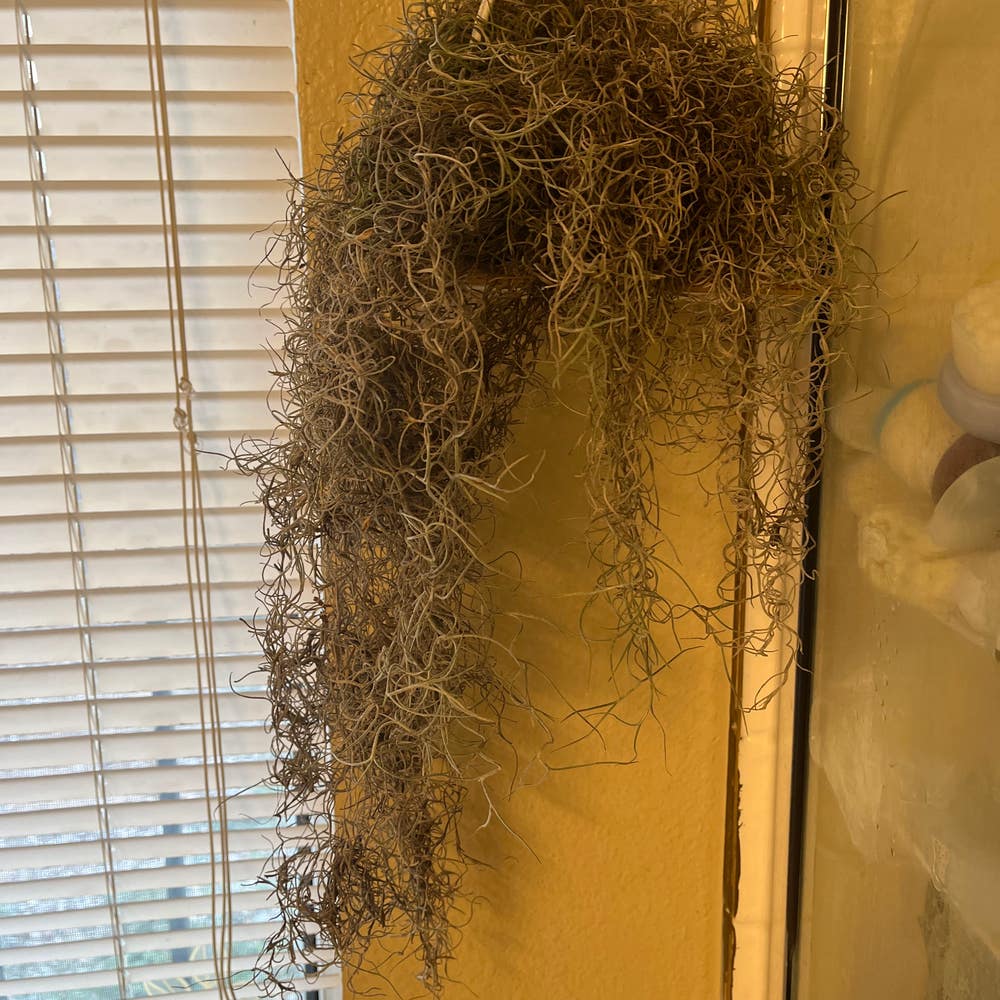
Spanish moss is a captivating sight, with its long, gray-green strands gracefully draping from trees. This epiphytic plant thrives in warm, humid environments, making it a staple in southern landscapes.
Parts Attractive to Animals 🐾
The young shoots of Spanish moss are particularly appealing to herbivores, as they are tender and nutritious. Additionally, its fruits and flowers, available seasonally, attract a variety of animals looking for a tasty treat.
Spanish moss not only enhances the beauty of its surroundings but also plays a vital role in the ecosystem. Its unique characteristics and appeal to wildlife make it a fascinating subject for both nature lovers and gardeners alike.
As we explore the common herbivores that might be munching on this enchanting plant, it's essential to understand the signs of their presence and the impact they can have.
Common Herbivores Affecting Spanish Moss
🦌 Deer
Signs of Presence and Damage
Look for hoof prints near trees to identify deer activity. Stripped fronds and stunted growth are clear indicators of their feeding habits.
Interaction Type
Deer are generally harmful to Spanish moss, as they can decimate populations quickly.
Deterrent Methods
To deter deer, consider using commercial deer repellents. Alternatively, planting deer-resistant species nearby or using human hair and soap shavings can be effective organic methods.
🐇 Rabbits
Signs of Presence and Damage
Rabbits leave small, round droppings and nibbling marks on the moss. Chewed edges are a telltale sign of their presence.
Interaction Type
Rabbits are also generally harmful, causing significant damage to Spanish moss.
Deterrent Methods
Rabbit repellents can help keep these critters at bay. For a more organic approach, fencing that is 2-3 feet high or planting rabbit-resistant plants can be effective.
🐿️ Squirrels
Signs of Presence and Damage
Chewed fronds and missing nesting materials indicate squirrel activity. Their feeding can lead to loss of plant material and potential disease spread.
Interaction Type
Squirrels are generally harmful, disrupting the health of Spanish moss populations.
Deterrent Methods
Squirrel repellents are available for chemical deterrence. Installing squirrel-proof feeders can serve as an organic solution.
🐦 Birds
Signs of Presence and Damage
Nesting activity and droppings near Spanish moss signal bird presence. They often remove fronds for nesting purposes.
Interaction Type
Birds can be generally beneficial, as they help control insect populations.
Deterrent Methods
Typically, no chemical deterrents are recommended for birds. Instead, providing alternative nesting materials can encourage them to nest elsewhere.
🐭 Rodents (Mice, Voles, etc.)
Signs of Presence and Damage
Look for small burrows and droppings near Spanish moss. Chewing on young shoots and fronds indicates rodent activity.
Interaction Type
Rodents are generally harmful, causing significant damage to the moss.
Deterrent Methods
Chemical options include rodent bait stations. For an organic approach, trapping and habitat modification can help manage their populations.
🦡 Groundhogs/Woodchucks
Signs of Presence and Damage
Large burrows and chewed fronds are signs of groundhog activity. They can lead to significant loss of plant material.
Interaction Type
Groundhogs are generally harmful, severely impacting Spanish moss populations.
Deterrent Methods
Commercial repellents can deter groundhogs. Organic methods include fencing that is at least 3 feet high and habitat modification.
Understanding these common herbivores and their impact on Spanish moss is crucial for maintaining its health. By employing effective deterrent methods, you can protect this unique plant while fostering a balanced ecosystem.
Beneficial Animals and Ecological Role
Positive Impacts 🐦
Birds play a crucial role in controlling insect populations that can threaten Spanish moss. Their natural predation helps maintain a balanced ecosystem, ensuring that harmful pests don’t overwhelm your plants.
Beneficial insects, such as pollinators, also enhance the growth of nearby flora. By facilitating pollination, they contribute to the overall health and diversity of the environment.
Ecosystem Contribution 🌍
The presence of these beneficial species supports biodiversity. A diverse ecosystem is more resilient, allowing for healthier populations of both plants and animals.
Encouraging beneficial animals not only protects your Spanish moss but also enriches the surrounding habitat. This interconnectedness fosters a thriving ecosystem, making your garden a vibrant sanctuary for wildlife.
As we appreciate these positive interactions, it’s essential to consider how to protect our Spanish moss from potential threats. Transitioning to the next section, we’ll explore general strategies for safeguarding this unique plant.
General Strategies for Protecting Spanish Moss
🛡️ Preventive Measures
Regular monitoring is crucial for spotting signs of herbivore activity. Keeping an eye out for tracks or nibbling can help you catch issues early.
Planting companion plants that deter herbivores is another effective strategy. Choose species known to repel common pests, creating a natural barrier around your Spanish moss.
⚠️ Reactive Solutions
If you notice damaged fronds, act quickly by removing them. This not only helps maintain the plant's health but also prevents further attraction of herbivores.
Using traps or repellents can be a game-changer. Whether you opt for chemical solutions or organic methods, having a plan in place is essential for quick action.
🌱 Balanced Ecosystem Maintenance
Encouraging beneficial species while managing harmful ones creates a thriving environment. Birds and beneficial insects can help control pests, so consider ways to attract them.
Creating a diverse planting scheme is key to a balanced ecosystem. A variety of plants can support different wildlife, enhancing the overall health of your garden.
By implementing these strategies, you can protect your Spanish moss while fostering a vibrant ecosystem. Next, let’s explore seasonal considerations that can impact herbivore activity.
Seasonal Considerations
🦙 Variations in Animal Attraction
As the seasons change, so does the behavior of herbivores. Spring and summer see a surge in herbivore activity, making it crucial to stay vigilant.
⏰ Timing of Preventive Measures
To protect your Spanish moss, implement deterrents early in spring, just before the peak feeding frenzy begins. By late summer, keep an eye out for any signs of damage to ensure your moss remains healthy and vibrant.
This proactive approach not only safeguards your plants but also fosters a thriving ecosystem. Understanding these seasonal patterns helps you maintain a balanced environment for your Spanish moss and its surrounding flora.
Toxicity and Safety
Toxic Effects 🌿
Spanish Moss is generally safe, but it does have mild toxicity. Some herbivores may experience digestive issues if they consume it in large quantities.
Safety Considerations 🐾
When planting Spanish Moss, it's essential to be aware of these risks. Pet owners should monitor their animals' interactions with the moss to prevent any potential health issues.
By understanding these safety aspects, you can enjoy the beauty of Spanish Moss while keeping your garden and pets safe.
As you consider the ecological balance of your garden, remember to explore the beneficial animals that coexist with Spanish Moss.
⚠️ Safety First
This content is for general information and may contain errors, omissions, or outdated details. It is not medical, veterinary advice, or an endorsement of therapeutic claims.
Always consult a qualified healthcare professional before using any plant as food, medicine, or supplement.
Never eat any plant (or feed one to pets) without confirming its identity with at least two trusted sources.
If you suspect poisoning, call Poison Control (800) 222-1222, the Pet Poison Helpline (800) 213-6680, or your local emergency service immediately.
Spotted an error? Please report it here.
Keep your Spanish moss thriving 🌱 by using Greg's personalized monitoring and deterrent tips to fend off herbivores and create a flourishing environment!