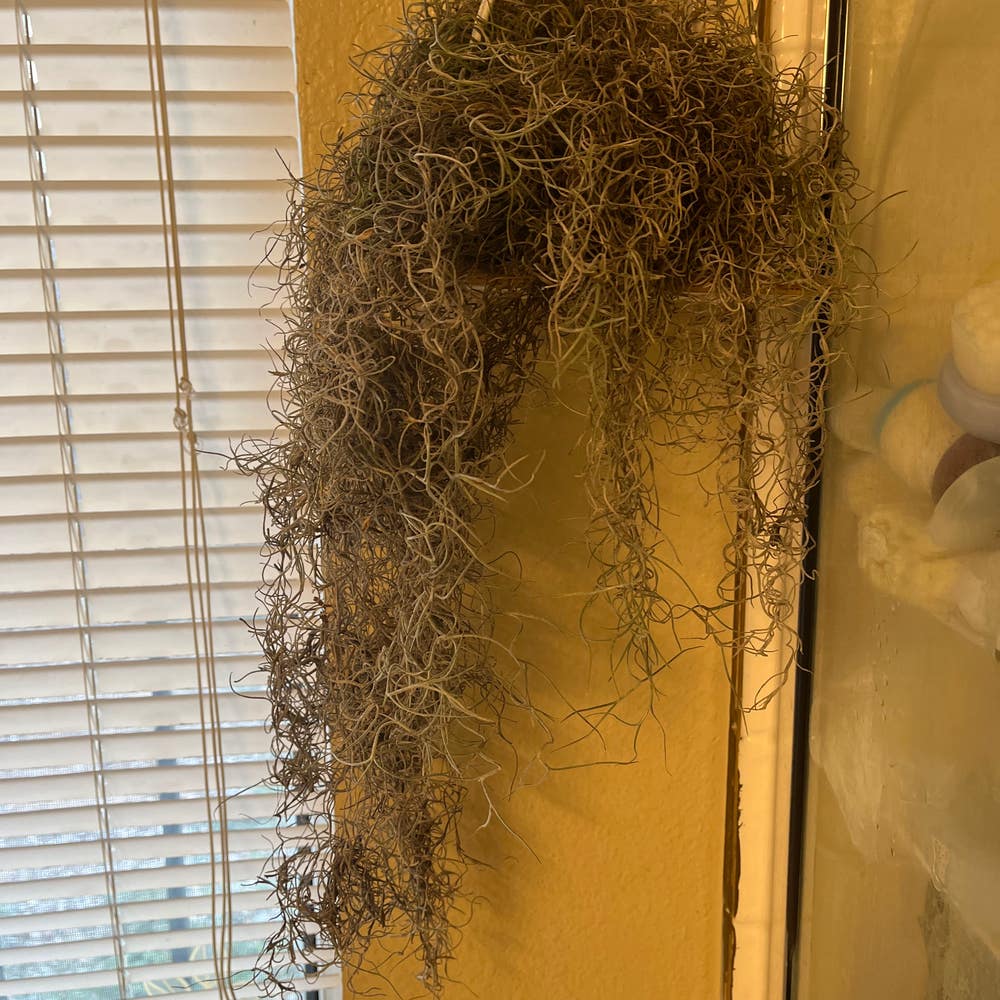
How to Prune Spanish Moss
Tillandsia usneoides
By the Greg Editorial Team
Jun 17, 2024•5 min read
This article was created with the help of AI so we can cover more plants for you. May contain errors. See one? Report it here.
Revitalize your Spanish Moss 🌿 with timely pruning tips for a lush, healthy drapery!
- Prune in late winter/early spring to stimulate growth and minimize stress.
- Use clean, appropriate tools like secateurs and loppers for healthy cuts.
- Balance aesthetics and health by thinning dense clumps and removing dead strands.
Optimal Timing for Pruning Spanish Moss
Pruning Spanish Moss isn't just about snipping away; timing is crucial. To ensure vigorous growth and minimal stress, the best seasons for pruning are akin to those for many plants: late winter or early spring. This is when Spanish Moss is less active, making it the ideal time for a trim.
🌱 Why Late Winter or Early Spring?
During these seasons, the moss is in a dormant state. Pruning then is less likely to cause damage and more likely to stimulate healthy new growth. It's a period of rest for the plant, so it can recover from pruning without diverting energy from growth or flowering.
🚫 Avoiding Common Pitfalls
Pruning too late can put new growth at risk of damage or disease. It's a delicate balance; prune too early and you might hit a frost, too late and you'll stress the plant. The key is to watch the weather and the plant, looking for that sweet spot as winter wanes but before spring fully asserts itself.
🌳 Consider the Host Tree
Remember, Spanish Moss often drapes over tree branches. Heavy accumulations can block light and weigh down limbs. When pruning, it's not just about the moss; it's about the health of the host tree too. Prune in a way that maintains the tree's vigor, ensuring both the moss and the tree continue to thrive side by side.

Selecting the Right Tools for Pruning Spanish Moss
Pruning Spanish Moss requires not just any tool, but the right tool. Sharp, clean, and appropriate for the job, your choice of equipment can make or break your pruning success.
🛠️ The Arsenal of Pruning
Secateurs are your go-to for precision snips, ideal for thin strands of Spanish Moss. For thicker clumps, long-handled loppers give you the reach and power needed without a struggle. And remember, sharpness is key—dull blades mangle rather than cut, leaving your moss looking ragged.
🧼 Cleanliness is Non-Negotiable
Before you make that first cut, ensure your tools are as sterile as a medical instrument. Disease spreads faster than gossip in a small town, and dirty tools are the culprits. A quick dip in a 1:10 bleach to water solution or a TSP cleaner mix can save you a world of trouble. Rinse well to avoid corrosion.
🔄 Between Each Snip
It's not overkill; it's essential. Wipe your blades with alcohol or dip them in your chosen disinfectant between cuts. Think of it as handwashing for your tools—basic hygiene.
💡 A Note on Tool Care
While we're at it, let's talk tool maintenance. After pruning, give your tools a thorough clean. A bit of oil on the hinges keeps them moving smoothly, and a dry storage spot prevents rust. Treat them well, and they'll return the favor.

Step-by-Step Pruning Techniques
🌿 Tools You'll Need
Arm yourself with precision pruners or bonsai shears for clean cuts. Ensure they're sterilized to prevent spreading diseases.
🌱 Pruning Process
- Identify Dead or Overgrown Strands: Look for brown, gray, or overly tangled sections. These are your primary targets.
- Gentle Detangling: Use your fingers to softly separate the strands, minimizing damage to the plant.
- Strategic Snipping: Trim the dead or excess growth at the base of the unwanted strands. Aim to maintain the moss's natural draping shape.
- Thinning Out: For dense clumps, carefully tease out strands to improve air circulation. This prevents moisture buildup that could lead to rot.
🌳 Navigating Challenges
- Height: If the moss is out of reach, use a secure ladder and have a buddy spot you. Safety first!
- Weight: Heavy clumps can stress tree branches. Prune these cautiously to avoid accidental branch breakage.
- Irritation: Spanish Moss can irritate the skin, so slap on some gloves to keep your hands happy.
Remember, pruning isn’t just about aesthetics; it’s about plant health. Trim with purpose, and your Spanish Moss will thank you with lush, verdant growth.

Balancing Aesthetics and Health in Pruning
When pruning Spanish Moss, aesthetics and health go hand in hand. Your goal is to enhance its draping beauty while ensuring the vitality of both the moss and its host.
✂️ Shaping Spanish Moss
Start by removing dead or unhealthy strands; they're not doing your moss any favors. Snip them close to the base to encourage new growth. Aim to maintain the moss's natural, weeping shape, but don't be afraid to thin it out a bit. This isn't just for looks—it increases air flow and light penetration, which are crucial for plant health.
🌳 Considering the Host Tree
Remember, Spanish Moss is an epiphyte, not a parasite. It's not out to harm its host. However, heavy infestations can shade out lower leaves, potentially stressing the tree. If you notice an excessive buildup, it's time to lighten the load. Remove moss by hand, especially around the thicker branches, to prevent breakage and maintain tree vigor.
🪒 Pruning with Precision
Each cut should be deliberate. Avoid over-pruning; it's like giving a bad haircut that takes forever to grow out. Instead, focus on strategic thinning. Always use clean, sharp tools to prevent the spread of disease—think of it as surgery for your Spanish Moss.
🕰️ Timing Matters
The best time to prune is when the moss is in a growth phase, typically in the warmer, wetter months. This ensures a speedy recovery and lush regrowth. Don't go rogue with the pruning shears in the middle of a dry spell; the moss might be taking a nap, and you'll just be adding stress.
In essence, treat your Spanish Moss like the delicate, living lace it is. Prune with care, respect the host tree, and aim for that perfect balance between a stunning natural display and a healthy ecosystem.
⚠️ Safety First
This content is for general information and may contain errors, omissions, or outdated details. It is not medical, veterinary advice, or an endorsement of therapeutic claims.
Always consult a qualified healthcare professional before using any plant as food, medicine, or supplement.
Never eat any plant (or feed one to pets) without confirming its identity with at least two trusted sources.
If you suspect poisoning, call Poison Control (800) 222-1222, the Pet Poison Helpline (800) 213-6680, or your local emergency service immediately.
Spotted an error? Please report it here.
Ensure your Spanish Moss thrives with strategic pruning by letting Greg send you custom reminders 📅 during its growth phase for optimal health and aesthetics.