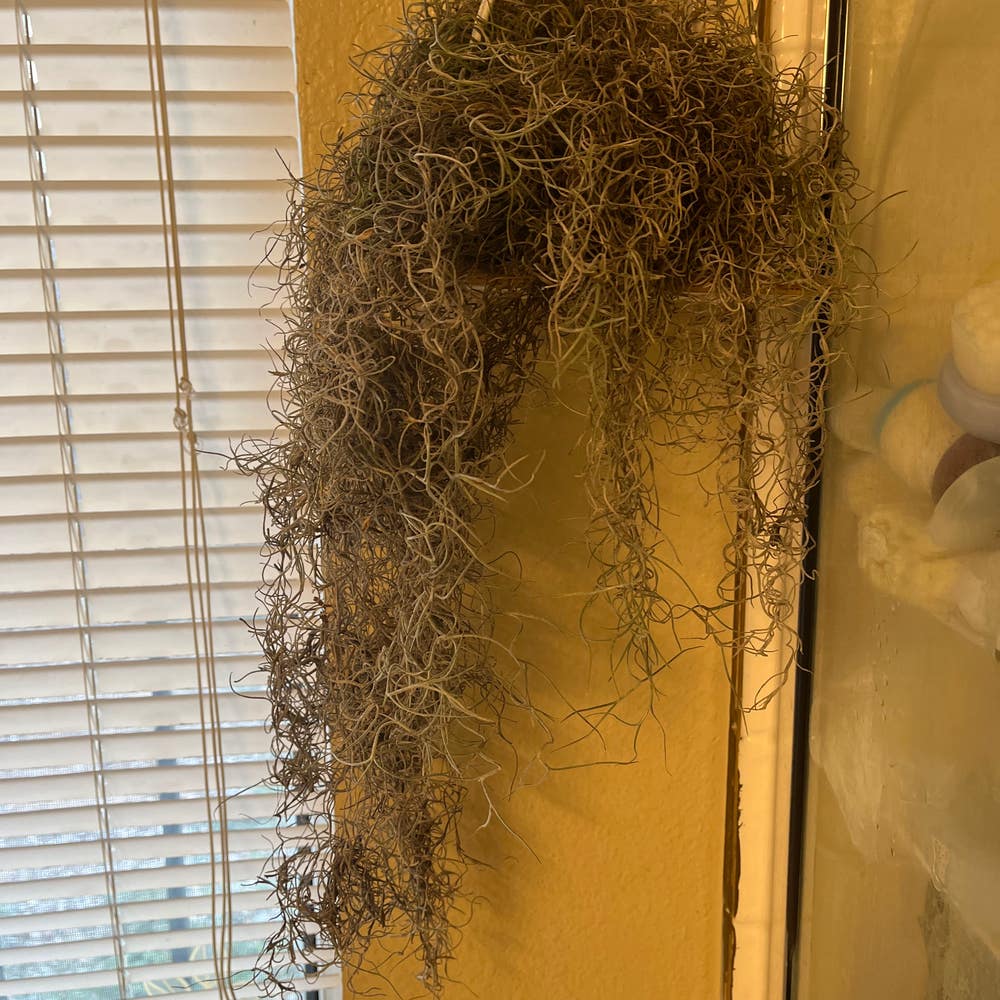
Spanish Moss - Fertilizing 101
Tillandsia usneoides
By the Greg Editorial Team
Jun 17, 2024•5 min read
This article was created with the help of AI so we can cover more plants for you. May contain errors. See one? Report it here.
Nurture ghostly Spanish Moss blooms with savvy fertilizing tips—less is more! 🌿💡
- 🌱 Fertilize in spring/summer during active growth for robust health.
- 💧 Use diluted orchid/bromeliad fertilizer monthly to avoid nutrient burn.
- 🚫 Watch for over-fertilization signs, like yellow leaves; less is more.
Optimal Fertilization Periods for Spanish Moss
Identifying the growth phases of Spanish Moss is key to its health and flowering success.
🌱 When to Fertilize
Spring and summer are prime times for fertilization, coinciding with the plant's active growth period.
⏰ Timing is Everything
Fertilize when the plant shows signs of new growth, such as fresh green strands. This indicates it's ready to absorb nutrients effectively.
🔄 Growth Cycles
Understand that Spanish Moss may have varied growth rates depending on its environment. Adjust fertilization accordingly.
🌡️ Weather Considerations
In warmer climates, Spanish Moss may grow year-round, requiring a consistent, though reduced, fertilization schedule.
💐 Flowering Phase
To encourage blooming, a slightly increased fertilizer application may be beneficial just before the onset of the plant's flowering period.
🌿 Fertilizer Type
Use a diluted orchid or bromeliad fertilizer to avoid nutrient burn, as Spanish Moss is sensitive to over-fertilization.
Remember, less is more. Overdoing it can lead to more harm than good.

Choosing the Right Fertilizer for Spanish Moss
While Spanish Moss may thrive without fertilizer, a nutrient boost can promote fuller growth and more vibrant blooms. Selecting the right fertilizer involves understanding the plant's unique needs.
💡 Appropriate Fertilizers
Balanced fertilizers are key. Opt for a product with equal parts nitrogen, phosphorus, and potassium (N-P-K), similar to what might be recommended for other air plants or orchids. Slow-release options are ideal, providing a steady supply of nutrients without the risk of overfeeding.
💧 Micronutrient Considerations
Micronutrients, though needed in trace amounts, are vital for Spanish Moss health. Look for fertilizers that include iron, manganese, and zinc. These elements support chlorophyll production and overall plant vitality. If you're using compost tea, like Organic Plant Magic, it typically contains these essential micronutrients.
🌱 Application Tips
Apply fertilizer sparingly. Spanish Moss is not a heavy feeder, and its scales are adept at capturing nutrients from the environment. A light misting with a diluted solution will suffice, ensuring the plant isn't overwhelmed by excess nutrients.
🍃 Natural vs. Synthetic
Consider natural fertilizers to avoid harsh chemicals. They not only provide N-P-K but also beneficial compounds and microbes that aid in nutrient absorption. Synthetic options may lack the broad range of nutrients found in organic products.
Remember, less is often more. When in doubt, err on the side of under-fertilizing rather than risking nutrient burn. Always follow the manufacturer's instructions, adjusting as needed based on the plant's response.

How to Fertilize Spanish Moss
💧 Step-by-Step Fertilization Guide
Spanish Moss may thrive on neglect, but a little nutrient boost can work wonders. Here's how to do it right:
- Prepare a diluted solution of house plant fertilizer, preferably one that's balanced in nitrogen, potassium, and micronutrients. Think weak tea, not espresso.
- Mist the plant with this solution monthly during the growing season—spring to early fall. If you're more of a 'soak-it' type, submerge the moss in the solution briefly, then hang it to dry.
🌿 Application Methods
- For misting, use a spray bottle to lightly coat the moss. It's like giving your plant a spa day, minus the cucumber slices.
- If soaking, let the moss party in the fertilizer bath for a few minutes, then ensure it's thoroughly drained. Nobody likes soggy moss.
📅 Fertilization Frequency
- Once a month is your golden rule here. It's enough to encourage growth without turning your moss into a nutrient glutton.
- If you notice the Spanish Moss getting a bit too brown, like a toasted marshmallow, ease up on the fertilizer. It's likely had its fill.
Remember, Spanish Moss is more minimalist than a Scandinavian living room—it doesn't ask for much. Keep it simple, and you'll both be happier for it.

Recognizing and Managing Over-Fertilization in Spanish Moss
🚨 Signs of Over-Fertilization
Over-fertilization can turn your Spanish Moss from an ethereal garden sprite into a crispy brown mess. Yellow or brown leaves are your first red flag. If the roots look more like something you'd find in a haunted forest—blackened or limp—that's another SOS signal. And if your moss is wilting despite the soil feeling like a damp sponge, you've probably been a bit too generous with the nutrient love.
🚑 Immediate Steps to Take
Caught your Spanish Moss with a nutrient hangover? Stop the fertilizer flow immediately. If you see a crust of fertilizer on the soil, it's time for an intervention—remove that stuff. Flood the area with water to flush out the excess; think of it as a detox spa for your moss. If the leaves look like they've been through a desert storm, trim the casualties. And if all else fails, consider a change of scenery with fresh, nutrient-free soil.
🌱 Long-Term Strategies for Prevention
To prevent future overindulgence, test the soil before you even think about fertilizing. When you do fertilize, follow it up with a good watering session to help distribute those nutrients. Organic compost is like a slow-release energy drink—it's less likely to cause a nutrient spike. And if you're using liquid fertilizer, dilute it more than you think you should. Remember, Spanish Moss is more of a light snacker than a feast enthusiast.
⚖️ Keeping the Balance
Maintaining the perfect nutrient balance for Spanish Moss is like walking a tightrope. Less is more—this isn't a plant that needs a weekly buffet of fertilizers. And if you're ever in doubt, err on the side of caution. After all, Spanish Moss has been hanging around just fine without human intervention for a long time. Keep it simple, and your Spanish Moss will keep gracing your garden with its ghostly beauty.
⚠️ Safety First
This content is for general information and may contain errors, omissions, or outdated details. It is not medical, veterinary advice, or an endorsement of therapeutic claims.
Always consult a qualified healthcare professional before using any plant as food, medicine, or supplement.
Never eat any plant (or feed one to pets) without confirming its identity with at least two trusted sources.
If you suspect poisoning, call Poison Control (800) 222-1222, the Pet Poison Helpline (800) 213-6680, or your local emergency service immediately.
Spotted an error? Please report it here.
Nurture your Spanish Moss to ghostly perfection 🌿 with Greg's tailored fertilization reminders, matching its unique growth and blooming cycles.