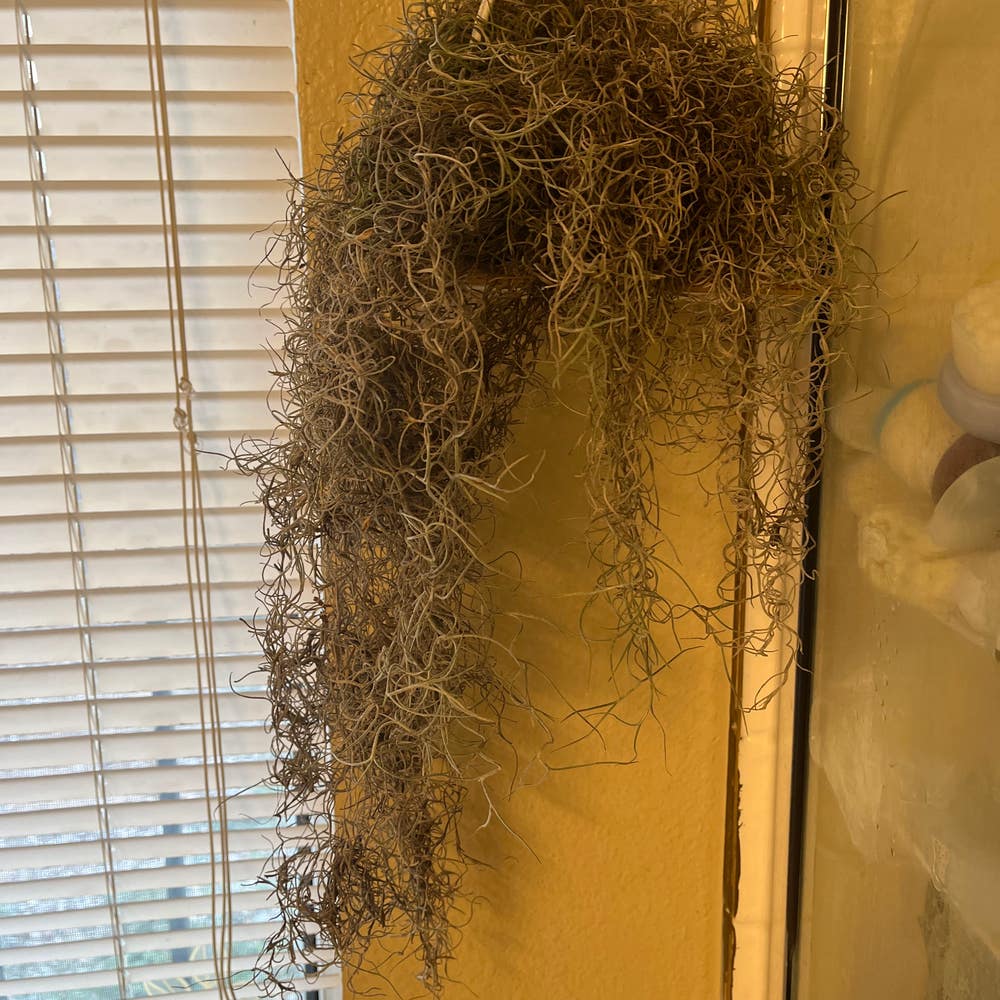
🌳 Spanish Moss: How to Plant
Tillandsia usneoides
By the Greg Editorial Team
Sep 30, 2024•5 min read
This article was created with the help of AI so we can cover more plants for you. May contain errors. See one? Report it here.
Unlock lush growth of Spanish Moss 🌱 by mastering the key differences between planting and transplanting for your garden!
- 🌱 Planting new Spanish Moss allows better location choice and cost-effective propagation.
- 🌞💧 Optimal conditions include indirect sunlight and high humidity for healthy growth.
- ✂️ Transplanting requires care to minimize shock; acclimate gradually for best results.
Importance of Planting vs. Transplanting
When it comes to Spanish Moss, understanding the difference between planting new specimens and transplanting established ones is crucial. Each approach has its unique methods and considerations that can significantly impact your success.
🌱 New Planting vs. Transplanting
New planting involves starting from scratch, giving you the chance to choose the best location and conditions for your Spanish Moss. On the other hand, transplanting established plants can be a bit trickier, as it requires careful handling to minimize stress and damage.
⚖️ Benefits and Drawbacks
Cost: New planting can be more economical, as you can often propagate from existing plants. Transplanting may incur costs related to labor and potential loss of the original plant.
Time to Maturity: Newly planted Spanish Moss takes time to establish, while transplanting can yield quicker results if done correctly. However, the latter may lead to transplant shock, delaying growth.
Adaptability: New plants can be tailored to local conditions, while established plants may struggle if moved to a less suitable environment. Understanding these factors can help you make informed decisions about your Spanish Moss journey.
In summary, whether you choose to plant new Spanish Moss or transplant established specimens, each method has its own set of advantages and challenges. This knowledge sets the stage for successful growth, leading us to the next steps in planting new Spanish Moss.
Planting New Spanish Moss
🌱 Optimal Timing for Planting
Spring and early summer are the prime seasons for planting Spanish Moss. During these months, temperatures are warm, and humidity levels are high, creating ideal conditions for growth.
Align your planting with the natural growth cycle of Spanish Moss. This ensures that the plant can establish itself effectively in its new environment.
🪴 Selecting the Right Soil Mix and Containers
Spanish Moss thrives without traditional soil. Instead, it prefers a well-draining medium that mimics its natural habitat.
For containers, consider using hanging baskets or wire frames. These options allow the moss to grow freely and receive adequate airflow.
📏 Proper Depth and Spacing for Planting
When planting, no soil depth is required. Simply attach the moss to surfaces or allow it to hang freely.
For spacing, aim for 12-24 inches apart between strands. This distance promotes airflow and prevents overcrowding.
💧 Tips for Maintaining Ideal Growing Conditions
Spanish Moss loves indirect sunlight. Avoid placing it in harsh, direct sunlight to prevent damage.
Humidity is crucial; maintain high levels by misting regularly, especially if grown indoors. The ideal temperature range is between 60°F to 80°F (15°C to 27°C).
🌤️ Hardening Off Process Before Outdoor Planting
Before moving your Spanish Moss outdoors, gradually acclimate it to the new conditions over 1-2 weeks.
Start with a few hours of outdoor exposure each day, gradually increasing the time to help the plant adjust smoothly.
Transitioning to the next section, understanding how to transplant established Spanish Moss will further enhance your gardening skills.
Transplanting Established Spanish Moss
🌱 Optimal Timing for Transplanting
Transplanting Spanish Moss is best done in late spring to early summer. This timing aligns with its active growth phase, ensuring a smoother establishment in its new location.
🛠️ Step-by-Step Instructions for Transplanting
Removing the Plant from Its Current Location
- Gently detach the moss from its host tree or surface.
- Use scissors to cut any tightly bound strands.
- Take care to minimize damage to the plant during this process.
Preparing the New Planting Site
- Choose a location that receives indirect sunlight and maintains high humidity.
- Ensure the new surface is clean and free of debris to promote healthy growth.
Ensuring Proper Placement and Spacing
- Position the Spanish Moss at your desired height for aesthetic appeal.
- Space the strands 12-24 inches apart to allow for adequate airflow.
💧 Tips for Watering, Mulching, and Providing Support
- Watering: Mist the moss regularly to maintain humidity, but avoid over-saturation.
- Mulching: If using a container, consider organic materials to help retain moisture.
- Support: Utilize wire frames or hanging baskets to provide stability for the moss.
Transplanting Spanish Moss can be a rewarding experience, allowing you to create a lush, natural aesthetic in your garden. With the right timing and care, your moss will thrive in its new home, setting the stage for vibrant growth and beauty.
Troubleshooting Common Issues
Addressing Transplant Shock 🌱
Transplant shock can be a real concern for Spanish Moss. Symptoms include wilting, browning tips, or a noticeable loss of color.
To combat this, ensure the moss receives adequate moisture. It's also crucial to avoid direct sunlight immediately after transplanting to help it acclimate.
Solutions for Establishment Problems 🛠️
If your Spanish Moss is showing signs of poor establishment, such as slow growth or yellowing, it’s time to take action.
Adjusting humidity levels can make a significant difference. Additionally, ensure it gets the right amount of light exposure to thrive.
Common Pests and Diseases Affecting Spanish Moss 🐛
Spanish Moss can attract pests like aphids and spider mites. Regular inspection is essential to catch these issues early.
To prevent diseases, maintain healthy growing conditions. Keeping your moss in optimal environments will help it flourish and stay pest-free.
With these troubleshooting tips, you can nurture your Spanish Moss back to health and ensure it thrives in its new home. Next, let’s explore the best practices for maintaining your moss’s ideal growing conditions.
⚠️ Safety First
This content is for general information and may contain errors, omissions, or outdated details. It is not medical, veterinary advice, or an endorsement of therapeutic claims.
Always consult a qualified healthcare professional before using any plant as food, medicine, or supplement.
Never eat any plant (or feed one to pets) without confirming its identity with at least two trusted sources.
If you suspect poisoning, call Poison Control (800) 222-1222, the Pet Poison Helpline (800) 213-6680, or your local emergency service immediately.
Spotted an error? Please report it here.
Planting Spanish Moss can be a breeze with Greg's tailored reminders 🌱 to keep humidity high and light just right for thriving growth!