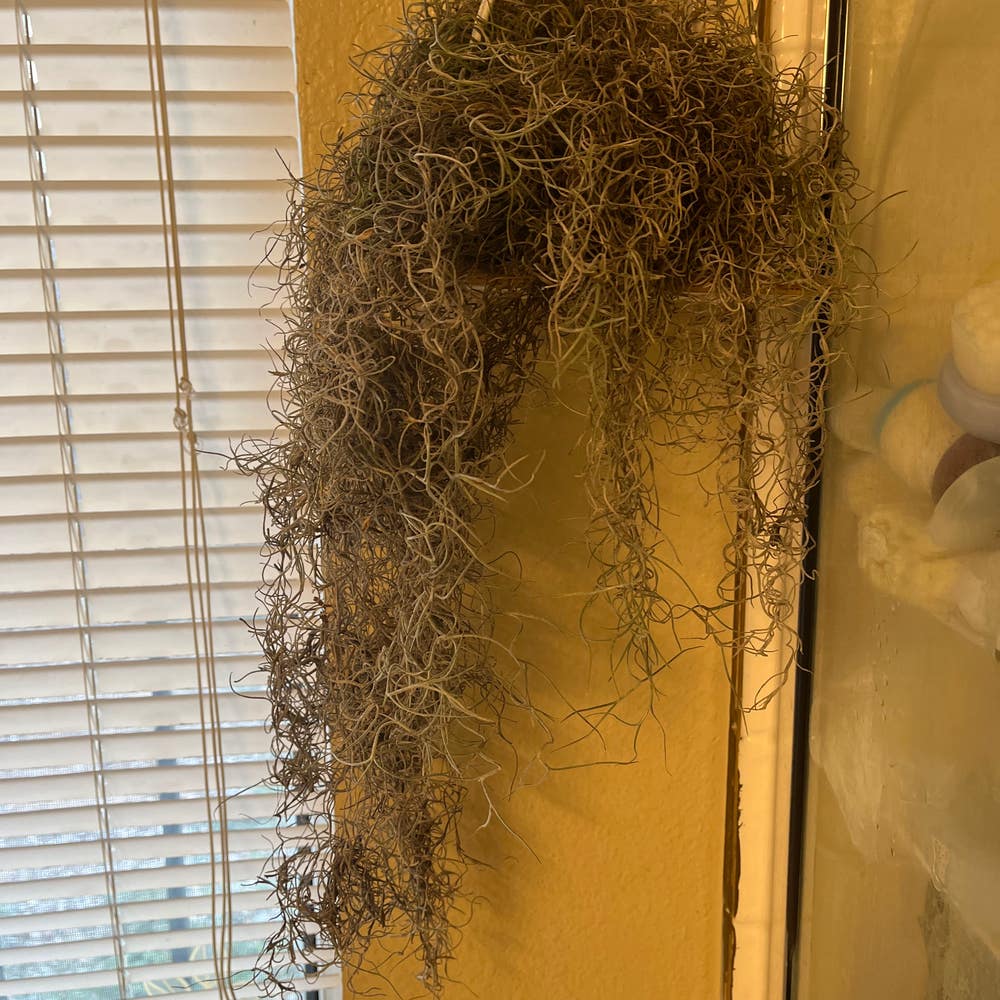
Why Are My Spanish Moss Leaves Droopy?
Tillandsia usneoides
By the Greg Editorial Team
Jun 17, 2024•5 min read
This article was created with the help of AI so we can cover more plants for you. May contain errors. See one? Report it here.
Revitalize droopy Spanish Moss with the perfect moisture-light balance! 🌿💧
- Adequate moisture is key to preventing droopy Spanish Moss.
- 🌤️ Bright, indirect light and proper humidity maintain health.
- Regular pruning and maintenance are essential for vitality.
Identifying the Causes of Droopiness in Spanish Moss
💧 Signs of Dehydration
Spanish Moss, like any other plant, craves moisture. Dehydration is often the villain behind droopy leaves. Look for a wrinkled appearance or leaves that seem more tired than a Monday morning commuter. If your Spanish Moss is looking as sad as a deflated balloon, it's time to quench its thirst.
🚱 The Importance of Proper Watering
Watering Spanish Moss isn't rocket science, but it does require a bit of finesse. Overwatering can be just as harmful as not watering at all. If the leaves start turning as yellow as a school bus or as brown as a chocolate bar, you've likely gone overboard. The plant's roots need to breathe, and too much water drowns the party.
🌊 Recognizing the Symptoms of Overwatering
Overwatering is the equivalent of forcing your plant to wear a wet sweater—uncomfortable and unhealthy. Signs include leaves that are as limp as overcooked spaghetti and a general appearance that's more mush than muscle. If the soil feels soggier than a marshmallow in hot chocolate, it's time to cut back on the H2O.

Correct Watering Practices for Spanish Moss
💧 How to Water Spanish Moss Correctly
Spanish Moss thrives on balance. Overzealous watering leads to a soggy demise, while neglect turns it into a brown, crispy relic. To hit the sweet spot, mist your moss regularly, ensuring it gets just enough to drink without drowning. In drier conditions, a weekly misting session might be necessary to keep it from desiccating into oblivion.
🌬️ The Role of Humidity in Spanish Moss Health
Humidity is the Spanish Moss's best friend; it's like a comforting hug for this air plant. If your home is more Sahara than Amazon, consider placing your moss in the bathroom where showers can boost the humidity. Alternatively, a humidifier can work wonders. Just remember, while Spanish Moss loves moisture in the air, it's not a fan of wet feet, so let it dry out between waterings.

The Impact of Light on Spanish Moss Health
💡 Understanding the Right Light Conditions
Spanish Moss thrives in bright, indirect light. Direct sunlight is a no-go; it's like a vampire at a beach party—just doesn't mix well. The leaves can get scorched, leading to a crispy, unhappy moss. Think of it as sunburn for plants.
🌱 Adjusting Light Exposure
To prevent droopiness, monitor your moss's light diet. If it's looking a bit pale and limp, it might be craving more light. Move it closer to a window, but not too close. You're aiming for that sweet spot where the light is bright enough to keep it perky, but not so intense that it starts to fry. Dappled sunlight is the moss's jam, mimicking its natural habitat under tree canopies.
Remember, light and water are BFFs in the plant world. Too little light means less water needed—don't drown your moss in a soggy mess. Adjust watering according to light levels to keep that balance on point.

Managing Environmental Stressors
🌡️ Temperature Fluctuations and Spanish Moss
Spanish Moss thrives within a specific temperature range. While it can handle some variation, extreme shifts can be problematic. Indoor environments should avoid low humidity, especially during winter, which can lead to dehydration. Outdoors, Spanish Moss can weather a light frost, but only when dry. Protecting it from freezing is crucial, as frost damage can be severe.
💨 Ensuring Adequate Air Circulation
Proper air circulation is non-negotiable for Spanish Moss health. It helps regulate temperature and humidity levels, reducing risks like mold. However, too much of a good thing, like excessive fan use, can lead to increased water needs and potential dehydration. Striking a balance is key; think of it as setting the thermostat to a comfortable 'just right'.
🌍 Environmental Adjustments for Optimal Health
Keep a close eye on the thermometer and humidity gauge. Avoid drafts and direct heat sources that can cause drastic temperature changes. If you're dealing with a heatwave, don't overwater; instead, create a microclimate that feels like a cool oasis. And remember, a clean environment helps too—remove debris and regularly wipe down your Spanish Moss to ensure it can breathe easy.
Pruning and Maintenance Strategies
🌿 Techniques for Pruning Spanish Moss
Pruning Spanish Moss isn't rocket science, but it's not a hack job either. Trim the dead or overly long strands to keep it looking lively and prevent it from getting too heavy. Use sharp scissors for a clean cut; it's like giving your moss a precision haircut. Timing is also crucial—spring or early summer is your best bet, as the plant is in its growth spurt.
🛁 Regular Maintenance: The Unsung Hero
Regular check-ups are your Spanish Moss's best friend. Inspect for pests, dust, and debris, and give it a gentle wipe-down with a damp cloth if needed. This isn't just about keeping it pretty; it's about letting it breathe and photosynthesize without a layer of gunk. And remember, a little airflow never hurt anybody—Spanish Moss included.
🔄 The Importance of Consistency
Don't wait for your Spanish Moss to send an SOS. Consistency in care is key. Make pruning and maintenance a part of your routine, like brushing your teeth or checking your email. It's not the most glamorous part of plant parenting, but it's what keeps your green buddy thriving, not just surviving.
⚠️ Safety First
This content is for general information and may contain errors, omissions, or outdated details. It is not medical, veterinary advice, or an endorsement of therapeutic claims.
Always consult a qualified healthcare professional before using any plant as food, medicine, or supplement.
Never eat any plant (or feed one to pets) without confirming its identity with at least two trusted sources.
If you suspect poisoning, call Poison Control (800) 222-1222, the Pet Poison Helpline (800) 213-6680, or your local emergency service immediately.
Spotted an error? Please report it here.
Ensure your Spanish Moss is never droopy 💧 with Greg's custom reminders for ideal watering and humidity, tailored to your home's unique environment.