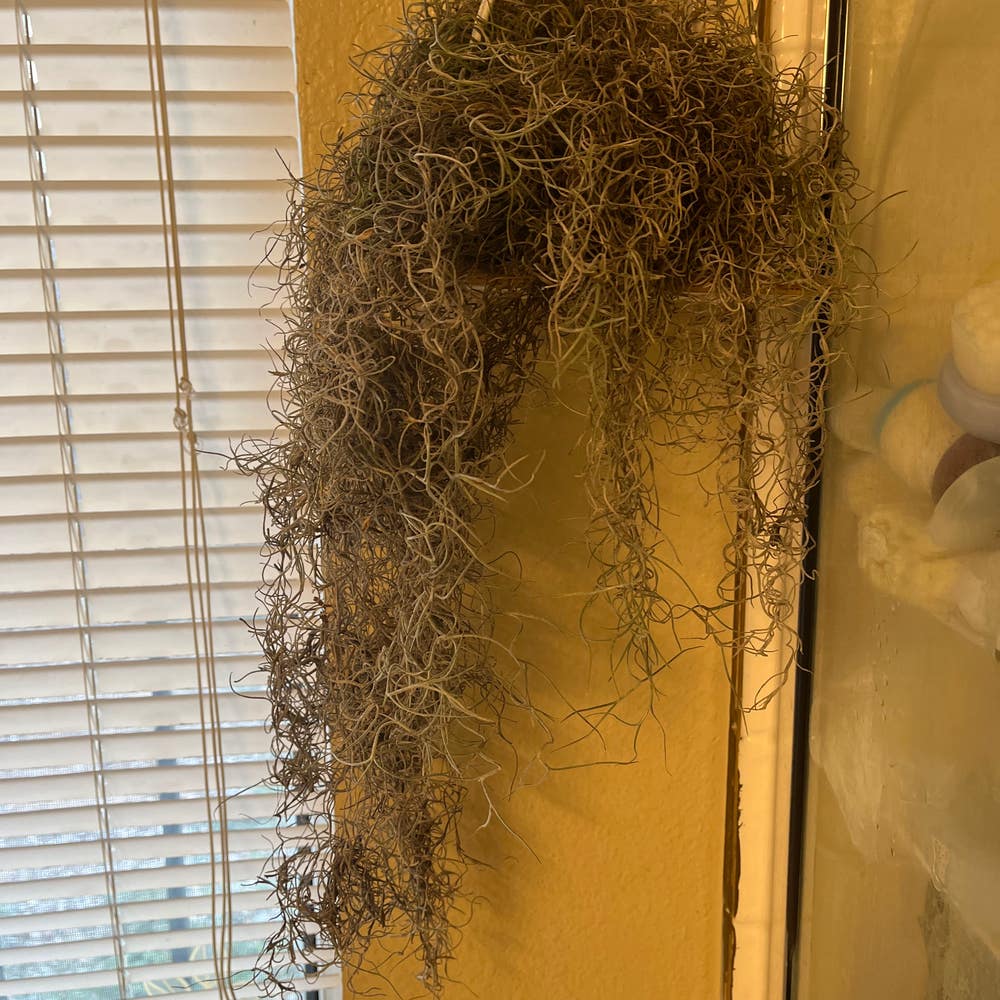
The Best Pollinators for Your Spanish Moss 🐝
Tillandsia usneoides
By the Greg Editorial Team
Sep 30, 2024•6 min read
This article was created with the help of AI so we can cover more plants for you. May contain errors. See one? Report it here.
Uncover how Spanish Moss flourishes by attracting essential pollinators with its unique flowers! 🌼🌱
- 🌸 Spanish Moss attracts hummingbirds, bees, and butterflies with its unique flowers.
- 🌿 Cross-pollination enhances genetic diversity, vital for Spanish Moss reproduction.
- 🌍 Creating a pollinator-friendly environment boosts biodiversity and supports pollination success.
Flower Structure
Description of Flower Characteristics 🌸
Spanish Moss features small, tubular flowers that are typically pale purple or white. These delicate blooms cluster along the stem, creating a visually appealing display that attracts various pollinators.
Role of Flower Characteristics in Pollination 🐝
The unique shape and color of these flowers are adaptations designed to attract specific pollinator species. These characteristics also facilitate cross-pollination, which enhances genetic diversity and resilience in the plant population.
Adaptations for Attracting Pollinators 🦋
Spanish Moss has evolved to draw in its primary pollinators through visual and olfactory cues. The tubular shape of the flowers is particularly inviting to hummingbirds, while the color and scent appeal to bees and butterflies.
Mechanisms for Cross-Pollination 🔄
Cross-pollination is vital for the genetic health of Spanish Moss. By encouraging interactions between different plants, these flowers promote a diverse gene pool, which is essential for adaptability and survival in changing environments.
This understanding of flower structure and its role in pollination sets the stage for exploring the pollination process itself. Let’s dive into how Spanish Moss relies on its pollinators to thrive.
Pollination Process
Cross-Pollination 🌼
Spanish Moss primarily relies on cross-pollination for reproduction. This process enhances genetic diversity, making the plant more resilient to environmental changes.
Primary Pollinator Species 🐝
Bees
Bees play a crucial role in transferring pollen from flower to flower. Their attraction to Spanish Moss is driven by the scent and color of the flowers, which signal a rewarding nectar source.
Butterflies 🦋
Butterflies also contribute significantly to pollination. They prefer warm, sunny conditions, making them active participants during the day.
Hummingbirds 🐦
Hummingbirds are uniquely suited to interact with the tubular flowers of Spanish Moss. Their need for nectar makes them vital for successful pollination, especially when flowers are in bloom.
Attraction Mechanisms 🎨
Visual Cues
The color and arrangement of flowers serve as visual cues that attract pollinators. Bright colors can signal to bees and butterflies that a flower is a good source of nectar.
Olfactory Cues 👃
The scent emitted by flowers is another powerful attraction mechanism. Pollinators are often drawn to specific fragrances that indicate the presence of nectar.
Environmental Factors 🌡️
Environmental factors, such as temperature and humidity, can enhance pollinator activity. Ideal conditions encourage more frequent visits from these essential species, boosting the chances of successful pollination.
Understanding these dynamics is key to fostering a thriving ecosystem around your Spanish Moss. Next, we’ll explore natural pollination and its significance in maintaining plant health and diversity.
Natural Pollination
🌬️ Pollen Transfer Mechanisms
Natural pollination is a fascinating process that involves both wind and animal-mediated pollen transfer. While wind can carry pollen over distances, animals, particularly insects, play a crucial role in ensuring effective pollen movement.
Humidity is another key player in this process. It helps pollen grains remain viable and facilitates their movement, making it easier for pollinators to do their job.
🌼 Importance of Pollination
Successful pollination is vital for seed production in Spanish Moss. Without it, plants can't reproduce, which can lead to dwindling populations.
Moreover, genetic diversity is a significant benefit of pollination. It enhances plant resilience and adaptability, allowing species to thrive in changing environments.
Understanding these mechanisms not only highlights the importance of pollinators but also sets the stage for exploring how we can support them in our gardens.
Hand Pollination Techniques
Hand pollination can be a rewarding way to ensure the successful reproduction of your Spanish Moss. Here’s a straightforward guide to help you navigate the process.
Step 1: Identifying Male and Female Flower Parts 🌸
To begin, you need to distinguish between the male and female flower parts. The stamens, which produce pollen, are typically slender and elongated, while the pistils, where pollen is deposited, are often more bulbous.
Step 2: Collecting Pollen 🧹
Next, gather your tools. A small brush or cotton swab works best for collecting pollen. Timing is crucial; early morning is ideal for pollen collection when flowers are most receptive.
Step 3: Transferring Pollen 🔄
Now, it’s time to transfer the pollen. Gently apply the collected pollen to the stigma of the flower. Ensure good contact to increase the chances of successful fertilization.
Step 4: Monitoring for Successful Fertilization 👀
Finally, keep an eye on the flowers. Look for signs of successful pollination, such as swelling in the ovary, which indicates seed development. This step is essential for understanding the effectiveness of your hand pollination efforts.
By following these steps, you can actively participate in the reproductive process of your Spanish Moss. This hands-on approach not only enhances your gardening skills but also fosters a deeper connection with nature. Next, let’s explore how to support pollinators in your environment.
Supporting Pollinators
🌼 Creating a Pollinator-Friendly Environment
To support pollinators, start by planting native species that naturally attract them. Native plants are adapted to local conditions and provide essential resources for bees, butterflies, and hummingbirds.
Additionally, ensure there are water sources and shelter available. Simple features like shallow dishes of water or small brush piles can make a big difference in attracting and sustaining pollinator populations.
🌱 Companion Plants
Consider incorporating companion plants such as milkweed for butterflies and bee balm for bees. These plants not only attract specific pollinators but also contribute to a vibrant ecosystem.
Biodiversity is key in this effort. A variety of plants will draw in different pollinator species, enhancing the overall health of your garden and ensuring effective pollination for your Spanish Moss.
By fostering a welcoming environment for these vital creatures, you can enjoy a flourishing garden while supporting the ecosystem.
Next, let’s explore the challenges pollinators face and how we can mitigate these obstacles.
Pollination Challenges
🌪️ Common Obstacles
Pollination faces several challenges, primarily due to environmental factors. Temperature and humidity fluctuations can disrupt the delicate balance needed for effective pollination.
Another significant issue is the decline in pollinator species, largely driven by habitat loss. Urbanization and agricultural expansion have reduced the natural environments that support these vital creatures.
🛠️ Solutions
Creating a conducive environment for pollinators is essential. Planting native species can attract a variety of pollinators, providing them with the resources they need to thrive.
In addition to fostering natural habitats, hand pollination can serve as a reliable backup. Timing is crucial; knowing when to intervene can make all the difference in ensuring successful fertilization.
🌍 Impact of Environmental Factors
Temperature and humidity play critical roles in pollinator activity and pollen viability. High temperatures can lead to pollen desiccation, while excessive humidity may hinder pollen transfer.
Seasonal variations also affect the pollination process. Understanding these changes can help gardeners and plant enthusiasts adapt their strategies to support pollinators effectively.
By addressing these challenges, we can enhance the health of our ecosystems and ensure the continued success of plants like Spanish Moss.
⚠️ Safety First
This content is for general information and may contain errors, omissions, or outdated details. It is not medical, veterinary advice, or an endorsement of therapeutic claims.
Always consult a qualified healthcare professional before using any plant as food, medicine, or supplement.
Never eat any plant (or feed one to pets) without confirming its identity with at least two trusted sources.
If you suspect poisoning, call Poison Control (800) 222-1222, the Pet Poison Helpline (800) 213-6680, or your local emergency service immediately.
Spotted an error? Please report it here.
Create a pollinator paradise 🌼 for your Spanish Moss with Greg's tailored tips, ensuring your plants thrive and attract the buzzing friends they need for successful reproduction!