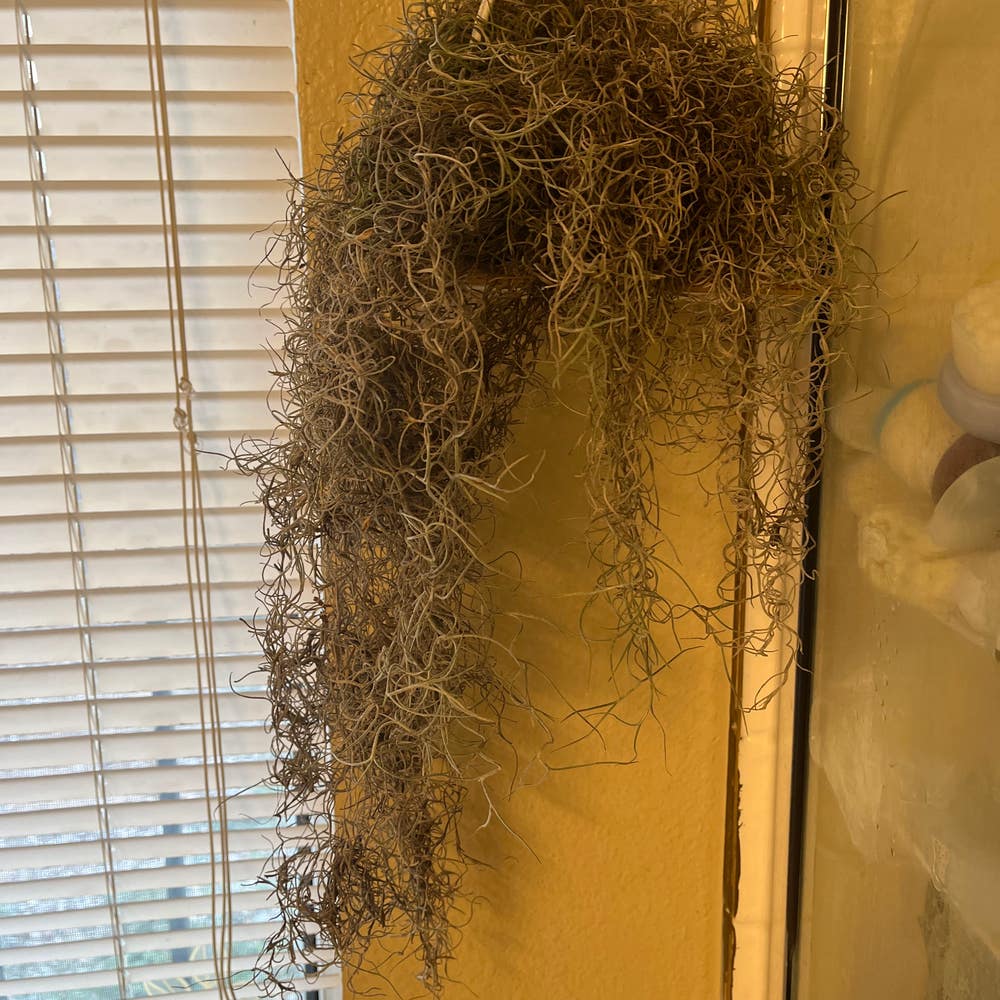
🌾 3 Quick Fixes for Spanish Moss Bloom Problems
Tillandsia usneoides
By the Greg Editorial Team
Sep 30, 2024•5 min read
This article was created with the help of AI so we can cover more plants for you. May contain errors. See one? Report it here.
Transform your Spanish moss into a blooming beauty 🌿 with essential tips on light, nutrients, and care!
- 🌞 Bright, indirect light for 6-8 hours daily is essential for blooming success.
- 🌿 Nutritional deficiencies hinder blooms; use bromeliad fertilizer every 4-6 weeks.
- 💧 Maintain humidity between 50-70% to encourage optimal flower development in Spanish moss.
Common Problems Affecting Blooming
🌸 Failure to Bloom: Causes and Solutions
When your Spanish moss refuses to bloom, it can be frustrating. Here are the main culprits:
- Insufficient Light Exposure: Spanish moss thrives in bright, indirect light. Without it, flowering can stall.
- Nutritional Deficiencies: A lack of essential nutrients can hinder flower development, leaving your plant looking lackluster.
- Environmental Stress: Changes in humidity or temperature can disrupt the bloom cycle, causing your plant to hold back.
To encourage blooming, consider these solutions:
- Adjust Light Conditions: Move your plant to a brighter spot or supplement with grow lights.
- Fertilize Appropriately: Use a bromeliad-specific fertilizer every 4-6 weeks during the growing season to boost nutrient levels.
- Monitor Environmental Conditions: Keep humidity levels stable (around 50-70%) and temperatures between 60°F to 80°F.
🌼 Premature Flower Drop: Causes and Solutions
Experiencing premature flower drop? This can be disheartening, but understanding the causes can help.
- Sudden Changes in Humidity: Rapid fluctuations can stress your plant, leading to bud drop.
- Inadequate Air Circulation: Poor airflow can create a breeding ground for fungal issues, stressing your plant further.
Here’s how to tackle this problem:
- Gradually Acclimate to New Humidity Levels: Avoid sudden changes; consider using a humidifier to maintain consistency.
- Improve Air Circulation: Place your plant in a well-ventilated area or use a fan to promote airflow.
🌺 Abnormal Flower Development: Causes and Solutions
If your flowers are developing abnormally, it’s time to investigate.
- Pests or Diseases: Infestations can disrupt normal flower growth, leading to unsightly blooms.
- Improper Pruning: Incorrect techniques can damage flower buds, stunting development.
To remedy these issues, follow these steps:
- Inspect Regularly: Look for signs of pests, such as webbing or discoloration, and treat them promptly.
- Use Proper Pruning Techniques: Only prune dead or damaged parts to avoid harming healthy flower buds.
By addressing these common problems, you can help your Spanish moss thrive and bloom beautifully. Next, let’s explore the environmental factors that impact flowering.
Environmental Factors Impacting Flowering
🌞 Light Requirements for Optimal Blooming
To achieve vibrant blooms, Spanish moss thrives in bright, indirect sunlight for about 6-8 hours daily. Direct sunlight can scorch the delicate leaves, so it’s essential to provide a gentle light source.
If your plant is struggling with light exposure, consider using sheer curtains or shade cloth. These adjustments can help diffuse harsh light, creating a more suitable environment for blooming.
🍽️ Nutritional Needs for Healthy Flower Development
Essential nutrients play a crucial role in the blooming process. Nitrogen, phosphorus, and potassium are key players that support flower development.
To ensure your Spanish moss gets the nutrients it needs, apply a diluted bromeliad fertilizer every 4-6 weeks during the growing season. This regular feeding will help promote healthy growth and vibrant flowers.
💧 Importance of Humidity and Air Circulation
Humidity levels significantly impact the health of your Spanish moss. Aim to maintain humidity between 50-70% for optimal growth and blooming.
In addition to humidity, good air circulation is vital. Ensuring proper airflow helps prevent mold and encourages healthy growth, allowing your plant to flourish.
With these environmental factors in check, your Spanish moss will be well on its way to producing beautiful blooms. Next, let’s explore effective pruning techniques that can further encourage flowering.
Pruning Techniques to Encourage Blooming
✂️ When and How to Prune
Pruning your Spanish moss is essential for encouraging vibrant blooms. The best time to prune is early spring, just before the bloom cycle kicks off.
Use clean, sharp scissors to carefully remove any dead or damaged fronds. This technique ensures you don’t harm the healthy growth, allowing your plant to thrive.
🌼 Effects of Pruning on Flower Production
Pruning offers several benefits that directly impact flower production. It encourages new growth, which can lead to more abundant flowering.
Additionally, removing dead material helps eliminate potential disease carriers. This promotes overall plant health, setting the stage for a stunning bloom display.
Incorporating these pruning techniques into your care routine can make a significant difference. With the right approach, you’ll be well on your way to enjoying a flourishing Spanish moss garden.
Next, let’s explore how environmental factors like light and humidity play a crucial role in flowering success.
Troubleshooting Flowering Problems
Identifying Signs of Stress 🌱
Recognizing stress in your Spanish moss is crucial for maintaining its health. Common indicators include yellowing leaves, wilting, or stunted growth.
Environmental factors play a significant role in these symptoms. Keep an eye on changes in humidity, light, and temperature to catch issues early.
Quick Fixes for Common Flowering Issues ⚡️
When you notice stress signs, immediate action is essential. Adjust light and humidity levels promptly to create a more favorable environment.
If you suspect nutritional deficiencies, fertilize your plant with a bromeliad-specific fertilizer. This can quickly boost its health and encourage blooming.
For long-term solutions, make it a habit to regularly inspect your plant for pests. Maintaining proper care routines will help prevent future issues and keep your Spanish moss thriving.
With these troubleshooting tips, you can ensure your Spanish moss remains vibrant and ready to bloom beautifully.
⚠️ Safety First
This content is for general information and may contain errors, omissions, or outdated details. It is not medical, veterinary advice, or an endorsement of therapeutic claims.
Always consult a qualified healthcare professional before using any plant as food, medicine, or supplement.
Never eat any plant (or feed one to pets) without confirming its identity with at least two trusted sources.
If you suspect poisoning, call Poison Control (800) 222-1222, the Pet Poison Helpline (800) 213-6680, or your local emergency service immediately.
Spotted an error? Please report it here.
Unlock vibrant blooms for your Spanish moss 🌼 with Greg's tailored reminders for light and humidity adjustments, ensuring your plant gets the care it craves!