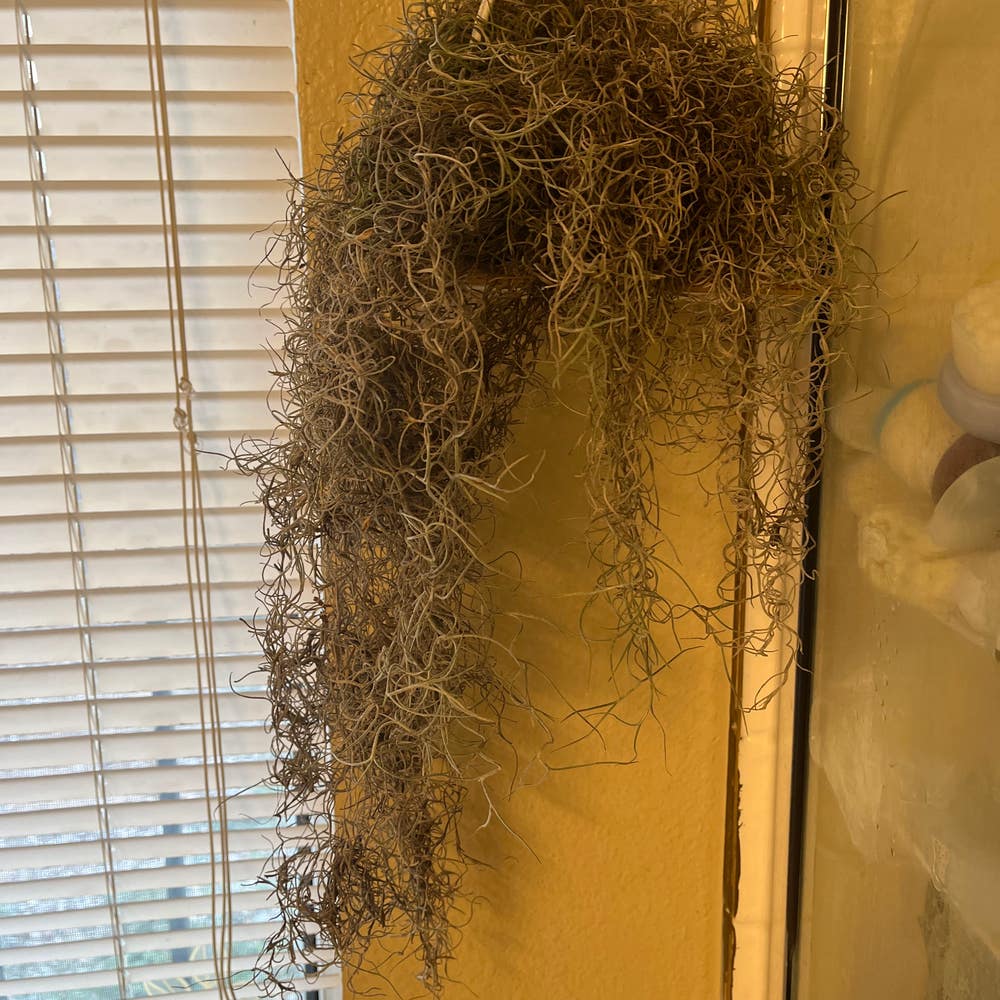
🌿 Spanish Moss Is a Perennial
Tillandsia usneoides
By the Greg Editorial Team
Sep 30, 2024•5 min read
This article was created with the help of AI so we can cover more plants for you. May contain errors. See one? Report it here.
Unlock the secrets of Spanish Moss's resilience 🌱 and transform your garden with effortless beauty year after year! 🌿
- 🌱 Spanish Moss is a perennial, thriving for years with seasonal adaptations.
- 💧 It absorbs moisture from the air, ensuring resilience in challenging environments.
- ☀️ Indirect light and humidity are crucial for its growth and longevity.
Characteristics of Spanish Moss as a Perennial
🌱 Multi-Year Lifecycle
Spanish Moss is a fascinating perennial that thrives over multiple years. It adapts seamlessly to seasonal changes, showcasing a lifecycle that is both resilient and dynamic.
During cooler months, growth slows down, allowing the plant to conserve energy. However, as temperatures rise and humidity increases, Spanish Moss accelerates its growth, creating a lush, vibrant appearance.
🌿 Regrowth from Roots
One of the remarkable features of Spanish Moss is its robust root system. This strong foundation enables the plant to regrow each year, ensuring its survival through various conditions.
Spanish Moss has a unique ability to draw moisture and nutrients directly from the air. This mechanism not only supports its perennial nature but also allows it to thrive in environments where traditional plants might struggle.
The adaptability of Spanish Moss makes it a captivating subject for gardeners and nature enthusiasts alike. Understanding its lifecycle and regrowth mechanisms can enhance your appreciation for this resilient plant.
As we explore the seasonal changes and dormancy of Spanish Moss, you'll discover how these factors further influence its growth and longevity.
Seasonal Changes and Dormancy
🌱 Dormancy Periods and Growth Changes
Spanish Moss experiences dormancy during extreme weather conditions, such as drought or frost. This adaptation allows it to conserve energy and resources when environmental stressors are high.
Throughout the year, Spanish Moss exhibits distinct growth patterns.
Spring: Active Growth Phase
In spring, the plant enters an active growth phase. It absorbs increased moisture, setting the stage for a vibrant season ahead.
Summer: Peak Growth
Summer marks the peak growth period. During these warmer months, Spanish Moss showcases a lush, vibrant appearance, thriving in the humid conditions.
Fall: Preparation for Dormancy
As fall approaches, Spanish Moss begins to prepare for dormancy. Growth slows down, signaling a transition as the plant readies itself for the cooler months ahead.
Winter: Dormancy
In winter, Spanish Moss enters a state of dormancy. Growth activity is minimal, allowing the plant to conserve energy until conditions improve.
Understanding these seasonal changes is crucial for anyone looking to cultivate Spanish Moss. By recognizing its growth patterns, you can better support its health and longevity.
Next, we’ll explore the implications of Spanish Moss's perennial nature, including its effects on flowering and lifespan.
Implications of Perennial Nature
Effects on Flowering and Lifespan 🌼
Spanish Moss may occasionally produce flowers, but its primary focus is on growth and survival. This perennial plant can thrive for several years, with optimal conditions allowing some specimens to live over a decade.
Advantages for Gardeners 🌱
Once established, Spanish Moss requires minimal intervention, making it a low-maintenance choice for gardeners. Its robust root systems enhance resilience, allowing it to adapt easily to varying environmental conditions.
Incorporating Spanish Moss into your garden not only adds a unique aesthetic but also simplifies your gardening routine. As you consider its perennial nature, think about how it can enhance your outdoor space with minimal effort.
Lifespan and Longevity Factors
Expected Lifespan and Influencing Factors 🌱
Spanish Moss typically enjoys a lifespan of several years, with some specimens thriving for over a decade. This longevity is impressive, especially considering its unique growth habits and environmental adaptability.
Environmental Conditions 🌦️
The lifespan of Spanish Moss is heavily influenced by environmental factors. Humidity plays a crucial role; the plant thrives in moist conditions, while extreme dryness can hinder its growth.
Temperature is another key player. Spanish Moss prefers warm climates, and exposure to frost can significantly shorten its lifespan. Light exposure also matters; too much direct sunlight can stress the plant, while indirect light supports its health.
Care Practices 🛠️
Regular monitoring is essential for maintaining the vitality of Spanish Moss. Keeping an eye on its environment helps ensure it receives the right conditions for growth.
Protection from extreme weather is equally important. During harsh conditions, providing some shelter can help the plant survive and continue to flourish in the long run.
Understanding these factors can empower gardeners to cultivate Spanish Moss successfully. By creating an optimal environment and practicing attentive care, you can enjoy the beauty of this perennial for many years to come.
As we explore the next section, we'll delve into how Spanish Moss varies across different climate zones and the best cultivation tips to maximize its benefits.
Variations Across Climate Zones
Differences in Behavior and Tips for Cultivation 🌱
Spanish Moss is remarkably adaptable, thriving in a variety of climates, from subtropical to temperate regions. This resilience allows it to flourish in diverse environments, making it a favorite among gardeners.
Selecting Appropriate Locations 📍
To maximize the benefits of Spanish Moss, choose locations that offer adequate moisture and indirect sunlight. These conditions are crucial for its growth and overall health.
Monitoring Environmental Conditions 🌦️
Keep an eye on environmental factors throughout the seasons. Adjust your care practices based on changes in temperature and humidity to ensure optimal growth and longevity.
Practical Tips for Gardeners 🛠️
- Watering: Ensure consistent moisture, especially during dry spells.
- Light Exposure: Avoid direct sunlight, which can scorch the moss.
- Protection: Shield from extreme weather conditions to promote resilience.
By understanding these variations and implementing these tips, you can cultivate Spanish Moss successfully, enhancing your garden's beauty and biodiversity. This perennial wonder not only adds aesthetic value but also thrives with minimal intervention, making it a gardener's delight.
As we explore the lifespan and longevity factors of Spanish Moss, we'll uncover what influences its remarkable endurance.
⚠️ Safety First
This content is for general information and may contain errors, omissions, or outdated details. It is not medical, veterinary advice, or an endorsement of therapeutic claims.
Always consult a qualified healthcare professional before using any plant as food, medicine, or supplement.
Never eat any plant (or feed one to pets) without confirming its identity with at least two trusted sources.
If you suspect poisoning, call Poison Control (800) 222-1222, the Pet Poison Helpline (800) 213-6680, or your local emergency service immediately.
Spotted an error? Please report it here.
Spanish Moss is a resilient perennial 🌿 that thrives through seasonal changes, and with Greg's personalized care reminders, you can help it flourish effortlessly!