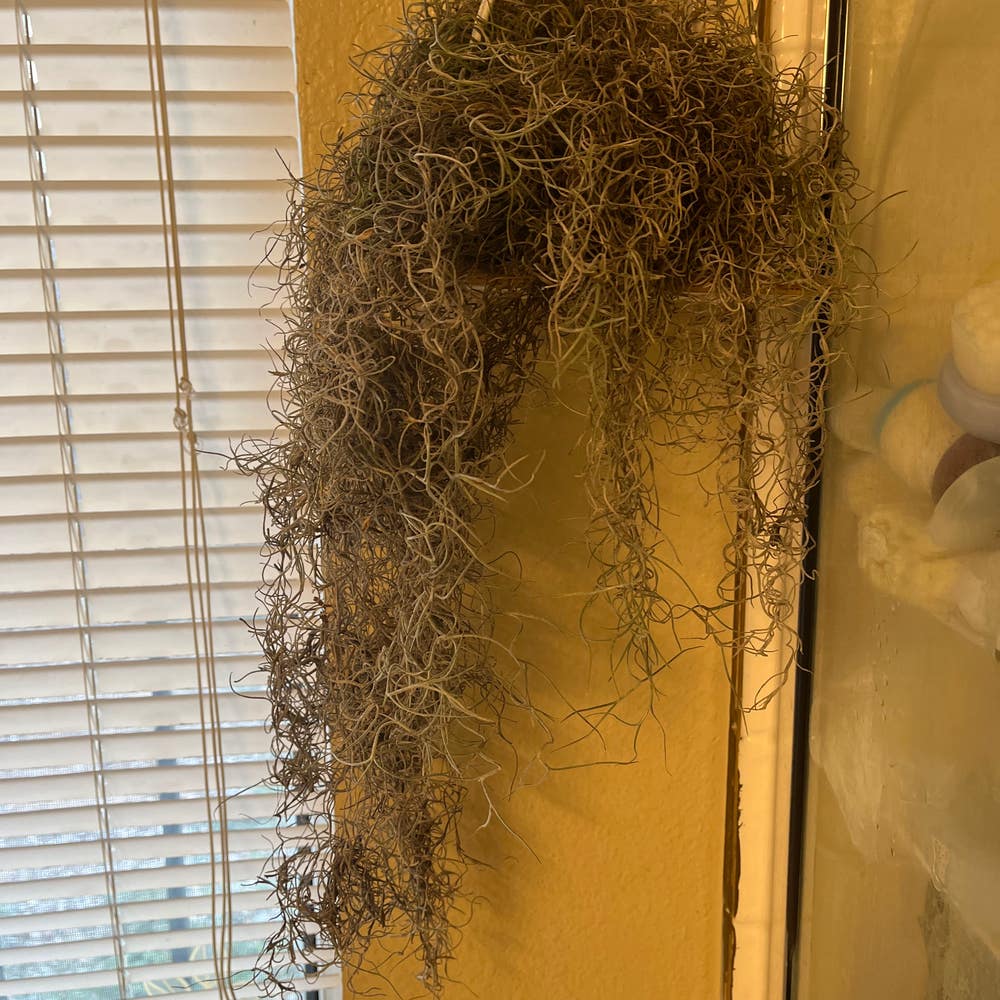
Ultimate Guide to Growing Spanish Moss 🦥
Tillandsia usneoides
By the Greg Editorial Team
Sep 30, 2024•5 min read
This article was created with the help of AI so we can cover more plants for you. May contain errors. See one? Report it here.
Elevate your decor with lush Spanish Moss 🌿 by mastering its unique care and growing techniques!
- 🌞🌿 Spanish Moss thrives in warm, humid climates with filtered sunlight for best growth.
- 💧🧺 Use breathable containers and ensure good drainage to prevent rot.
- 🌬️🌡️ Maintain humidity levels between 60%-80% for optimal health and hydration.
Choosing the Right Location
🌤️ Outdoor Growing Conditions
To successfully grow Spanish Moss, start by selecting the right climate. This plant thrives in warm and humid conditions, ideally between 60°F to 90°F (15°C to 32°C).
Sunlight exposure is crucial. Spanish Moss prefers filtered sunlight; too much direct sun can scorch its delicate leaves.
For mounting, consider using oak trees, fences, or other structures that provide partial shade. These options not only support the moss but also create a natural aesthetic.
🪴 Container Growing Considerations
If you opt for container growing, choose breathable materials like wire baskets or wooden crates. These allow for adequate air circulation, which is vital for the health of the moss.
Placement matters too. Ensure your containers are in a humid environment, preferably outdoors, to mimic the moss's natural habitat.
Lastly, focus on drainage. Good air circulation and drainage are essential to prevent rot, ensuring your Spanish Moss thrives.
With the right location and conditions, your Spanish Moss will flourish beautifully, setting the stage for the next steps in its care.
Mounting Techniques
Best Substrates 🌱
Spanish Moss is unique in that it doesn’t require soil to thrive. Instead, it flourishes on surfaces like tree bark or wire, making it an excellent choice for vertical gardening.
For those looking to enhance moisture retention, consider using alternative substrates like sphagnum moss or coconut coir. These options can help keep your Spanish Moss hydrated and healthy.
Mounting on Structures 🏗️
When it comes to mounting Spanish Moss, there are a couple of effective techniques to consider:
Secure with Fishing Line or Twine: Use fishing line or soft twine to attach the moss to your chosen structure. This method is gentle and won’t damage the moss.
Loosely Attach for Air Circulation: Ensure that the moss is loosely attached. This allows for proper air circulation, which is crucial for its health.
Regular maintenance is key. Check the attachment periodically to ensure it remains secure, and make adjustments as needed. This simple practice can prevent potential issues down the line.
With the right mounting techniques and substrates, your Spanish Moss will thrive beautifully, adding a touch of elegance to your space. Next, let’s explore the essential watering and humidity needs to keep your moss in top shape.
Watering and Humidity
Watering Techniques 🌊
To keep your Spanish Moss thriving, consistent watering is key. Mist the moss 2-3 times a week, ensuring every strand gets a good soak.
For deeper hydration, soak the moss in water for 30 minutes every 1-2 weeks. After soaking, let it dry before reattaching to any structures.
Importance of Humidity Levels 💧
Humidity plays a crucial role in the health of Spanish Moss. Aim for an ideal humidity range of 60% to 80% for optimal growth.
If you're growing indoors, consider using a hygrometer to monitor humidity levels. This simple tool can help you maintain the right environment for your moss to flourish.
Final Thoughts 📝
By mastering the watering techniques and keeping an eye on humidity, you'll set your Spanish Moss up for success. Next, let’s explore how to fertilize and meet its nutrient needs for even more vibrant growth.
Fertilizing and Nutrient Needs
🌱 Fertilizing Techniques
To keep your Spanish Moss thriving, choosing the right fertilizer is crucial. Opt for liquid fertilizers with low nitrogen content, like orchid fertilizer, which is gentle yet effective.
Organic options are also excellent. Diluted fish emulsion or seaweed extract can provide essential nutrients without overwhelming the plant.
⏰ Frequency and Application Methods
Timing is everything when it comes to fertilizing. Aim to fertilize every 4-6 weeks during the growing season, which spans spring and summer.
For application, mix the diluted fertilizer with your misting or soaking water. This method ensures even distribution and helps the moss absorb nutrients effectively.
With the right care, your Spanish Moss will flourish, adding a touch of elegance to your space. Next, let’s explore common challenges and solutions to keep your moss healthy and vibrant.
Common Challenges and Solutions
🐜 Identifying and Managing Pests
Spanish Moss can attract a few pesky pests that may hinder its growth.
- Spider Mites: These tiny invaders leave fine webbing and cause stippled leaves.
- Aphids: Look for sticky residue and distorted growth as telltale signs.
To combat these nuisances, consider using insecticidal soap or neem oil. Regular inspections and maintaining overall plant health can also help prevent infestations.
🌧️ Addressing Environmental Challenges
Environmental factors play a crucial role in the health of your Spanish Moss.
- Low Humidity: If the air is too dry, use a humidifier or place a pebble tray filled with water nearby to boost humidity levels.
- Poor Light: If your moss isn't thriving, try relocating it to a brighter spot with filtered sunlight.
🪴 Troubleshooting Growth Issues
Sometimes, your Spanish Moss may show signs of distress.
- Browning: This often indicates low humidity or too much direct sunlight.
- Wilting: If your moss is wilting, check for overwatering or insufficient moisture and adjust your watering routine accordingly.
By staying vigilant and responsive to these challenges, you can ensure your Spanish Moss remains healthy and vibrant. Next, let’s explore the best fertilizing techniques to nourish your moss effectively.
⚠️ Safety First
This content is for general information and may contain errors, omissions, or outdated details. It is not medical, veterinary advice, or an endorsement of therapeutic claims.
Always consult a qualified healthcare professional before using any plant as food, medicine, or supplement.
Never eat any plant (or feed one to pets) without confirming its identity with at least two trusted sources.
If you suspect poisoning, call Poison Control (800) 222-1222, the Pet Poison Helpline (800) 213-6680, or your local emergency service immediately.
Spotted an error? Please report it here.
Nurture your Spanish Moss to lush perfection 🌿 by using Greg to monitor humidity and get personalized care reminders for thriving growth!