Plant Care
›
Propagation
›
Spanish Moss
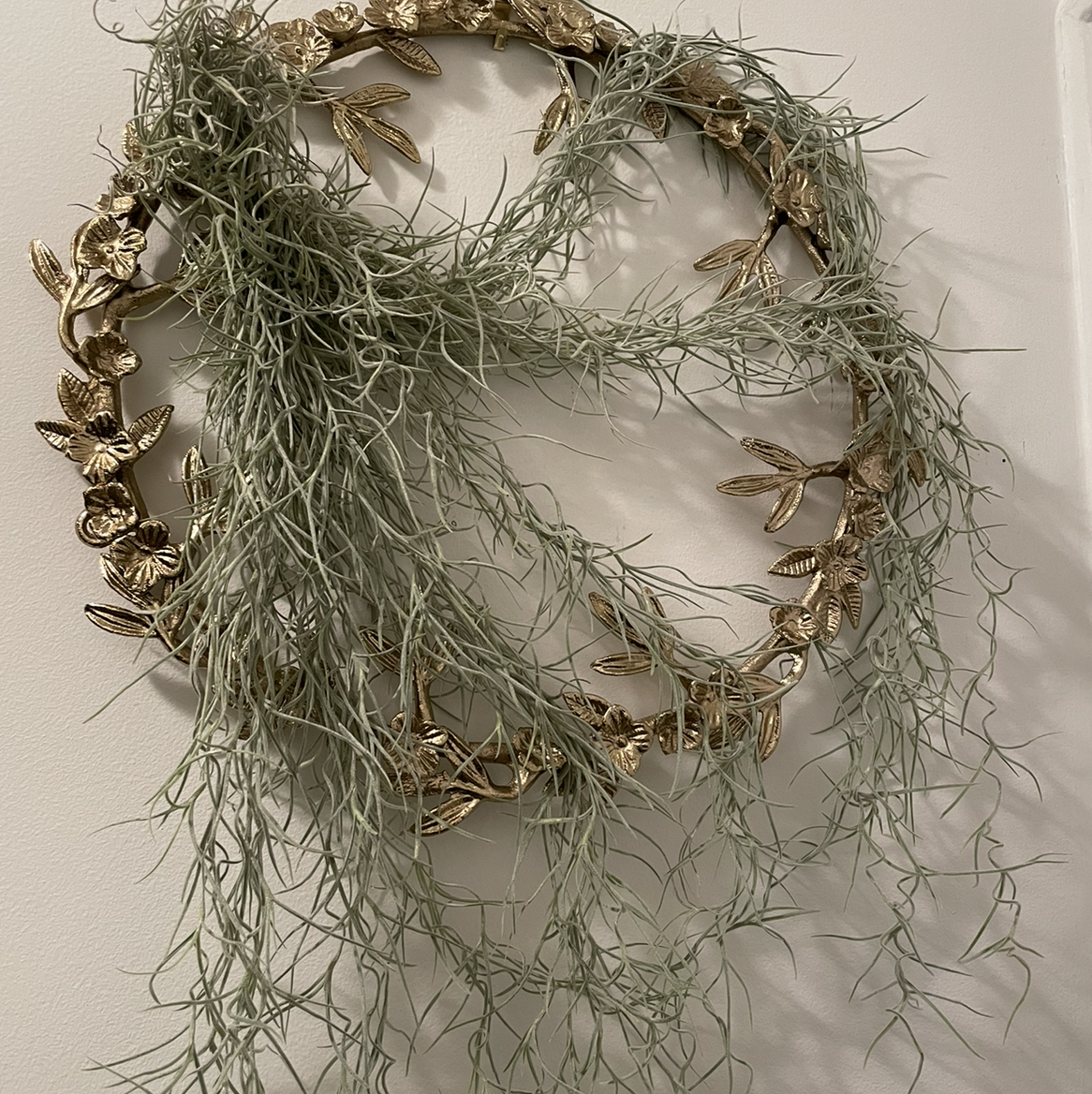
Tillandsia usneoides
Reviewed by Kiersten Rankel M.S.
QUICK ANSWER
Dividing a clump into smaller strands is the only home method and works year-round in 2 to 4 weeks. Tear off a 6 to 12 inch section, drape it on a tree branch or trellis with bright filtered light, and mist it daily until new growth appears.
Spanish moss does grow from seed in nature, but the seeds are wind-dispersed and almost impossible to germinate at home. Stick with division.
Spanish moss does grow from seed in nature, but the seeds are wind-dispersed and almost impossible to germinate at home. Stick with division.
Stay on top of plant care
Get seasonal reminders for watering and fertilizing, personalized for your plants.
Try Greg Free
Division
Time
2–4 weeks to establish
Level
Beginner
Success rate
High
You'll need
Healthy parent clump of Spanish moss
Tree branch, trellis, or wire frame to hang from
Spray bottle with rainwater or distilled water
Bright indirect light location with airflow
Optional: weak air plant fertilizer
1
Pick a healthy section
Look at the parent clump and choose strands that are silver-green and supple, not yellow or brittle. The healthiest tips are at the bottom of the strand where new growth pushes downward. Avoid any section that feels dry and crispy or has black rotted spots.
2
Tear off a 6 to 12 inch piece
Spanish moss has no central root system. Just gently pull a section away from the main clump with your fingers. The strands separate easily where they are draped over each other.
No cutting tool is needed and no callous step either. The plant absorbs water and nutrients from the air through tiny scales on every strand, so any piece can grow on its own.
No cutting tool is needed and no callous step either. The plant absorbs water and nutrients from the air through tiny scales on every strand, so any piece can grow on its own.
3
Drape over your support
Hang the new section over a tree branch, a piece of driftwood, a trellis, or a length of wire. Spanish moss does not attach with roots. It simply sits on whatever it is draped across and grows downward over time.
4
Place in bright filtered light with airflow
Spanish moss needs bright indirect light, the kind that filters through tree canopy. A spot under a porch, on a covered patio, or in a bright bathroom with a fan running works well. Direct hot afternoon sun bleaches the strands silver-white and burns the tips.
5
Mist daily for the first month
Spritz the strands until they are visibly wet 1 to 2 times per day, ideally in the morning. Use rainwater, distilled water, or aquarium water rather than tap water, since the dissolved salts in tap water build up and brown the tips.
The plant should dry out completely between mistings. Wet strands held in stagnant air for hours rot at the core.
The plant should dry out completely between mistings. Wet strands held in stagnant air for hours rot at the core.
6
Watch for new growth
Within 2 to 4 weeks you should see new bright green or silver tips emerging at the bottom of the strands. Once the section is actively growing, taper misting to 2 to 3 times per week if your air is humid, or keep daily misting in dry indoor air.
WATCH FOR
Strands turning brown and wet at the center while the outer edges look fine. The clump is staying damp too long and rotting from inside. Spread it thinner across more support so air can move through every strand, cut misting back to 2 times per week, and add a small fan nearby. Spanish moss can recover from rot if you catch it before the green tips fade.
Stay on top of plant care
Get seasonal reminders for watering and fertilizing, personalized for your plants.
Try Greg Free
About This Article

Kiersten Rankel M.S.
Botanical Data Lead at Greg · Plant Scientist
Editorial Process
Propagation methods verified against Tillandsia usneoides growth data from Greg's botanical database, cross-referenced with USDA hardiness zone data and published horticultural research.
961+ Greg users growing this plant
USDA hardiness zones 8a–11b