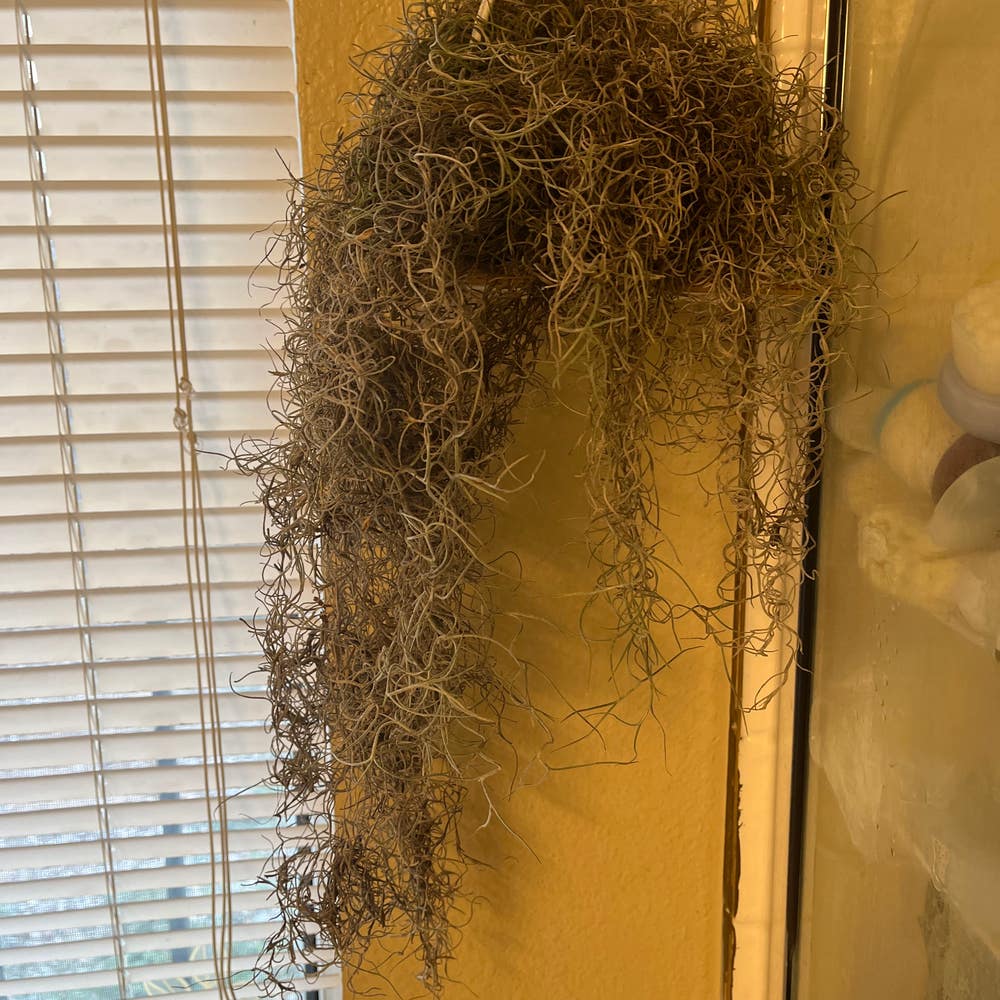
Why Is My Spanish Moss Dropping Leaves?
Tillandsia usneoides
By the Greg Editorial Team
Jun 17, 2024•6 min read
This article was created with the help of AI so we can cover more plants for you. May contain errors. See one? Report it here.
Prevent Spanish Moss despair 🍂 with the right moisture, light, and pest control tips!
- 💧 Balance moisture, avoid direct sun to prevent leaf dropping in Spanish Moss.
- 🌡️ Maintain consistent temperature and humidity for healthy Spanish Moss.
- 🕵️♂️ Regular monitoring and care prevent pests and environmental stress.
Identifying the Symptoms of Leaf Dropping in Spanish Moss
🍂 Recognizing the Signs of Leaf Drop Specific to Spanish Moss
Spanish Moss, that eerie yet charming air plant, doesn't just throw a tantrum and drop leaves for no reason. Leaf browning? That's a cry for moisture. If you're seeing leaves hit the deck faster than cards at a Vegas table, it's time to reassess your watering game.
🌱 Understanding the Normal Growth Cycle of Spanish Moss
Believe it or not, Spanish Moss has its own rhythm, and sometimes leaves parting ways is just part of the dance. But here's the kicker: if you're witnessing a leaf exodus and it's not part of the natural shedding that comes with new growth or seasonal changes, you've got a mystery to solve. Keep an eye out for leaves that look more scorched than a marshmallow at a bonfire—that's a sign they're getting too much sun, not just moving on with their lifecycle.

Addressing Water-Related Causes of Leaf Dropping
💧 Balancing Moisture Levels
Overwatering and underwatering can send your Spanish Moss into a leaf-dropping frenzy. To strike the perfect moisture balance, water only when the plant feels dry to the touch. Imagine you're giving your plant a stiff drink after a long day—it doesn't need to swim in it.
🌫 Techniques for Proper Humidity
Spanish Moss thrives in the humidity of a sultry southern evening. If your air is drier than a stand-up comic's humor, it's time to up the ante. Use a humidifier or mist the moss regularly, ensuring it gets that dewy glow without becoming a sopping wet blanket.

Stabilizing Environmental Conditions to Prevent Leaf Drop
💡 Adjusting Light and Temperature
Spanish Moss thrives in environments that mimic its natural habitat. To prevent leaf drop, bright, indirect light is essential. Direct sunlight can scorch leaves, while too little light may weaken the plant. Aim for a cozy temperature range—too hot, and you risk dehydration; too cold, and growth may stall.
🛡️ Mitigating Environmental Stress
Environmental stress can wreak havoc on Spanish Moss. Consistency is your best friend here. Avoid drastic fluctuations in temperature and light, which can trigger leaf drop. Think of your plant's environment as a sanctuary, where sudden changes are as welcome as a bull in a china shop.
🌬️ Humidity and Airflow
These plants don't just like humidity; they crave it. But there's a fine line between a tropical paradise and a swamp. Strike a balance—high humidity with good airflow to prevent rot. Remember, Spanish Moss is like that guest who loves a good party atmosphere but still needs to breathe.
🏠 Indoor vs. Outdoor Care
Indoors, keep your Spanish Moss away from dry, stale air—air conditioners and heaters are the nemesis of humidity. Outdoors, ensure it's not baking in the midday sun or shivering in the cold. It's all about finding that sweet spot, where your plant feels just right.
🍂 Seasonal Adjustments
As seasons change, so should your care. Less water in winter, more shade in summer—it's like adjusting your wardrobe for the weather. Keep an eye on the forecast and be ready to adapt. After all, Spanish Moss doesn't have the luxury of layering up or stripping down.
🌡️ Environmental Monitoring
Stay vigilant. If your Spanish Moss starts dropping leaves, it's sending an SOS. Adjust your care routine gently—no knee-jerk reactions. It's about creating a stable environment where your plant can hang its leaves in peace, without the drama of environmental mood swings.

Combating Pests and Diseases That Cause Leaf Dropping
🐛 Identifying Common Pests and Diseases
Spider mites and aphids are the usual suspects when it comes to pests attacking Spanish Moss. These critters are sneaky, often going unnoticed until the damage is done. Look for telltale signs like webbing or sticky residue on the leaves. Fungal diseases, such as powdery mildew, can also be a party pooper for your Spanish Moss, with high humidity levels being their favorite dance floor.
🛡️ Integrated Pest and Disease Management (IPM) Strategies
IPM is like the Swiss Army knife of plant care – versatile and efficient. Monitor your Spanish Moss regularly for any signs of pest infestations or disease. Encourage the presence of natural predators like ladybugs to deal with aphids. They're the hitmen of the garden world. If you need to intervene, opt for treatments that are kind to both the plant and the environment, like neem oil or insecticidal soap.
💪 Proactive Measures
Prevention is better than cure. Avoid overhead watering to reduce the risk of fungal diseases and ensure proper drainage to keep the roots happy. If you're introducing new plants to your collection, keep them quarantined first to prevent any potential spread of pests or diseases. It's like a bouncer checking IDs before letting anyone into the club.
🩺 Treatment Tips
If you do find pests or diseases crashing the party, act swiftly. Use a miticide for spider mites and prune away heavily infested areas. For fungal foes, remove affected leaves and increase air circulation. It's like turning on the lights at the end of a party – no one wants to stick around for that.
Remember, a stressed Spanish Moss is more likely to drop leaves, so keep the vibe chill with consistent care. Your plant will thank you by staying lush and leafy.
Tailoring Care Practices to Strengthen Spanish Moss Against Leaf Dropping
🌿 Best Practices for Routine Care
Consistency is king when it comes to nurturing Spanish Moss. Establish a care routine that includes regular watering—just enough to keep the moss happy, not so much that it's drowning. Think of it as the Goldilocks zone for hydration.
Pruning isn't just for aesthetics; it's a strategic move to keep your Spanish Moss thriving. Remove any dead or dying parts to redirect energy to healthier growth. It's like cutting off dead weight to let the good stuff shine.
🛡️ Proactive Monitoring and Adjustments
Stay vigilant. If your Spanish Moss starts looking more like a sad tinsel than a lush green cascade, it's time to reassess. Lighting and temperature are the usual suspects. Spanish Moss craves bright, indirect light and moderate temps—too much deviation and it'll throw a fit.
Pest control is non-negotiable. While Spanish Moss is relatively low-maintenance, it's not immune to the occasional freeloader. Keep an eye out for pests and show them the door promptly.
Remember, adaptability is your secret weapon. As the seasons change, so should your care routine. Less water in the cooler months, a bit more shade in the summer—stay on your toes and your Spanish Moss will stay on its... well, it doesn't have feet, but you get the picture.
⚠️ Safety First
This content is for general information and may contain errors, omissions, or outdated details. It is not medical, veterinary advice, or an endorsement of therapeutic claims.
Always consult a qualified healthcare professional before using any plant as food, medicine, or supplement.
Never eat any plant (or feed one to pets) without confirming its identity with at least two trusted sources.
If you suspect poisoning, call Poison Control (800) 222-1222, the Pet Poison Helpline (800) 213-6680, or your local emergency service immediately.
Spotted an error? Please report it here.
Prevent your Spanish Moss from shedding its charm by letting Greg customize 🌿 your watering and lighting schedule, keeping your green friend happy and healthy through the seasons.