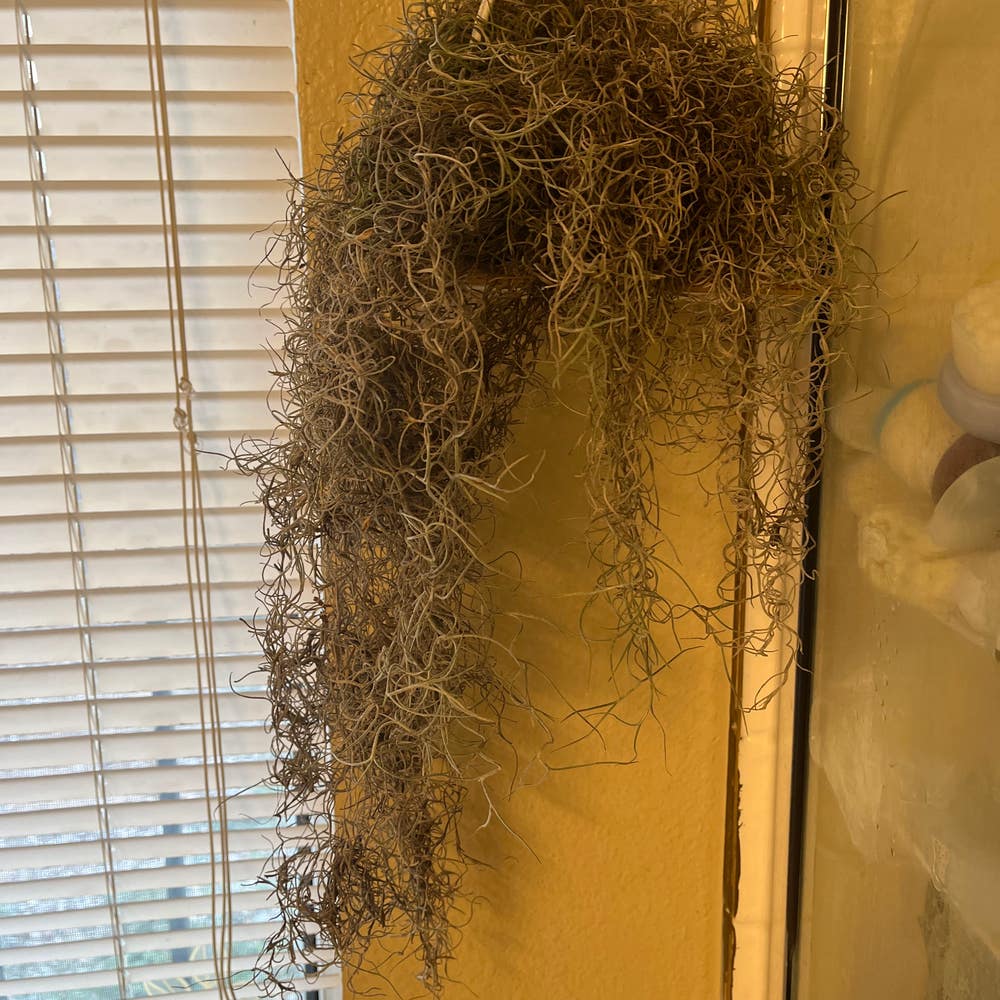
Best Ways to Protect Spanish Moss from Frost ❄️
Tillandsia usneoides
By the Greg Editorial Team
Sep 30, 2024•5 min read
This article was created with the help of AI so we can cover more plants for you. May contain errors. See one? Report it here.
Ensure your Spanish Moss thrives through winter frost with these vital protection strategies! 🌱❄️
- ❄️ Monitor frost warnings to prepare your Spanish Moss in advance for cold weather.
- 🌿 Move to sheltered areas or use covers to minimize frost exposure effectively.
- 💧 Maintain humidity with misting or pebble trays to prevent winter stress.
Frost Protection Strategies
Best Practices for Outdoor Frost Protection 🌬️
Timing is everything when it comes to protecting your Spanish Moss from frost. Keep an eye on weather forecasts for frost warnings to ensure you're prepared.
If possible, move your Spanish Moss to sheltered areas. This simple step can significantly reduce frost exposure and help your plants thrive.
Indoor Care Options for Spanish Moss During Winter 🏡
For indoor care, placement is key. Keep your Spanish Moss in a bright area with indirect light to mimic its natural habitat.
Humidity maintenance is also crucial during winter months. Consider using a humidifier or misting your plants regularly to keep them hydrated.
Using Covers and Barriers to Shield from Frost 🛡️
When it comes to covers, you have several options. Frost cloths, burlap, or plastic sheeting can all provide effective protection against cold temperatures.
Make sure to secure these covers over your Spanish Moss during cold nights. This added layer can make a significant difference in preventing frost damage.
By following these frost protection strategies, you can help ensure your Spanish Moss remains healthy and vibrant throughout the winter months. Next, let’s explore how to adjust your watering and fertilizing practices during this season.
Watering and Fertilizing Adjustments
🌨️ Adjusting Watering Frequency in Winter
During winter, it's crucial to adjust your watering schedule for Spanish Moss. Aim to water every 2-3 weeks to prevent over-saturation.
Watch for signs of overwatering, such as yellowing leaves or a mushy texture. These indicators signal that your plant is struggling and needs less moisture.
🌱 Fertilizing Spanish Moss During Dormancy
When it comes to fertilizing, opt for a diluted, balanced fertilizer. This ensures your Spanish Moss receives the nutrients it needs without overwhelming it.
Timing is key; fertilize sparingly, ideally just once during the dormancy period. This approach helps maintain the health of your plant while it conserves energy for the upcoming growth season.
By making these adjustments, you can support your Spanish Moss through the winter months, setting it up for a vibrant spring. Next, let’s explore how to prepare your Spanish Moss for the renewal of spring growth.
Spring Preparation and Recovery
🌱 Signs of Recovery from Winter Damage
As spring approaches, keep an eye out for new growth in your Spanish Moss. Fresh green leaves are a clear indicator that your plant is bouncing back from winter's chill.
Another sign of resilience is the restoration of texture and color. A vibrant, lush appearance means your Spanish Moss is regaining its health.
🌼 Preparing Spanish Moss for Spring Growth
To help your Spanish Moss thrive, gradually reintroduce it to outdoor conditions over 1-2 weeks. This slow acclimatization helps prevent shock from sudden temperature changes.
Pruning is also essential during this phase. Remove any dead or damaged sections to encourage robust new growth.
☀️ Reintroducing Spanish Moss to Outdoor Conditions
Timing is crucial when reintroducing your Spanish Moss to the outdoors. Wait until temperatures consistently exceed 50°F (10°C) to ensure a safe transition.
When placing your Spanish Moss outside, choose a spot with indirect sunlight and adequate humidity. This environment will support its recovery and promote healthy growth.
With these steps, your Spanish Moss will be well on its way to thriving in the warmer months ahead. Now, let’s explore the environmental considerations that will further enhance its growth.
Environmental Considerations
Ideal Temperature Ranges for Spanish Moss 🌡️
Spanish Moss thrives in a cozy temperature range of 60°F to 80°F (15°C to 27°C). It's crucial to protect it from temperatures dipping below 32°F (0°C), as this can lead to frost damage.
Humidity Levels and Their Importance in Winter Care 💧
Maintaining humidity is vital for preventing frost damage to Spanish Moss. Low humidity can stress the plant, making it more susceptible to cold.
Methods to Increase Humidity
To boost humidity, consider these effective methods:
- Grouping Plants: Cluster your Spanish Moss with other plants to create a microenvironment.
- Using Pebble Trays: Place a tray filled with pebbles and water beneath your moss. As the water evaporates, it increases humidity.
- Humidifiers: Invest in a humidifier to maintain consistent moisture levels in the air.
By ensuring the right temperature and humidity, you can significantly enhance the resilience of your Spanish Moss during winter. This preparation sets the stage for a vibrant spring growth, which we’ll explore next.
Common Misconceptions
🌨️ Myths About Spanish Moss and Frost Tolerance
Many people believe that Spanish Moss can withstand frost without any issues. This is a misconception; Spanish Moss is not frost-hardy and requires protection during cold snaps.
❄️ Clarifying the Cold Hardiness of Spanish Moss
While Spanish Moss can tolerate brief cold snaps, prolonged exposure to frost is detrimental. Understanding these limits is crucial for maintaining the health of your plants during winter months.
By debunking these myths, you can take proactive steps to protect your Spanish Moss and ensure it thrives through the colder seasons. Next, let’s explore how to adjust your watering and fertilizing practices for winter care.
⚠️ Safety First
This content is for general information and may contain errors, omissions, or outdated details. It is not medical, veterinary advice, or an endorsement of therapeutic claims.
Always consult a qualified healthcare professional before using any plant as food, medicine, or supplement.
Never eat any plant (or feed one to pets) without confirming its identity with at least two trusted sources.
If you suspect poisoning, call Poison Control (800) 222-1222, the Pet Poison Helpline (800) 213-6680, or your local emergency service immediately.
Spotted an error? Please report it here.
Protect your Spanish Moss from winter frost with proactive care ❄️—let Greg guide you with tailored reminders and humidity tips for a thriving plant all season long!