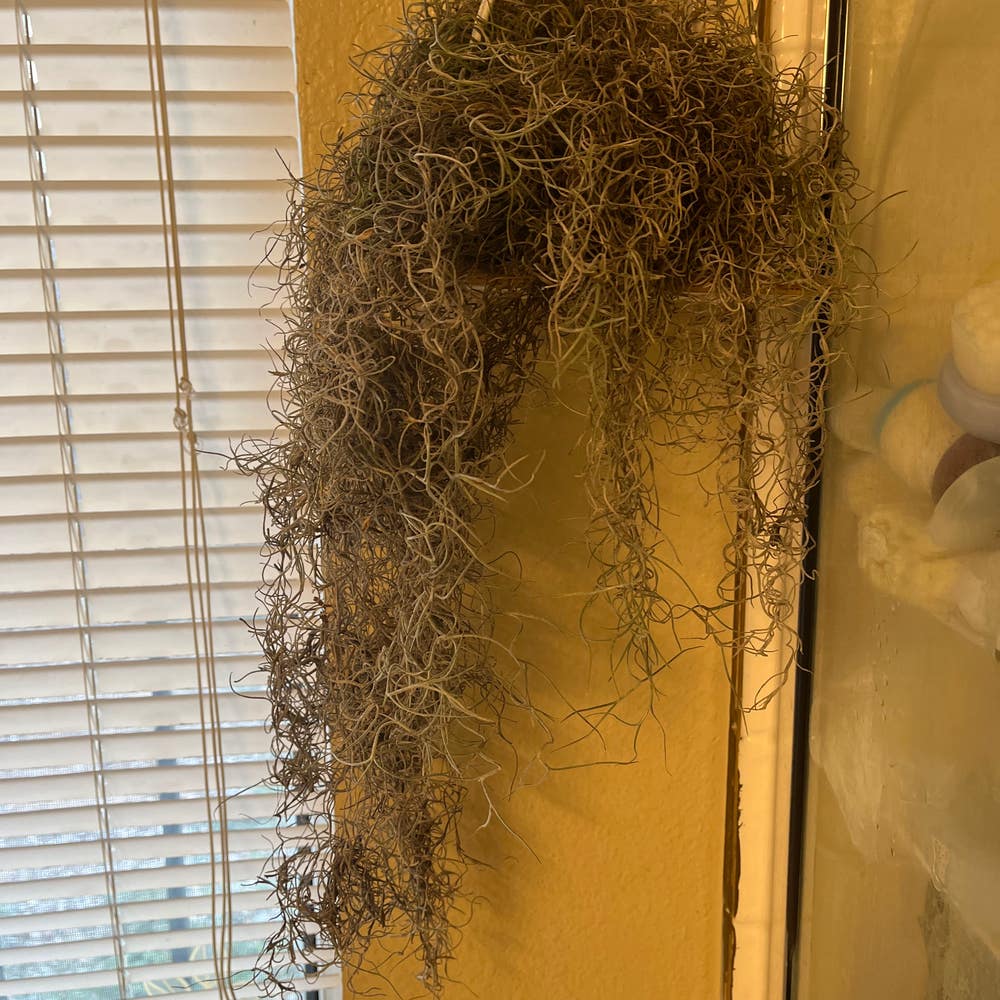
What Are The Bugs on My Spanish Moss? 🐛
Tillandsia usneoides
By the Greg Editorial Team
Jun 17, 2024•10 min read
This article was created with the help of AI so we can cover more plants for you. May contain errors. See one? Report it here.
Safeguard your Spanish Moss 🌿 from tiny terrors with expert pest-busting tips!
- Spider mites and scale insects - look for webbing, stippling, and oval bumps.
- Use Neem oil, alcohol, traps for effective pest control on Spanish Moss.
- Prevention is key: regular inspections and Integrated Pest Management (IPM).
Identifying and Treating Spider Mites on Spanish Moss
👀 Spotting the Culprits
Spider mites are tiny but their damage is not. Look for webbing across your Spanish Moss, a telltale sign of these pests. They also leave behind stippling, small yellow or brown dots on the leaves, as they suck the plant dry.
⚔️ The Battle Against Spider Mites
Neem oil is your first line of defense. It's a natural, smothering agent that shows no mercy to spider mites. Apply it with care, avoiding contact with anything but the mites. For a one-two punch, follow up with insecticidal soap. This duo is like the pest control version of Batman and Robin.
🧼 Insecticidal Soap: The How-To
Spray affected areas in the morning or evening to avoid the soap drying too quickly. Focus on the undersides of leaves where mites love to hide. Reapply every 7-10 days to interrupt their reproduction cycle.
🌿 Neem Oil: Use With Caution
When using neem oil, protect your clothes and household items from stains. Apply it with the precision of a sniper, targeting only the mites and their webs.
💦 The Water Method
For a non-chemical approach, a gentle water spray can dislodge the mites and their webs. It's like a mini hurricane for these pests, minus the collateral damage.
🔁 Repetition is Key
Spider mites are stubborn. Repeat treatment every few days to ensure you've sent them all packing. Follow the product instructions to the letter, or risk a mite resurgence.
💡 Pro Tips
- Use a white cloth to wipe down leaves. Reddish streaks? That's mite blood—gross but effective for detection.
- Tap a leaf over white paper. If tiny critters fall and start moving, it's time to declare war.
- Quality soil can deter mites. They're less likely to invade if they don't feel welcome.

Scale Insects: A Hidden Threat to Spanish Moss
Scale insects are stealthy critters, often resembling small, oval bumps on the stems of your Spanish Moss. They blend in so well, you might mistake them for part of the plant's natural texture. But these guys are no decoration; they're sap-sucking pests that can weaken your plant.
🕵️ Spotting the Culprits
Look for tiny oval shapes that seem a bit off, clinging to the stems. If you notice a sticky residue or sooty mold, it's time to play detective and track down these pests. They're not just hanging out for fun; they're feasting on your plant's vital juices.
🍸 The Alcohol Rub-Down
Grab a cotton swab, dip it in rubbing alcohol, and give those scales a good wipe. It's like giving your Spanish Moss a spa treatment, except this one's lethal for the uninvited guests. It's a quick fix for a few visible buggers.
🛢 Oil Them Up
When the scale situation looks like a full-blown invasion, it's time to bring out the horticultural oil. Coat them thoroughly; it's like throwing a blanket over them that they can't escape from. It's a bit of a waiting game, but patience pays off when you're fighting a silent war against scales.
👀 Keep Vigilant
Remember, these pests are like ninjas, always ready to sneak back when you least expect it. Regular inspections are your best defense. Stay sharp, and don't let these tiny invaders turn your Spanish Moss into their all-you-can-eat buffet.

Fungus Gnats and Fruit Flies: Prevention and Control
🐜 Identifying the Invaders
Fungus gnats and fruit flies are tiny nuisances that can plague Spanish Moss. Look for small flies buzzing near the plant or larvae in the soil to confirm their presence.
🛡️ The Battle Plan: Prevention
Prevention is key. Overwatering is a no-no; let the soil's surface dry out to discourage gnat spa days. Cleanliness counts—remove dead leaves and detritus to avoid creating larvae lairs. New plants should be inspected with a detective's eye for any signs of these pests.
💡 Remedies: Getting Tactical
Sticky traps are like fly motels with a no-check-out policy. Beneficial nematodes are the unseen heroes, munching on larvae like there's no tomorrow. For a more direct approach, a hydrogen peroxide solution can be used to cleanse the soil, sending larvae to their doom without harming your moss.
🍎 Fruit Fly Foes
Fruit flies fancy your fruit bowl, not your plants. But they're still unwelcome guests. Aunt Fannie's FlyPunch is a non-toxic trap that's a favorite for keeping these critters in check. Remember, cleanliness is a deterrent—keep those ripening fruits and organic waste under control to avoid a fruit fly fiesta.
🚫 When All Else Fails: Insecticides
If the situation escalates, insecticides can be the big guns in your arsenal. Look for products with an EPA registration number and follow the instructions to the letter. Words like "Caution" or "Warning" on labels are your clues to the product's toxicity level—choose wisely.
👀 Final Thoughts: Stay Vigilant
Keep an eye out for zig-zagging flies or stir the soil for a peek at the larvae. Quick action can prevent a full-scale invasion. Remember, fungus gnats and fruit flies aren't just annoying—they can be a sign of overwatering or poor hygiene. So, keep it dry and clean, and you'll keep the pests at bay.

Mealybugs: The Cottony Pests of Spanish Moss
Spotting these pests is straightforward: look for white, fluffy masses that cling to your Spanish Moss like tiny, unwanted cotton balls. These are mealybugs, and they're not just unsightly; they're harmful to your plant's health.
🍸 Isopropyl Alcohol: The Pest's Worst Nightmare
Isopropyl alcohol is your go-to weapon against these invaders. Grab a cotton swab, dip it in the alcohol, and go on a seek-and-destroy mission. Touch each mealybug with the swab to send them packing. It's oddly satisfying, but don't get carried away—mealybugs can hide in the smallest crevices.
For larger colonies, consider a spray solution. Mix alcohol with water, and give the affected areas a good spritz. Just remember, alcohol can be drying, so don't overdo it. Your Spanish Moss prefers its cocktails mild.
🚫 Quarantine: Not Just for Pandemics
Quarantine is not just for pandemics; it's a smart move for infested plants too. Isolate your Spanish Moss to prevent the mealybug menace from spreading to other green friends. No one likes a party crasher, especially when they're pests.
Remember, persistence pays off. These fluffy fiends might require multiple treatments, so keep a vigilant eye and a steady supply of alcohol at the ready. Your Spanish Moss will thank you—with growth, not words, of course.
Aphids on Spanish Moss: Early Detection and Management
Aphids are tiny invaders that can wreak havoc on Spanish Moss. These pear-shaped pests prefer the succulent new growth, where they cluster and feed. Spotting them early is crucial; look for small insects in shades of green, black, or even red.
🕵️ Identifying Aphids
Aphids are often accompanied by sooty mold, a byproduct of their sticky honeydew. This mold can block sunlight, hindering photosynthesis. Also, lookout for molting shells on the plant, a clear sign of their presence.
🌿 Natural Control Methods
Blast them away with a water spray, focusing on the undersides of leaves where they like to hide. Introducing beneficial insects like ladybugs can also help in controlling aphid populations naturally.
🧪 Chemical Control Methods
When natural methods fall short, turn to neem oil. It's a go-to for gardeners because it's effective without being too harsh on the ecosystem. Insecticidal soap is another option, but always read the label before application.
🛡️ Proactive Measures
Regular inspections are your best defense. Quarantine new plants to prevent aphid immigration. And remember, a strong plant is less inviting, so keep your Spanish Moss healthy with proper care.
Note: Always apply treatments like neem oil during cooler parts of the day to avoid leaf burn and ensure the health of your Spanish Moss.
Additional Pests and Their Specific Threats to Spanish Moss
🦟 Whiteflies
Whiteflies are tiny, moth-like pests that can be found in clusters on the undersides of leaves. They're notorious for sucking the sap out of plants, leading to yellowing and wilting. Yellow sticky traps can be effective in monitoring and reducing their numbers. For a more aggressive approach, insecticidal soaps or a strong blast of water can help dislodge and kill these pests.
🐛 Caterpillars
Caterpillars may find Spanish moss a cozy home, munching through the foliage and leaving behind their telltale chewed leaves. Handpicking can be a surprisingly effective control method if you're not squeamish. For those who prefer a hands-off approach, Bacillus thuringiensis (Bt), a natural bacterial toxin, can be applied to specifically target these leaf-eaters without harming beneficial insects.
🐌 Snails
Snails are less common but can still pose a threat to Spanish moss, especially in moist environments. They can be spotted by their slimy trails and the damage they cause by eating the plant. To combat snails, setting up barriers like copper tape or using bait traps can be effective. Just remember to check traps regularly and keep them out of reach of pets and wildlife.
🦗 Thrips
Thrips are minuscule, slender insects that can cause significant damage with their rasping-sucking mouthparts, leaving behind silvery trails and speckled leaves. Introducing predatory insects like green lacewings, or applying spinosad-based insecticides, can help keep their populations in check.
Quick Tips for Less Common Pests
- Inspect Spanish moss regularly for signs of pests.
- Use specific treatments like neem oil, insecticidal soap, or Bt as needed.
- Quarantine new plants to prevent the spread of pests to your Spanish moss.
- Preventive measures, such as proper watering and avoiding over-fertilization, can deter pests.
Remember, while Spanish moss can be resilient, it's not immune to pest invasions. Stay vigilant and act promptly at the first sign of trouble.
Integrated Pest Management for Spanish Moss
In the realm of Spanish Moss care, prevention is your best ally. Integrated Pest Management (IPM) isn't just a fancy term; it's a comprehensive approach that combines cultural, biological, and chemical strategies to manage pests with minimal environmental impact.
💡 Customized Pest Management Strategies
Customization is key in IPM. Spanish Moss, being an epiphyte, has unique needs. Start by ensuring proper watering and thinning to prevent excessive shading. This creates an environment less hospitable to pests.
🐞 Biological Controls
Introduce beneficial insects like ladybugs to chow down on aphids. Predatory mites can also be enlisted to tackle spider mite infestations. It's like setting up a neighborhood watch, but for bugs.
🌿 Cultural Practices
Keep your Spanish Moss "socially distanced" from other plants to prevent the spread of pests. Regular inspections can catch infestations early, and quarantining new additions to your collection is a must.
🧪 Chemical Controls
When necessary, opt for organic pesticides like neem oil or insecticidal soap. Always check labels for OMRI™ listings to ensure they're environmentally friendly. Remember, the goal is to use the least toxic method to achieve control.
🔄 Consistency and Monitoring
Stay vigilant. Regularly check for pests and apply treatments with consistency. One-off efforts are as effective as a chocolate teapot. Keep a close eye on your moss and act swiftly at the first sign of trouble.
🛡️ Prevention Over Cure
Finally, focus on prevention. A healthy Spanish Moss is less likely to succumb to pests. Proper care and maintenance are the bedrock of IPM and will save you a world of hassle down the line.
⚠️ Safety First
This content is for general information and may contain errors, omissions, or outdated details. It is not medical, veterinary advice, or an endorsement of therapeutic claims.
Always consult a qualified healthcare professional before using any plant as food, medicine, or supplement.
Never eat any plant (or feed one to pets) without confirming its identity with at least two trusted sources.
If you suspect poisoning, call Poison Control (800) 222-1222, the Pet Poison Helpline (800) 213-6680, or your local emergency service immediately.
Spotted an error? Please report it here.
Keep your Spanish Moss pest-free 🕷 with Greg's tailored reminders for regular inspections and the best care practices from this guide!