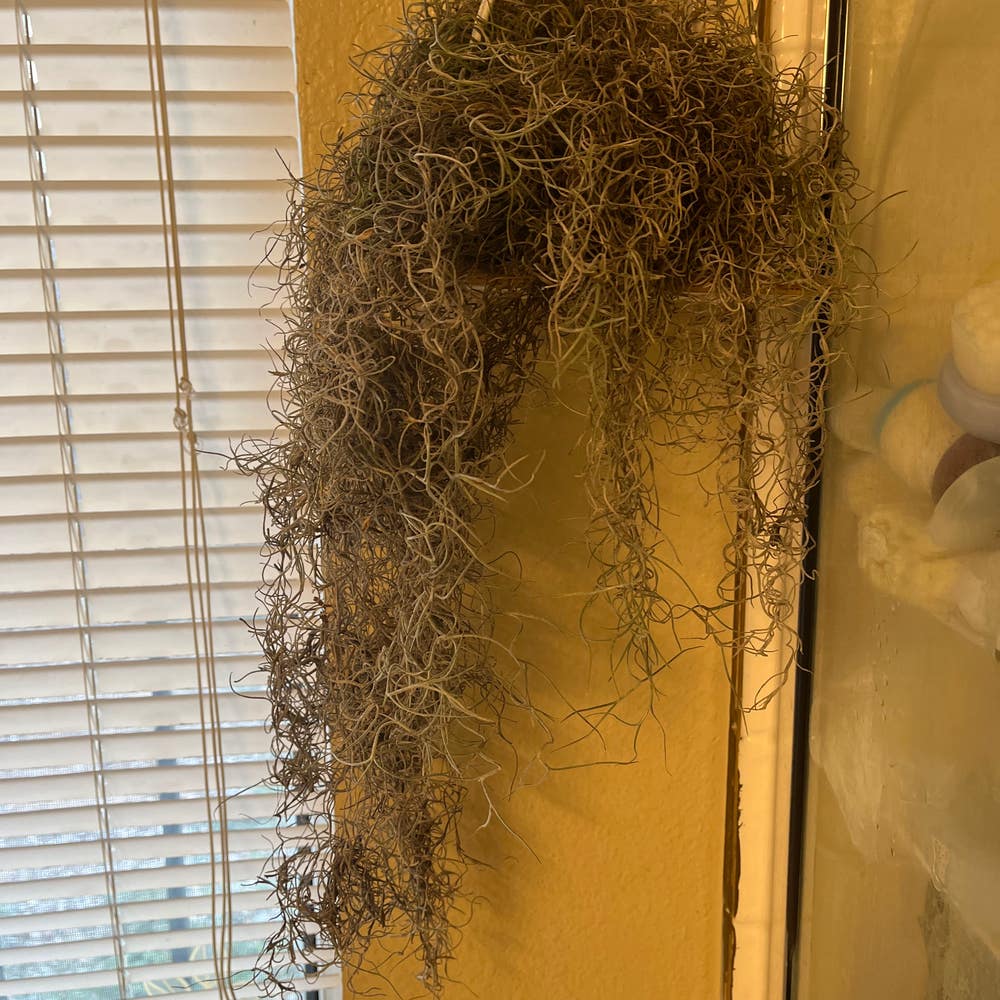
Best Soil Potting Mix for Spanish Moss
Tillandsia usneoides
By the Greg Editorial Team
Jun 17, 2024•6 min read
This article was created with the help of AI so we can cover more plants for you. May contain errors. See one? Report it here.
Nurture your Spanish Moss to perfection 🌿 by mastering the art of the ideal airy soil mix!
- Airy medium, not soil, is best for Spanish Moss to thrive.
- Orchid bark, sphagnum moss, coconut coir recommended for the right balance.
- Monitor for mold, yellowing, and adjust watering and air circulation accordingly.
Selecting the Right Medium for Spanish Moss
Traditional soil is a no-go for Spanish Moss. This epiphytic plant thrives on air and moisture, not the dense, water-retentive environment that soil provides.
🚫 Why Not Soil?
Soil suffocates the plant's roots, preventing the necessary air circulation. Spanish Moss absorbs nutrients and water through its leaves, not roots, making soil an unnecessary medium.
🎯 Ideal Medium Characteristics
The ideal medium for Spanish Moss must mimic its natural habitat. Airiness is key, allowing for ample airflow. Moisture retention should be minimal, just enough to hydrate without waterlogging. Look for materials that provide structure without density, such as orchid bark or sphagnum moss.
Remember, Spanish Moss is a survivor, not a picky houseplant. It doesn't need the nutrient boost from soil, and it certainly won't thrive in it. Keep it simple, keep it airy, and your Spanish Moss will do the rest.

Signs of an Unsuitable Medium for Spanish Moss
Identifying mold growth and excessive moisture retention is crucial for the health of Spanish Moss. These issues can lead to a decline in the plant's vitality.
🍄 Mold Growth
Mold on Spanish Moss is a red flag. It typically starts in the center of the plant, especially when stored in a compressed state. Mold can cause leaves to turn yellow or black, indicating decay. This is often due to poor air circulation, high humidity, or both.
💧 Excessive Moisture Retention
Spanish Moss thrives in humid conditions, but too much moisture is a problem. Signs of overwatering include a soggy appearance and a lack of growth. Overly moist conditions can suffocate the plant, as it relies on air circulation to absorb water and nutrients.
Impact on Plant Health
When the medium is unsuitable, Spanish Moss may exhibit browning leaves, a symptom of distress. This could be due to either lack of moisture or too much of it. It's a delicate balance, as the plant also needs to avoid direct sunlight to prevent scorching.
🛡️ Preventative Measures
To prevent these issues, ensure your Spanish Moss has plenty of airflow and is not kept in closed, plastic containers. Regularly fluffing the moss can help maintain good air circulation. If you spot decay, separate the healthy moss from the affected areas immediately to prevent further damage.
Remember, Spanish Moss doesn't need traditional soil. It absorbs nutrients from the air, so the medium must cater to its unique needs. Keep an eye out for these signs to ensure your Spanish Moss remains healthy and vibrant.

Recommended Medium Mixes for Spanish Moss
🌴 Orchid Bark
Orchid bark is a heavyweight contender in the medium mix arena. It's like the bodyguard of aeration, ensuring roots get their oxygen fix. But, it's thirsty work; you'll need to water more often due to its rapid drainage capabilities.
🌿 Sphagnum Moss
Sphagnum moss is the sponge of the plant world, holding onto moisture like a lifeline. Mold beware, though; this moss doesn't play nice with fungi, especially if you opt for the premium, anti-fungal varieties.
🥥 Coconut Coir
Coconut coir is the eco-friendly cousin of peat moss, flaunting a similar texture but with a tendency to get a bit too cozy over time, compacting more than we'd like. It's a balancing act with this one, providing moisture while ensuring it doesn't become too clingy.
🍹 Balancing Act
To hit the sweet spot of aeration and moisture, think of your medium mix as a cocktail. A dash of perlite for drainage, a sprinkle of coconut coir for moisture, and a generous helping of orchid bark to keep things light and airy. Shake well, don't stir.
💡 Pro Tip
Always remember, Spanish Moss is an air plant; it's not about recreating the soil, it's about simulating a breezy, tropical tree branch. Keep it loose, keep it breathable, and your Spanish Moss will be living the high life.

Addressing Medium-Related Issues in Spanish Moss
When mold or excessive moisture threatens your Spanish Moss, it's time for some plant triage. Here's how to get your green buddy back to good health.
🚱 Recognizing Trouble
Yellow leaves or a musty odor? These are distress signals from your Spanish Moss, indicating too much water or poor air circulation.
🚨 Immediate Steps
- Reduce Watering: Let the medium dry out a bit between waterings.
- Improve Circulation: Make sure your plant isn't suffocating in still air. A gentle breeze can work wonders.
🛠️ Long-Term Fixes
Adjusting the Medium
If you're constantly fighting moisture, it's time to tweak the mix.
- Add Aeration: Mix in perlite or coarse sand to give roots room to breathe.
- Remove Debris: Clear out any fallen leaves to deny mold its feast.
🛡️ Preventative Measures
- Sterilize: Before using, ensure your medium is clean and free from unwanted guests like fungus gnats.
- Monitor: Keep an eye on your plant's environment; a vigilant plant parent is a successful one.
Remember, the right medium and care can turn a soggy situation into a Spanish Moss success story.
Crafting a Homemade Medium for Spanish Moss
Spanish Moss, or Tillandsia usneoides, is no ordinary houseplant; it's an epiphyte, thriving without the need for traditional soil. Let's dive into the art of mixing up the perfect homemade medium.
🌿 Key Components
Airiness and moisture are the yin and yang for Spanish Moss. To achieve this balance:
- Sphagnum moss is your moisture maestro, holding water without getting soggy.
- Orchid bark brings the breathability, ensuring roots get their oxygen fix.
- Coconut coir is the eco-friendly wildcard, offering both moisture retention and aeration.
🛠 Preparing Your Mix
Sterilize to neutralize. Zap your sphagnum moss in the microwave for a minute to kill off any freeloading bugs. Mix the components in a 1:1:1 ratio for a medium that's just right.
🧼 Sterilizing Your Mix
Before you let your Spanish Moss snuggle into its new bed, make sure it's clean. A quick bake in the oven at 200°F for 30 minutes should do the trick. You're not cooking a pizza; you're crafting a bug-free zone.
Remember, Spanish Moss isn't looking for a soil to call home—it's all about that airy embrace. Keep it light, keep it fluffy, and your Spanish Moss will be eternally grateful.
⚠️ Safety First
This content is for general information and may contain errors, omissions, or outdated details. It is not medical, veterinary advice, or an endorsement of therapeutic claims.
Always consult a qualified healthcare professional before using any plant as food, medicine, or supplement.
Never eat any plant (or feed one to pets) without confirming its identity with at least two trusted sources.
If you suspect poisoning, call Poison Control (800) 222-1222, the Pet Poison Helpline (800) 213-6680, or your local emergency service immediately.
Spotted an error? Please report it here.
Nurture your Spanish Moss to peak health 🌿 with Greg's tailored reminders for watering and air circulation, ensuring your moss thrives in its ideal airy medium!