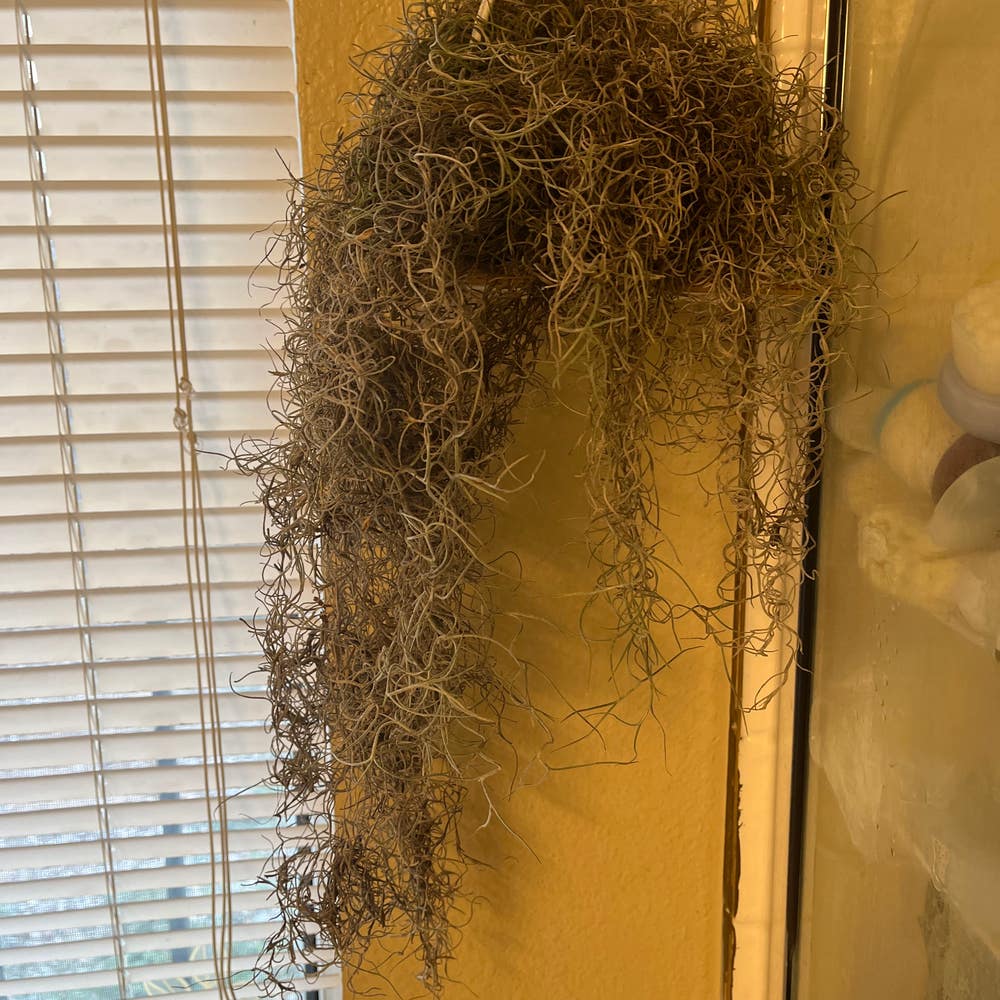
10 Tips for Growing Spanish Moss Outdoors 🦜
Tillandsia usneoides
By the Greg Editorial Team
Sep 30, 2024•6 min read
This article was created with the help of AI so we can cover more plants for you. May contain errors. See one? Report it here.
Transform your space with thriving Spanish moss 🌿 by mastering essential care tips for light, water, and protection!
- 🌞 Spanish moss thrives in 4-6 hours of indirect sunlight for optimal growth.
- 💧 Regular misting every 1-2 weeks is essential to maintain moisture levels.
- 🌳 Spanish moss prefers clinging to trees rather than traditional soil for best results.
Sunlight Needs
Ideal Light Conditions 🌞
Spanish moss is surprisingly adaptable when it comes to light. It thrives in a range of conditions, from full sun to partial shade, but the sweet spot is 4-6 hours of indirect sunlight daily.
Effects of Insufficient Light 🚫
If your moss isn't getting enough light, you'll notice some telltale signs. Slower growth, yellowing leaves, and thinning strands are all symptoms of low light.
To keep your moss happy, consider placing it under trees or on structures that provide dappled sunlight. This way, it can soak up just the right amount of light without getting scorched.
Understanding these sunlight needs is crucial for the health of your Spanish moss. With the right conditions, your moss can flourish beautifully, setting the stage for the next steps in its care.
Watering Requirements
Frequency and Method 🌧️
Spanish moss thrives on consistent moisture, so regular misting is essential. Aim to mist your moss frequently or soak it in water every 1-2 weeks for optimal health.
Best Practices for Watering 💧
Using rainwater or distilled water is the way to go. This helps prevent chemical buildup that can harm your moss and keeps it flourishing.
Signs of Overwatering 🚫
Overwatering can lead to serious issues. Look out for browning tips and a mushy texture, which are clear signs that your moss is drowning.
Prevention Strategies 🛡️
To avoid these problems, ensure proper air circulation around your moss. Good airflow helps maintain a healthy balance and prevents root rot.
With these watering tips, your Spanish moss will be well on its way to thriving. Next, let’s explore the soil preferences that can further enhance its growth!
Soil Preferences
Soil Requirements 🌳
Spanish Moss is a unique plant that thrives without traditional soil. Instead, it loves to cling to trees and other surfaces, making bark and wood its ideal home.
Alternative Planting Mediums 🌱
If you decide to plant Spanish Moss in a container, choose a well-draining medium. Options like orchid bark or sphagnum moss work wonders, ensuring your moss stays healthy and happy.
With these soil preferences in mind, you can create the perfect environment for your Spanish Moss to flourish. Next, let’s explore the best planting options to maximize its growth potential.
Planting Options
Container Planting: Benefits and Drawbacks 🌱
Benefits
Container planting offers remarkable mobility. You can easily reposition your Spanish moss to ensure it gets optimal light or protection from harsh weather.
Another advantage is the control over moisture. In a container, managing watering and nutrients becomes simpler, allowing you to tailor the environment to your moss's needs.
Drawbacks
However, container planting has its limitations. The confined space may restrict growth compared to planting directly in the ground.
Additionally, there's a risk of root rot if you overwater. It's crucial to monitor moisture levels closely to prevent this issue.
Ground Planting: Benefits and Drawbacks 🌍
Benefits
Ground planting mimics the plant's natural habitat. This setup allows Spanish moss to thrive in conditions similar to its native environment.
Moreover, it offers a larger growth potential. With more space, your moss can spread and flourish, creating a lush display.
Drawbacks
On the flip side, ground planting exposes your moss to pests and diseases. The outdoor elements can increase vulnerability, making it essential to stay vigilant.
You also have less control over moisture levels. Rainfall and temperature fluctuations can impact your moss's health, requiring more attention to its watering needs.
In summary, both container and ground planting have their pros and cons. Choosing the right option depends on your specific circumstances and preferences. Next, let’s explore effective protection strategies to keep your Spanish moss thriving outdoors.
Protection Strategies
☀️ Weather Protection Techniques
Spanish moss is resilient but can benefit from some weather protection. During intense sun, use shade cloth to shield it, and during cold snaps, frost cloth can help keep it warm.
Consider planting in sheltered areas to minimize wind exposure. This simple step can make a significant difference in your moss's health.
🐛 Managing Outdoor Pests
Common Pests
Mealybugs and scale are two common pests that can affect Spanish moss. Look for white, cotton-like masses for mealybugs, while yellowing and wilting indicate scale infestation.
Control Methods
For pest control, manual removal is effective. A cotton swab dipped in alcohol can help eliminate mealybugs without harming the moss.
You can also introduce natural predators like ladybugs to keep pest populations in check. These beneficial insects can help maintain a healthy balance in your garden.
🦠 Common Diseases and Solutions
Root Rot
Root rot can be a serious issue for Spanish moss. Symptoms include wilting and browning, signaling that something is off.
To prevent root rot, ensure proper air circulation around the moss and avoid overwatering. This will help keep your moss thriving.
Fungal Infections
Fungal infections can manifest as discoloration and decay. If you notice these signs, act quickly.
Remove affected areas and improve air circulation to combat fungal issues. Keeping your moss healthy is all about vigilance and care.
With these protection strategies in place, your Spanish moss will be better equipped to thrive outdoors. Next, let’s explore seasonal care tips to keep your moss flourishing throughout the year.
Seasonal Care
Spring Care Tips 🌸
As temperatures rise, it's time to ramp up your watering routine. Increase the frequency to keep your Spanish Moss thriving, and don’t forget to fertilize with a balanced liquid fertilizer to give it a nutrient boost.
Summer Care Tips ☀️
During the hot summer months, keep a close eye on humidity levels. Mist your moss more often during dry spells and provide shade to protect it from extreme heat.
Fall Care Tips 🍂
As the weather cools, it's essential to reduce your watering. Prepare for winter by ensuring your moss has adequate protection from frost, setting it up for a healthy hibernation.
Winter Care Tips ❄️
In winter, limit watering to prevent freezing, which can damage your moss. Use frost cloths to shield it during cold snaps, ensuring it stays cozy and protected.
With these seasonal care tips, your Spanish Moss will flourish year-round. Next, let’s explore the climate considerations that can impact your moss's growth.
Climate Considerations
Growing in Different Climate Zones 🌍
Spanish moss thrives best in USDA zones 9-11, where warmth and humidity create the perfect environment. If you're in a cooler climate, consider using containers; this allows you to move the moss to sunnier spots or bring it indoors during harsh weather.
Adapting Care for Humid vs. Arid Environments 💧
In humid environments, you can water less frequently, as the natural moisture in the air helps keep the moss hydrated. Conversely, in arid climates, increase misting and think about using humidity trays to maintain the moisture levels that Spanish moss craves.
Understanding these climate considerations will help you create the ideal conditions for your Spanish moss to flourish. With the right care, you can enjoy this beautiful plant in various settings, enhancing your outdoor space.
⚠️ Safety First
This content is for general information and may contain errors, omissions, or outdated details. It is not medical, veterinary advice, or an endorsement of therapeutic claims.
Always consult a qualified healthcare professional before using any plant as food, medicine, or supplement.
Never eat any plant (or feed one to pets) without confirming its identity with at least two trusted sources.
If you suspect poisoning, call Poison Control (800) 222-1222, the Pet Poison Helpline (800) 213-6680, or your local emergency service immediately.
Spotted an error? Please report it here.
Transform your outdoor space with thriving Spanish moss 🌿 by using Greg's tailored care reminders to ensure optimal light, moisture, and air circulation for your unique plant!