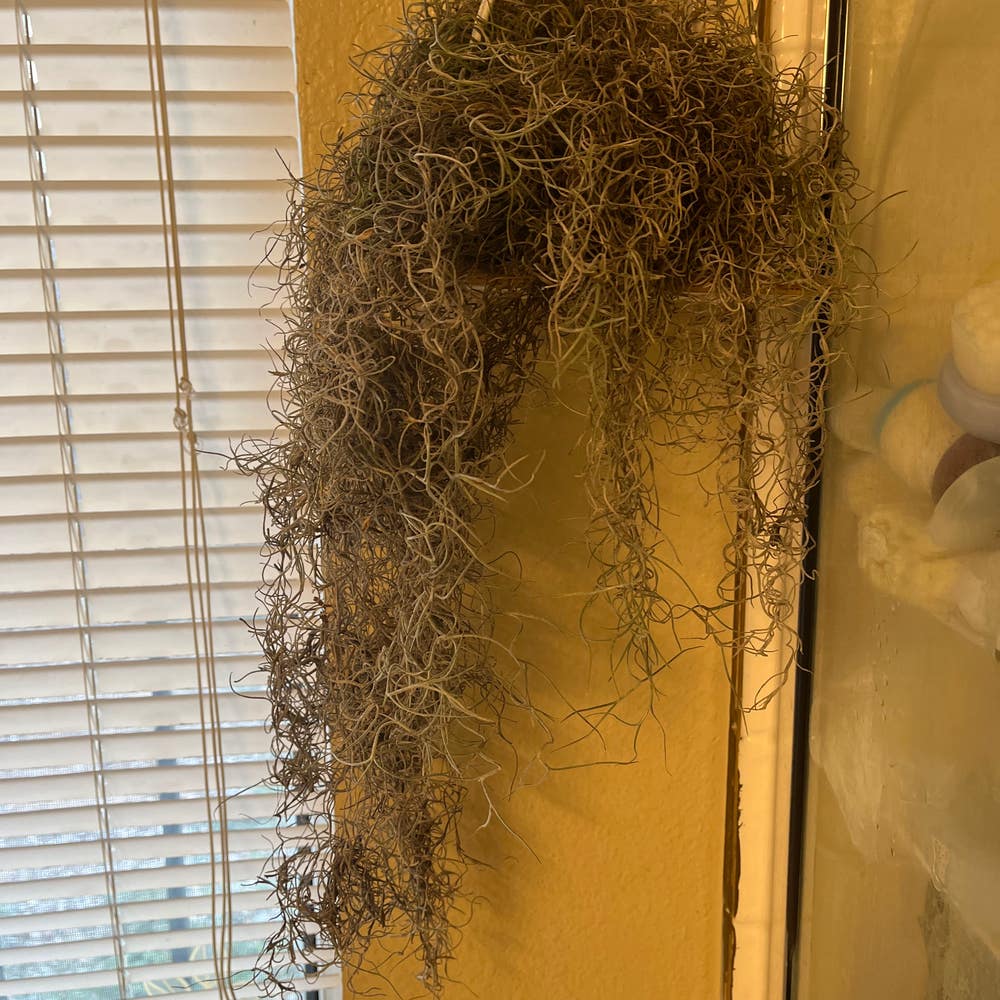
8 Perfect Pot Styles for Spanish Moss 🪴
Tillandsia usneoides
By the Greg Editorial Team
Sep 30, 2024•5 min read
This article was created with the help of AI so we can cover more plants for you. May contain errors. See one? Report it here.
Master pot size and materials to help your Spanish Moss thrive beautifully at every growth stage! 🌱
- 🌱 Choose pot size wisely: 4-6 inches for seedlings, 12-14 inches for mature plants.
- 🏺 Material matters: Clay pots suit humidity; plastic retains moisture in drier conditions.
- 🚫 Ensure proper drainage: At least 3-4 holes prevent root rot and promote healthy growth.
Importance of Pot Size for Different Growth Stages
🌱 Growth Stages
Understanding the growth stages of Spanish Moss is crucial for selecting the right pot size. In the seedling stage, these delicate plants require minimal space to thrive, while mature strands need ample room to spread out.
🪴 Recommended Container Sizes
Choosing the right container size is essential for healthy growth. For seedlings, opt for 4-6 inch pots to support their initial development. As they grow, transition to 8-10 inch pots for young plants, and finally, use 12-14 inch pots for mature plants with extensive root systems.
📏 Impact of Container Size on Growth
The size of the pot significantly influences the health of your Spanish Moss. A pot that is too small can restrict growth and limit moisture absorption, while one that is too large may retain excess moisture, leading to root rot.
By selecting the appropriate pot size for each growth stage, you can ensure your Spanish Moss flourishes beautifully. Next, let’s explore the ideal materials for pots to further enhance your plant’s growth.
Ideal Materials for Pots
🌱 Common Pot Materials
Clay Pots
Clay pots are a popular choice for Spanish Moss due to their porous nature. This allows for excellent air circulation and moisture regulation, essential for healthy growth.
However, they can dry out quickly in low humidity environments. If you live in a drier area, you might find yourself watering more frequently.
Plastic Pots
On the other hand, plastic pots are lightweight and retain moisture longer. This can be a significant advantage if you’re looking to maintain consistent humidity levels.
Yet, they are less breathable than clay pots, which may lead to stagnant air. This is something to consider if you want to avoid potential issues with root health.
🏺 Choosing the Right Material
When selecting the right pot material, consider your local humidity levels. Clay pots work well in high humidity environments, while plastic pots are better suited for drier conditions.
Aesthetic preferences also play a role. Choose a pot material that complements your home decor, enhancing both functionality and visual appeal.
Drainage Considerations
Importance of Drainage Holes 🌊
Drainage holes are crucial for the health of your Spanish Moss. They prevent water accumulation, which can lead to root rot, a common issue for many plant enthusiasts.
Aim for at least 3-4 drainage holes in your pots. This ensures optimal moisture control, allowing excess water to escape while keeping the roots healthy.
How Drainage Impacts Moisture Levels 💧
Proper drainage is key to maintaining the right moisture balance. It enables Spanish Moss to absorb moisture from the air without becoming waterlogged, which is vital for its growth.
Keep an eye on moisture levels in your pot. Adjust your watering frequency based on the pot material and how well it drains to ensure your moss thrives.
With these drainage considerations in mind, you can create an ideal environment for your Spanish Moss to flourish. Next, let’s explore the best pot styles that complement this unique plant.
Repotting Spanish Moss
🕒 When to Repot
Repotting is essential when you notice signs of growth stagnation or root crowding. If you see visible roots emerging from the drainage holes, it’s time to give your Spanish Moss a new home.
🚩 Signs Indicating the Need for Repotting
Keep an eye out for yellowing or browning of the moss strands. Additionally, if you notice decreased moisture retention in the pot, it’s a clear signal that repotting is necessary.
🛠️ Step-by-Step Guide to Repotting
- Choose a New Pot: Select a pot that is 1-2 inches larger in diameter than the current one.
- Remove Spanish Moss: Gently take the moss out of the old pot, being careful not to damage it.
- Inspect Roots: Check the roots for any damage and trim away any dead or brown roots.
- Place in New Pot: Position the Spanish Moss in the new pot, ensuring it isn’t buried in soil.
- Water Lightly: Give it a light watering to settle the moss and promote air circulation.
Repotting may seem daunting, but it’s a rewarding process that revitalizes your Spanish Moss. With the right care, your moss will thrive in its new environment, setting the stage for the next topic: exploring the best pot styles for your greenery.
Best Pot Styles
Recommended Styles 🌿
Hanging Pots
Hanging pots are a fantastic choice for Spanish Moss. They mimic the natural growth of moss on trees, allowing the strands to cascade beautifully while promoting optimal air circulation and moisture absorption.
Wall-Mounted Containers
Wall-mounted containers are perfect for those short on space. They not only enhance the aesthetic appeal of your home but also provide good airflow and visibility, making your Spanish Moss a stunning focal point.
Aesthetic Considerations 🎨
When selecting pots, consider how they complement your home decor. Look for colors, textures, and shapes that enhance visual interest while ensuring functionality for your plants.
Choosing the right pot style can elevate your space and support the healthy growth of your Spanish Moss. Next, let’s explore the ideal materials for pots to further optimize your plant care.
⚠️ Safety First
This content is for general information and may contain errors, omissions, or outdated details. It is not medical, veterinary advice, or an endorsement of therapeutic claims.
Always consult a qualified healthcare professional before using any plant as food, medicine, or supplement.
Never eat any plant (or feed one to pets) without confirming its identity with at least two trusted sources.
If you suspect poisoning, call Poison Control (800) 222-1222, the Pet Poison Helpline (800) 213-6680, or your local emergency service immediately.
Spotted an error? Please report it here.
Elevate your Spanish Moss game with the perfect pot choice 🌿—let Greg guide you with tailored care tips and reminders for thriving growth and stunning decor!