How Do I Know When My Spanish Moss Needs Water?
Tillandsia usneoides
By the Greg Editorial Team
Jun 17, 2024•8 min read
This article was created with the help of AI so we can cover more plants for you. May contain errors. See one? Report it here.
Keep your Spanish moss lush 🌿 with the ultimate guide to spot-on watering—no more guesswork!
- Color and texture changes signal Spanish moss dehydration.
- Adjust watering to environment: more in dry/heat, less in humidity/cool.
- Avoid overwatering: let moss dry out, ensure good air circulation.
Recognizing When Spanish Moss Needs Water
💧 Identifying Signs of Dehydration
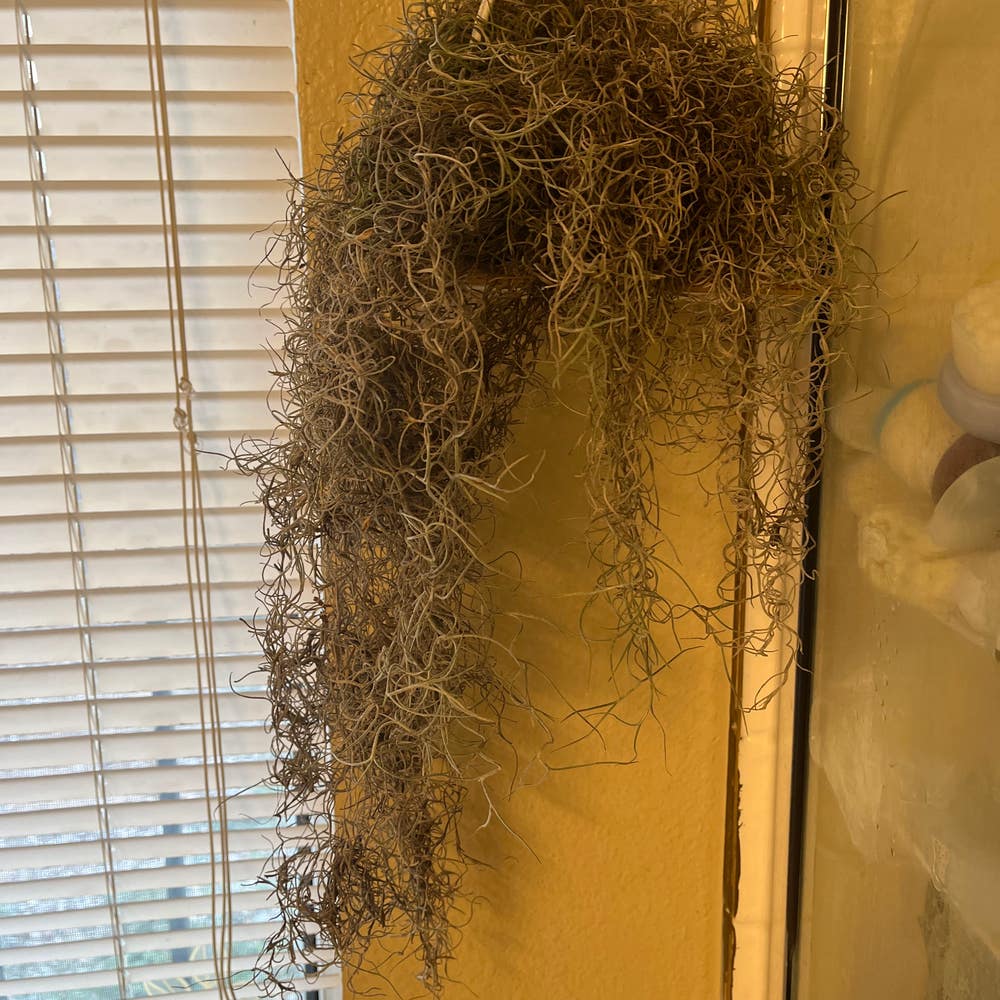
Spanish moss will communicate its thirst through visual cues. Keep an eye out for grayish-silver strands turning a more pronounced gray or brown; this color shift often signals a need for water. Additionally, if the moss feels crisp to the touch or appears brittle, it's time to quench its thirst.
🎨 Color Changes as a Watering Indicator
When healthy, Spanish moss boasts a silvery-green hue. However, a transition towards a duller gray or brownish color can indicate dehydration. Unlike a chameleon, these color changes aren't a cool trick but a distress signal. If you notice such changes, it's a clear sign to up the hydration ante.
👀 Observing Plant Response
After watering, watch for a rejuvenation in color and texture. If the moss perks up to its usual draping elegance, you've hit the sweet spot. But remember, if the tips have gone full-on brown and crunchy, they've crossed the Rainbow Bridge—no amount of water will bring them back.
🌱 Pro Tips
- Mist your Spanish moss regularly, especially if your living space resembles the Sahara more than the Amazon.
- If your moss is indoors, consider a weekly soak—just make sure it fully dries out to avoid the dreaded rot.
- Be mindful of your moss's environment; central heating can turn your home into a desert for your humidity-loving friend. Adjust your watering schedule accordingly.
Remember, Spanish moss is more forgiving than a saint if you forget to water it once in a while. But make it a habit, and you'll be on the fast track to crispy moss town.

Optimal Watering Frequency for Spanish Moss
Determining the frequency of watering Spanish moss is more art than science, influenced by the whims of its environment.
🌡️ Based on Environmental Conditions
Spanish moss craves humidity; it's a moisture fiend. In high humidity, it's like a kid in a candy store, soaking up the ambient moisture, so you can ease up on the watering. But when the air is as dry as a stand-up comedian's wit, you'll need to water more often to compensate.
Temperature is another puppet master of hydration. Hotter temperatures may turn your Spanish moss into a thirsty beast, necessitating weekly watering. Cooler conditions, however, call for restraint—think every two to three weeks to avoid drowning the poor thing.
🍂 Seasonal Adjustments
Seasons change, and so should your watering routine. Summer turns your watering can into a frequent flyer, while winter is all about moderation. It's not just about the calendar, though; keep an eye on the thermometer and the hygrometer to stay in sync with your Spanish moss's needs.
Pro Tip: Treat your Spanish moss to room-temperature water to avoid shocking its delicate system. And remember, the golden rule of watering isn't a schedule—it's vigilance. Keep your finger on the pulse of the soil's moisture level, and you'll be golden.

Avoiding Overwatering and Its Consequences
Spanish moss thrives with just the right amount of water, but too much can lead to a soggy disaster. Here's how to keep your moss magnificent, not mushy.
🚱 Identifying Risks of Overwatering
Root rot is the silent assassin of the plant world, and it loves overwatered Spanish moss. The first sign of trouble is a color change; if your moss starts looking more brown than grey-green, it's time to reassess your watering habits. A foul odor? That's the smell of regret and decomposing plant material.
🌊 Recognizing Excessive Moisture
If your Spanish moss is dripping wet long after watering, you've gone overboard. Yellowing or a mushy texture are cries for help. And if you spot mold or mildew, it's a clear sign that your moss is more waterlogged than a sunken ship.
🛑 Preventing Overwatering
First, ease up on the aqua. Spanish moss prefers a misting to a monsoon. Ensure it's completely dry before the next watering session. If you're soaking it, make sure it's not more often than once a week. And remember, good air circulation is like a good conversation; it's essential for a healthy relationship with your moss.
💧 Tips for Proper Watering
Drainage is key. Even though Spanish moss doesn't need soil, it can still suffer in stagnant moisture. If it's in a container, make sure there's airflow. When watering, aim for the early hours when the sun can assist in drying. Nighttime watering is a no-go; it's like sending your moss to bed with wet feet.
Remember, when it comes to watering Spanish moss, think of it as a light eater—a little goes a long way. Keep it light, keep it airy, and your Spanish moss will be less swamp creature, more elegant air plant.

Effective Watering Techniques for Spanish Moss
💦 Misting vs. Soaking
Misting your Spanish Moss is like giving it a light rain shower. It's a gentle way to hydrate without overwhelming the plant. Ideal for regular maintenance, misting can be done several times a week, depending on your home's humidity levels.
Soaking, on the other hand, is a deep drink for your moss. Submerge the plant in water for about 10-20 minutes, then allow it to drip dry. This method is less frequent, typically needed just once a week, but it's crucial for thorough hydration.
🚱 Avoiding Waterlogging
To prevent overwatering, always let your Spanish Moss dry out between watering sessions. After soaking, ensure it's completely free of excess water to avoid rot. If you're misting, aim for a fine spray that coats the plant lightly without saturating it.
Remember, your Spanish Moss is not a fish; it can't swim. Keep it hydrated but not drowned. Use water that's as close to rainwater as possible—dechlorinated and free of chemicals. This will keep your moss from getting the blues, or in this case, the browns.
Timing and Environmental Factors in Watering
🌅 Best Time of Day for Watering
Early morning is prime time for watering Spanish moss. It's not just about beating the heat; it's about giving your moss the best start to the day. With the sun on the rise, the water has time to soak in before evaporation kicks in. Plus, the cooler morning air means less stress on your plant.
🌡️ Adjusting to Temperature
When the mercury climbs, your Spanish moss's thirst follows suit. Hotter temperatures mean more frequent watering. But don't turn your watering routine into a splash party; moderation is key. In cooler temps, dial it back. Your moss isn't hibernating, but it's definitely sipping water, not guzzling.
💦 Humidity and Hydration
Spanish moss loves a good humidity hug. If you're living in a moisture-rich area, you can ease up on the watering. But when the air's as dry as a stand-up comedian's wit, it's time to mist more often. Think of it as your plant's personal humidifier.
💨 Air Circulation Matters
Don't forget about airflow. Good circulation is like a breath of fresh air for your Spanish moss. It helps prevent moisture from getting too cozy and causing rot. If your indoor air is stagnant, consider a gentle fan to keep things moving.
🌍 Environmental Responsiveness
Stay on your toes. Your Spanish moss relies on you to read the room—or the weather, to be precise. A sudden cold snap or a week of rain means you can hit pause on your watering routine. Be the DJ of hydration, and adjust the volume as needed.
Remember, your Spanish moss doesn't care about your calendar. It's all about responding to the real-time needs of your plant's environment. Keep these tips in mind, and you'll master the art of watering with the finesse of a plant whisperer.
Monitoring Watering Practices and Plant Health
In the dance of hydration, Spanish moss leads with subtle cues. Observe the plant's response after watering—does it seem revitalized, or does it droop with dissatisfaction? The plant's vibrant green hue and springy texture are your green lights, signaling contentment with its moisture levels.
🌱 Observing Plant Responses
A well-watered Spanish moss will have a lively appearance, with leaves that are supple and an overall demeanor that screams "I've got this!" Conversely, a dehydrated moss may appear lackluster, with leaves that betray it through a grayish or overly brittle facade.
🛠 Making Adjustments
If you find your moss's performance lackluster, it's time to tweak your routine. Consider the feedback instant and adjust your watering frequency or method accordingly. A plant's thirst isn't static—it changes with the seasons, humidity, and its own growth cycle.
🌍 Environmental Considerations
Got a home that's drier than a stand-up comic's wit? Your Spanish moss might need more frequent misting. If you're living in a humid paradise, you can ease up on the watering. Remember, your plant's environment is as dynamic as a drum solo, and your care should be just as responsive.
🛒 Tools of the Trade
Investing in a humidity meter or a water meter can be a game-changer, giving you a more scientific read on when to water. It's like having a backstage pass to your plant's needs, minus the groupies.
🛡 Proactive Plant Parenting
Stay vigilant. Regular check-ups are the plant equivalent of a yearly physical—necessary and non-negotiable. Notice a change in leaf color or texture? Your Spanish moss is waving a flag, signaling it's time for a care review. Rotate your plant occasionally to ensure even growth because nobody wants a plant that's more lopsided than a politician's promises.
Remember, in the world of Spanish moss care, vigilance is your best tool. Keep an eye out, make smart adjustments, and watch your moss thrive like a rockstar on stage.
⚠️ Safety First
This content is for general information and may contain errors, omissions, or outdated details. It is not medical, veterinary advice, or an endorsement of therapeutic claims.
Always consult a qualified healthcare professional before using any plant as food, medicine, or supplement.
Never eat any plant (or feed one to pets) without confirming its identity with at least two trusted sources.
If you suspect poisoning, call Poison Control (800) 222-1222, the Pet Poison Helpline (800) 213-6680, or your local emergency service immediately.
Spotted an error? Please report it here.
Keep your Spanish moss perfectly hydrated 💧 with Greg's personalized watering schedule that adjusts to your environment, ensuring just the right amount of moisture without the guesswork.