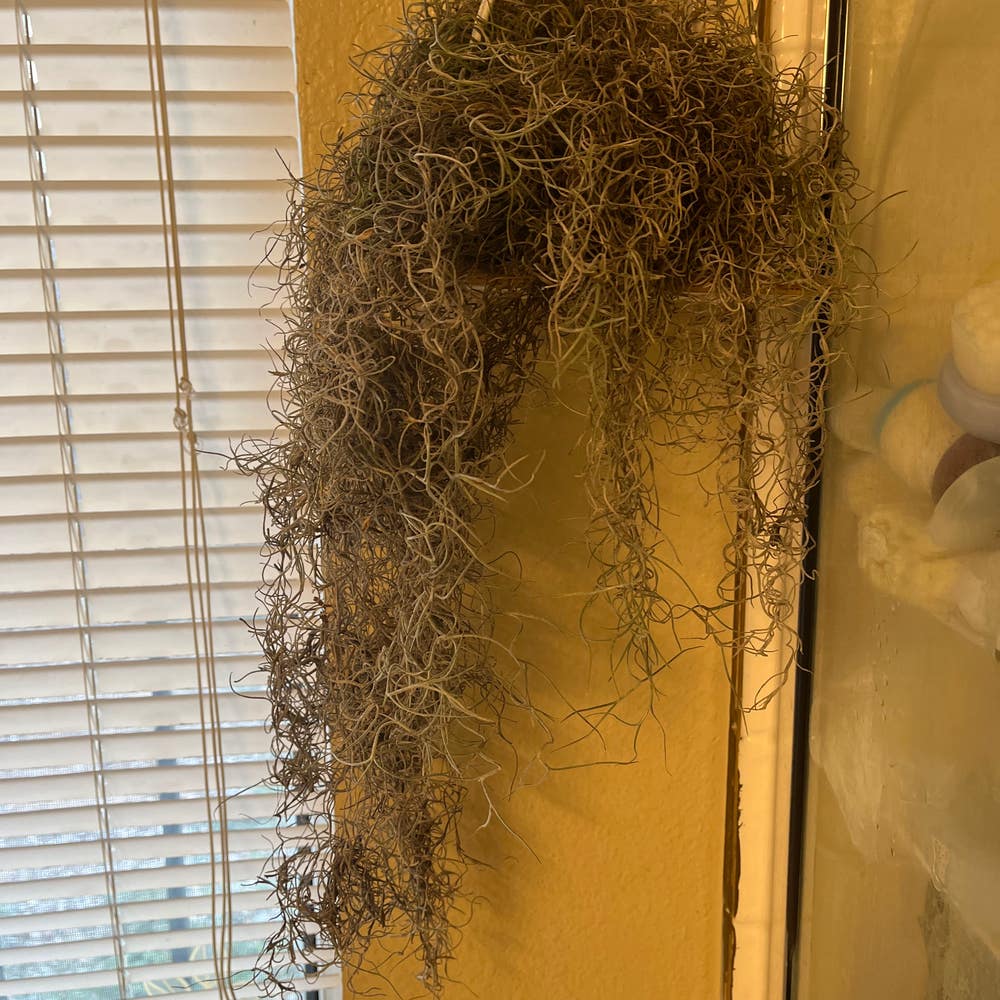
🌿 Why Spanish Moss Is Not an Annual
Tillandsia usneoides
By the Greg Editorial Team
Sep 30, 2024•4 min read
This article was created with the help of AI so we can cover more plants for you. May contain errors. See one? Report it here.
Uncover the magic of Spanish moss 🌱 and its vital role in creating a thriving garden ecosystem!
- 🌱 Spanish moss is a perennial, thriving for decades, unlike short-lived annuals.
- 🌞 Growth accelerates in warm, humid months, influenced by seasonal changes.
- 🌿 Misunderstood as annual due to seasonal dieback; it actually adapts well to environments.
Spanish Moss Lifecycle
Long-term Lifecycle 🌱
Spanish moss is a fascinating plant that can live for many years, often reaching decades in age. Its growth cycle is continuous, with variations that reflect seasonal changes.
Growth Patterns and Seasonal Changes ☀️
As an epiphyte, Spanish moss hangs gracefully from trees, absorbing moisture and nutrients from the air. During warm, humid months, its growth accelerates, while cooler conditions slow it down significantly.
Reproductive Strategies and Flowering Cycles 🌼
Spanish moss employs two primary methods for reproduction: seeds and vegetative propagation. Flowering occurs sporadically, with small flowers that are often overlooked, adding to its understated charm.
This unique lifecycle and growth pattern highlight why Spanish moss is not classified as an annual plant. Understanding these aspects sets the stage for exploring its comparative analysis with true annuals.
Comparative Analysis
Differences from True Annuals 🌱
Spanish Moss is a perennial wonder, thriving for years, often decades. In contrast, true annuals complete their lifecycle in just one season, making Spanish Moss a unique fixture in the plant world.
Its growth patterns are equally distinct. While annuals rush through their lifecycle, Spanish Moss exhibits continuous growth, adapting to seasonal changes without the pressure of a ticking clock.
Lifecycle Implications 🔄
One of the fascinating aspects of Spanish Moss is its seed production. It generates seeds that can germinate under the right conditions, reinforcing its status as a perennial plant.
This perennial growth leads to more extensive root systems. With a deeper reach into the environment, Spanish Moss can absorb nutrients more effectively, ensuring its longevity and resilience.
Understanding these differences not only highlights the uniqueness of Spanish Moss but also sets the stage for exploring its regional variations and how they impact its lifecycle perception.
Regional Variations
Conditions Leading to Misclassification 🌱
Spanish Moss often faces misinterpretation due to environmental factors. In colder climates, its growth can be stunted, leading people to mistakenly believe it behaves like an annual.
Seasonal dieback can further confuse observers. During less-than-ideal conditions, it may appear to die off, mimicking the lifecycle of annual plants, which can mislead gardeners and nature enthusiasts alike.
Geographic Factors 🌍
Spanish Moss thrives in warm, humid environments. It flourishes in regions where moisture is abundant, but struggles in colder areas, limiting its growth potential.
Its remarkable adaptability allows it to survive across various conditions. This resilience can influence how people perceive its lifecycle, often underestimating its perennial nature.
Understanding these regional variations is crucial for appreciating the true essence of Spanish Moss. It’s not just a plant; it’s a testament to nature’s ability to adapt and thrive.
As we delve deeper into its lifecycle, we’ll uncover more about its unique characteristics and how they contribute to its long-term survival.
Garden Design and Planning
Advantages in Perennial Planting 🌿
Spanish Moss brings a unique aesthetic to gardens, adding texture and a touch of whimsy. Its draping form creates visual interest, making it a standout feature in any landscape.
Beyond its beauty, Spanish Moss plays a vital role in supporting local ecosystems. It provides habitat for various species, contributing to biodiversity and enhancing the overall health of your garden.
Tips for Integration 🌱
When incorporating Spanish Moss into your garden, consider its ideal placement. It thrives when hung from trees or nestled in shaded areas, where it can absorb moisture and nutrients effectively.
Companion planting is another excellent strategy. Pairing Spanish Moss with other epiphytic plants can enhance biodiversity, creating a lush, vibrant environment that benefits all your garden's inhabitants.
By thoughtfully integrating Spanish Moss, you can elevate your garden's design while fostering a thriving ecosystem. This approach not only beautifies your space but also nurtures the natural world around you.
Management and Longevity
Best Practices for Perennial Management 🌱
To keep your Spanish Moss thriving, maintaining adequate humidity is crucial. Misting the moss can help, especially in drier conditions, ensuring it absorbs the moisture it needs.
Fertilization is minimal for Spanish Moss. It primarily relies on nutrients from the air and its surrounding environment, making it a low-maintenance choice for gardeners.
Maximizing Longevity ⏳
Regular inspections are essential for spotting pests and environmental stressors. Keeping an eye on your moss helps you catch any issues before they escalate.
Pruning is another key practice. Removing dead or damaged strands not only promotes healthy growth but also enhances the overall appearance of your Spanish Moss.
By following these management tips, you can enjoy the beauty and longevity of Spanish Moss in your garden. Next, let’s explore how to integrate this unique plant into your garden design effectively.
⚠️ Safety First
This content is for general information and may contain errors, omissions, or outdated details. It is not medical, veterinary advice, or an endorsement of therapeutic claims.
Always consult a qualified healthcare professional before using any plant as food, medicine, or supplement.
Never eat any plant (or feed one to pets) without confirming its identity with at least two trusted sources.
If you suspect poisoning, call Poison Control (800) 222-1222, the Pet Poison Helpline (800) 213-6680, or your local emergency service immediately.
Spotted an error? Please report it here.
Embrace the timeless beauty of Spanish moss 🌱 by using Greg's tailored care reminders to keep it thriving for years in your garden!