🌳 5 Perfect Spots to Grow Spanish Moss
Tillandsia usneoides
By the Greg Editorial Team
Sep 30, 2024•4 min read
This article was created with the help of AI so we can cover more plants for you. May contain errors. See one? Report it here.
Elevate your garden with thriving Spanish Moss 🌿 by mastering its sunlight and shade needs!
- 🌞 Spanish Moss thrives in 4-6 hours of filtered light; avoid direct sunlight.
- 🌳 Ideal spots include tree canopies or shaded areas for optimal growth.
- 💧 High humidity and good air circulation are essential for healthy Spanish Moss.
Sunlight Exposure Requirements
Ideal Sunlight Conditions 🌞
Spanish Moss flourishes in indirect sunlight, making it a unique addition to your garden. Aim for 4-6 hours of filtered sunlight daily, ideally found under tree canopies or near structures that create dappled light.
Assessing Sunlight Patterns 🔍
To find the perfect spot, evaluate your garden for areas that receive morning sun and afternoon shade. A sun calculator can help, or simply observe sunlight patterns throughout the day to pinpoint the best locations for your Spanish Moss.
By understanding these sunlight requirements, you can create an ideal environment for this beautiful plant to thrive. Next, let’s explore its shade tolerance and preferences to further enhance your planting strategy.
Shade Tolerance and Preferences
🌳 Shade Tolerance
Spanish Moss is quite adaptable and can thrive in partial shade. Ideally, it prefers 50-70% shade coverage during peak sunlight hours, making it a versatile choice for various planting locations.
🌿 Preferences for Shade
For optimal growth, Spanish Moss flourishes in areas with high humidity and lower light levels. Planting it near larger trees or shrubs can provide the natural shade it craves, enhancing its growth potential.
By understanding these shade requirements, you can create a thriving environment for Spanish Moss. Next, let’s explore the soil and environmental conditions that will further support its growth.
Soil and Environmental Conditions
🌱 Soil Type and Drainage Needs
Spanish Moss is unique; it doesn't need soil to thrive. Instead, it flourishes in locations that allow for good air circulation, making tree branches, fences, or similar structures ideal spots.
🚰 Drainage Considerations
Choosing the right location is crucial for the health of your Spanish Moss. Ensure the area doesn’t retain excessive water, as standing water can lead to rot and ultimately harm your plant.
🔑 Key Takeaways
- Air Circulation: Look for spots that promote airflow.
- Avoid Waterlogging: Steer clear of areas prone to standing water.
By understanding these soil and environmental conditions, you can create the perfect habitat for your Spanish Moss. Next, let’s explore how the proximity to other plants and structures can further enhance its growth.
Proximity to Other Plants and Structures
🌳 Companion Planting for Spanish Moss
Spanish Moss flourishes alongside certain trees, particularly oaks and pines. These trees not only provide essential support but also create a humid microclimate that enhances growth.
Avoid planting Spanish Moss near aggressive plants. They can compete for moisture and light, stunting the moss's growth and overall health.
🏢 Impact of Nearby Structures on Growth
Nearby structures can play a significant role in the health of Spanish Moss. They offer vital shade and protection from harsh winds, creating a more stable environment.
Take time to evaluate how buildings or fences might affect growth conditions. Structures can either enhance or hinder the moss's ability to thrive, so choose wisely.
In summary, selecting the right companions and considering the influence of structures can significantly impact the success of your Spanish Moss. Next, we’ll explore how to assess and choose the best spot for optimal growth.
Assessing and Choosing the Best Spot
🌞 Evaluating Sunlight and Shade Patterns
To find the perfect spot for your Spanish Moss, start by assessing sunlight exposure throughout the day. This involves observing how sunlight moves across your garden and identifying areas that receive the right balance of light and shade.
Using markers can be a practical approach. Place them in potential spots and track sunlight and shade patterns over a week. This will help you pinpoint the ideal locations for optimal growth.
🌬️ Wind Protection Strategies
Wind can be a significant factor in the health of your Spanish Moss. Identify areas that offer natural windbreaks, such as hedges or walls, to shield your plants from harsh gusts.
If your chosen spot is exposed, consider protective measures like netting or screens. These can help create a more stable environment for your moss to thrive.
🏡 Indoor vs. Outdoor Planting
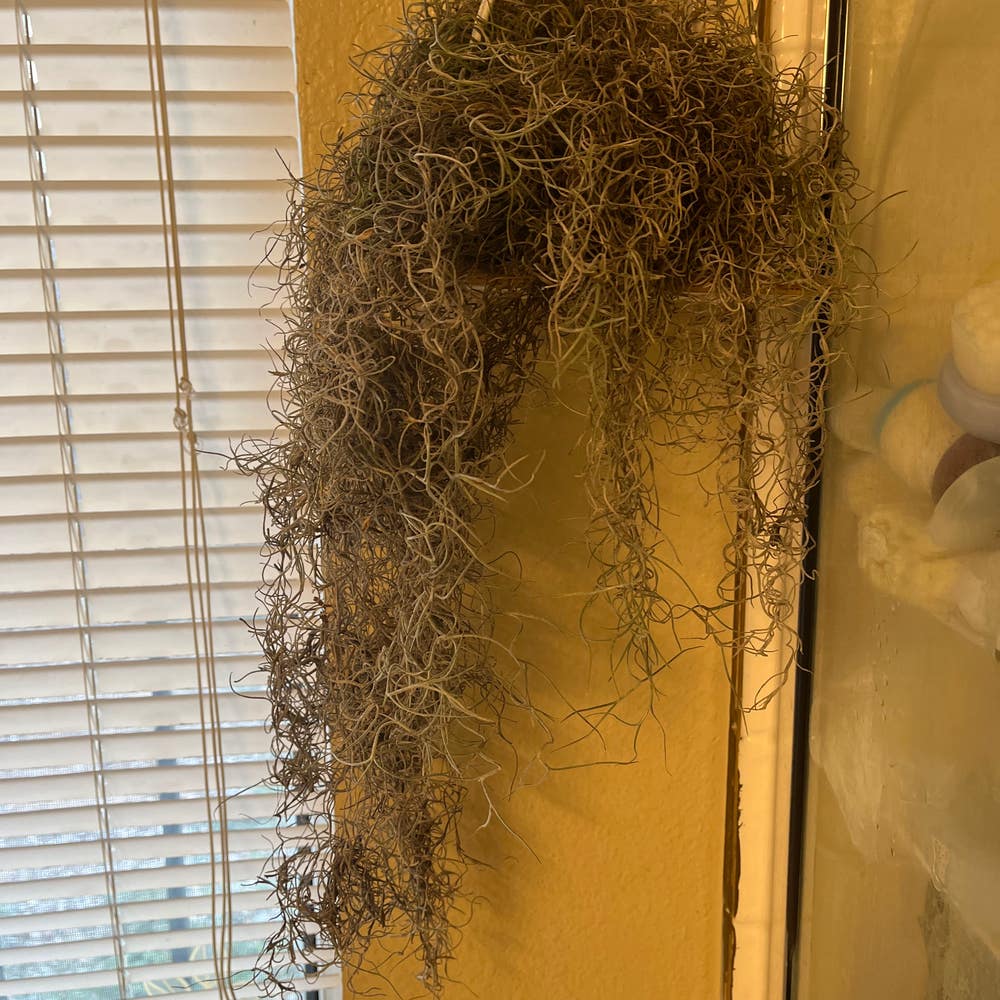
When it comes to indoor planting, the best locations are near windows that provide filtered light. Humid rooms, like bathrooms, can also create a nurturing environment for your Spanish Moss.
For outdoor planting, look for sheltered areas under trees or spots with high humidity. These conditions will help your moss flourish while keeping it safe from direct sunlight and wind.
With these strategies in mind, you’re well on your way to creating the perfect habitat for your Spanish Moss. Next, let’s explore the soil and environmental conditions that will further enhance its growth.
⚠️ Safety First
This content is for general information and may contain errors, omissions, or outdated details. It is not medical, veterinary advice, or an endorsement of therapeutic claims.
Always consult a qualified healthcare professional before using any plant as food, medicine, or supplement.
Never eat any plant (or feed one to pets) without confirming its identity with at least two trusted sources.
If you suspect poisoning, call Poison Control (800) 222-1222, the Pet Poison Helpline (800) 213-6680, or your local emergency service immediately.
Spotted an error? Please report it here.
Transform your garden with thriving Spanish Moss 🌿 by using Greg's tailored tips to ensure it gets the perfect light and humidity it loves!