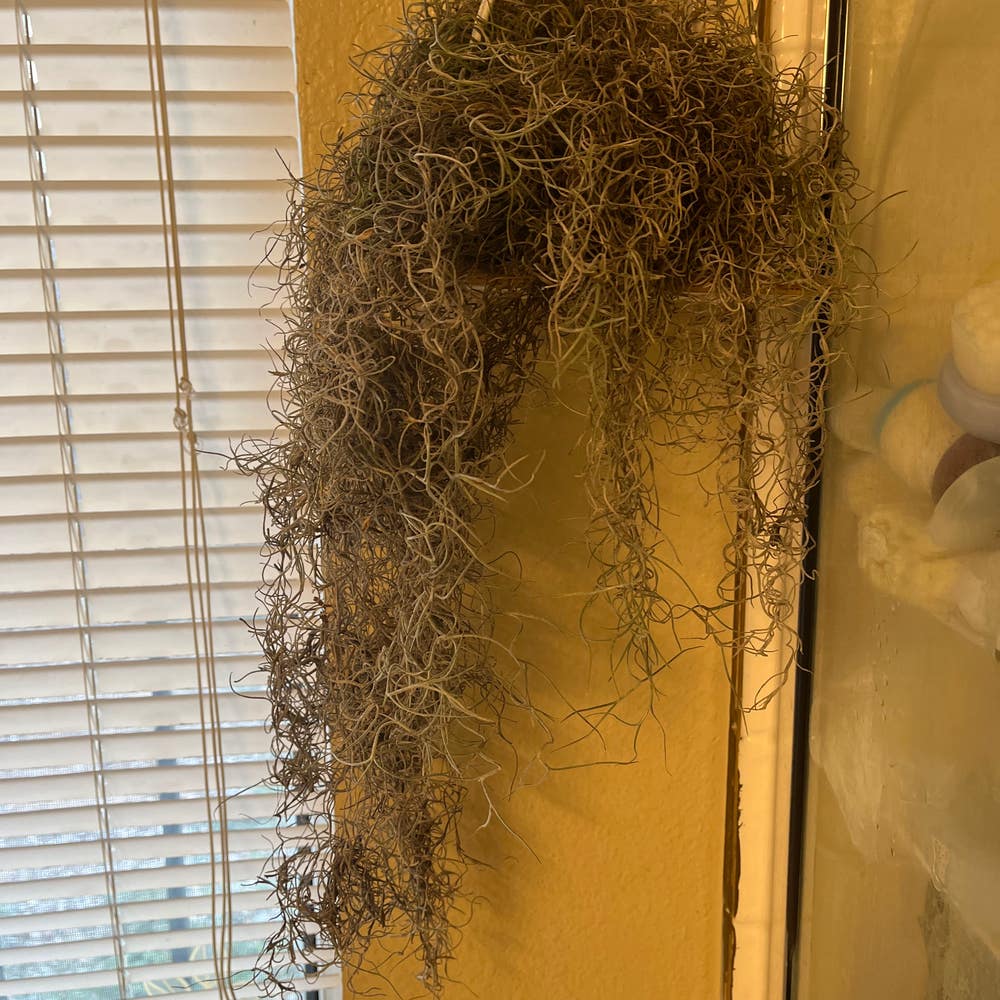
Spanish Moss Root Rot Solutions
Tillandsia usneoides
By the Greg Editorial Team
Jun 17, 2024•5 min read
This article was created with the help of AI so we can cover more plants for you. May contain errors. See one? Report it here.
Revive your Spanish Moss 🌿 from root rot's grip with our targeted rescue and prevention guide.
- Brown leaves and roots signal root rot in Spanish Moss; inspect roots for health.
- Prune and adjust environment to immediately treat and prevent root rot recurrence.
- Long-term health requires suitable containers, watering practices, and regular maintenance.
Identifying Symptoms and Diagnosing Root Rot
In the battle against root rot in Spanish Moss, vigilance is your best ally. Here's how to spot the trouble before it's too late.
🚨 Visual Symptoms of Root Rot
Keep an eye out for leaves browning, a tell-tale sign often mistaken for thirst. But don't be fooled; it's the roots that are crying out for help. They turn soft and brown, and if they come out with a gentle tug, sounding the alarm for root rot.
🕵️ Inspecting the Roots
Time to play detective. Gently lift your Spanish Moss and check the roots. Healthy roots are firm and whitish-grey, like a well-kept beard. If they're mushy or dark, you've got a case of root rot on your hands. And the smell? It's the olfactory equivalent of a red flag.
🍄 Soil and Fungal Growth
If the soil smells like a forgotten gym locker, it's probably harboring fungal growth. This isn't a science fair project you want to win. Fungal strands or a slimy texture in the soil are the root rot's calling cards.
🌱 Stunted Growth and Discolored Leaves
Stunted growth and discolored leaves are the plant's version of a distress signal. If your Spanish Moss looks more despairing than dapper, it's time to take action.
🔍 The Final Confirmation
If you're still unsure, the roots will spill the beans. Black or dark brown and slimy roots are the undeniable proof that root rot has taken hold. Remember, when in doubt, check the roots out.

Immediate Actions to Treat Root Rot
🌱 Inspect and Prune
Inspect the Spanish Moss for signs of root rot, which typically presents as brown or black, mushy roots. Prune away the affected parts with sterilized scissors to prevent further spread. This is like surgery; precision and cleanliness are key.
🧼 Disinfect and Repot
After trimming, disinfect the healthy roots using a copper-based fungicide. Repot the Spanish Moss in fresh, sterile soil that promotes good drainage. Think of this as giving your plant a clean slate.
🌬️ Environmental Adjustment
Adjust the surrounding environment to prevent recurrence. Ensure the Spanish Moss is not in overly moist conditions and that it has plenty of air circulation. It's like setting up a recovery room for optimal healing.
💊 Fungicidal Support
Consider applying a fungicide, such as mancozeb or chlorothalonil, as a backup. This is akin to providing an immune system boost to help your Spanish Moss fend off any lingering threats.
👀 Monitor Vigilantly
Finally, monitor the Spanish Moss like a hawk post-treatment. Water sparingly and only when necessary to avoid creating a hospitable environment for root rot to return. Stay alert; your plant's life depends on it.

Long-Term Treatment Strategies
🌿 Specific Treatments for Spanish Moss
Fungicides are not the go-to for Spanish Moss, as chemical treatments are sparse. However, if you're dealing with a persistent issue, consider copper fungicides. They can be effective but use them as a last line of defense. Always gear up with personal protective equipment (PPE) before application.
🌱 Soil and Container Modifications
Drainage and aeration are your best friends here. Spanish Moss isn't a fan of wet feet, so ensure your container allows for quick drying. Adding materials like perlite or pumice can enhance soil structure, preventing water from overstaying its welcome.
🌬 Improving Air Circulation
A stagnant environment is like a penthouse suite for fungi. Keep the air moving around your Spanish Moss. This doesn't mean creating a wind tunnel; just ensure there's enough airflow to discourage unwanted guests.
📦 Container Choices
Select containers that breathe. Think mesh or baskets—these are ideal for hanging your Spanish Moss, allowing for ample air circulation and reducing moisture buildup.
🌍 Long-Term Environmental Adjustments
Keep your Spanish Moss in an environment that mimics its natural habitat. This means not too hot, not too cold, and just the right amount of humidity. Regular watering indoors is crucial, especially in dry air, but remember, moderation is key.
🌿 Moss Maintenance
Even Spanish Moss needs a little TLC. Occasionally, remove dead or discolored parts to maintain health and aesthetics. It's a living thing, so show it some love and it'll thrive.

Preventative Measures for Root Rot in Spanish Moss
Watering practices are paramount in preventing root rot. Consistency is key; water your Spanish Moss when it feels dry, akin to a day-old sponge. Overwatering is a common misstep, so ensure the top inch of soil is dry before the next watering session.
🌿 Environment and Care Routine
Select an environment that mimics the Spanish Moss's natural habitat. Bright, indirect light and good air circulation are essential. After watering, shake off excess water and allow the plant to dry completely. This helps maintain the silvery hue of the leaves, indicating a healthy plant.
🌱 Soil and Container Choices
For long-term health, well-draining soil is crucial. Mix in perlite or sand to facilitate drainage. Choose a container that complements this need; it should be sized appropriately with adequate drainage holes to prevent water from pooling at the bottom.
🕵️ Monitoring and Adjustments
Regularly inspect your Spanish Moss for early signs of distress. Adjust your care routine with the changing seasons—less water in winter, more shade in summer. Keep the plant stable to avoid stress that can lead to root rot.
🚧 Quarantine New Additions
When introducing new plants to your collection, quarantine them first. This helps prevent the spread of pests or diseases that could compromise the health of your Spanish Moss.
Remember, prevention is better than cure. By adhering to these measures, you can minimize the risk of root rot and keep your Spanish Moss thriving.
⚠️ Safety First
This content is for general information and may contain errors, omissions, or outdated details. It is not medical, veterinary advice, or an endorsement of therapeutic claims.
Always consult a qualified healthcare professional before using any plant as food, medicine, or supplement.
Never eat any plant (or feed one to pets) without confirming its identity with at least two trusted sources.
If you suspect poisoning, call Poison Control (800) 222-1222, the Pet Poison Helpline (800) 213-6680, or your local emergency service immediately.
Spotted an error? Please report it here.
Combat root rot in Spanish Moss 🌿 with ease by following Greg's tailored care reminders and environment adjustments for a lush, healthy plant.