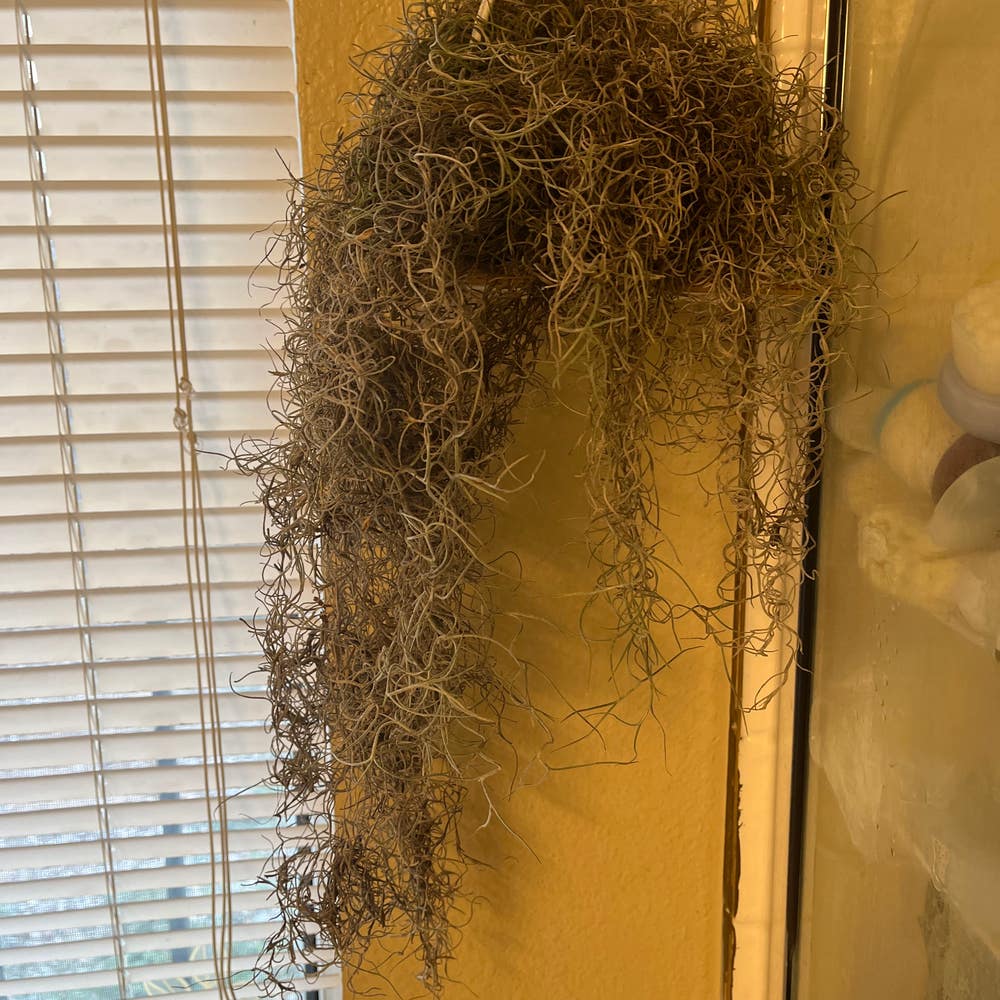
🌡 What Is A Good Temperature Range For My Spanish Moss?
Tillandsia usneoides
By the Greg Editorial Team
Jun 17, 2024•4 min read
This article was created with the help of AI so we can cover more plants for you. May contain errors. See one? Report it here.
Keep your Spanish Moss lush 🌿 by nailing the perfect warm and humid conditions it loves!
- Optimal 50-80°F range for healthy Spanish Moss growth.
- Browning and wilting indicate stress; adjust location and humidity.
- Humidity over 50% buffers temperature, prevents rapid drying.
Optimal Temperature Range for Spanish Moss
Spanish Moss thrives in warm conditions. Specifically, it favors temperatures between 50-80°F (10-27°C). This range supports robust growth, allowing the plant's physiological processes to function effectively.
🌡️ Consequences of Temperature Deviation
Straying outside the optimal temperature range invites trouble. Too cold, and Spanish Moss risks frost damage, particularly if moisture is present. Too hot, and the plant may dehydrate, especially if humidity levels are insufficient. Consistent temperatures are your goal; avoid the drama of temperature swings that can stress your plant out.

Recognizing and Addressing Temperature Stress
🌡️ Signs of Temperature Stress
Browning and wilting are the tell-tale signs that your Spanish Moss is throwing a temperature tantrum. It's like the plant's version of sending out an SOS—something's not right. If you spot these symptoms, it's time to play detective and pinpoint the cause.
🌞 Common Causes of Temperature Stress
The usual suspects for temperature stress include direct sunlight and drafts, both hot and cold. Spanish Moss enjoys stability, so any drastic changes can trigger a stress response. Think of it as the plant's way of saying, "I'm not a fan of surprises."
🔥 Heat Stress
When the heat cranks up, Spanish Moss might start to look as parched as a tourist lost in the desert. Leaves can become dry, thin, and wrinkled. It's a sign that your plant is begging for a break from the heat—so consider moving it to a cooler spot or providing some shade.
❄️ Cold Stress
Conversely, cold drafts or freezing conditions can turn your Spanish Moss into a botanical ice sculpture. Leaves may become discolored, mushy, and black—like frostbite on foliage. At this point, your Spanish Moss is sending a clear message: "I'm not built for the tundra."
🛠 Addressing Temperature Stress
Once you've identified the issue, it's time to take action. Move your Spanish Moss away from that drafty window or out of the scorching sun. If cold is the culprit, think insulation—create a barrier to keep the chill at bay. Remember, your Spanish Moss isn't just being dramatic; it's genuinely struggling to adapt to the less-than-ideal conditions you've set up.

Strategies for Temperature Regulation
🌡️ Indoor Placement Tips
Indoor placement is crucial for maintaining the ideal temperature range for Spanish Moss. Keep it away from air vents and drafty windows to avoid sudden temperature fluctuations. Remember, Spanish Moss isn't a fan of the cold shoulder or a hot-headed environment.
🌡️ Temperature Control Methods
Invest in a thermostat to keep a consistent climate, because let's face it, Spanish Moss doesn't do well with temperature drama. If it's too cold, a small space heater can work wonders, just don't turn your living room into a sauna.
🌡️ Shielding from Extremes
For outdoor growers, frost is a no-go. Use frost blankets or bring your Spanish Moss inside when temperatures threaten to dip too low. During heatwaves, a bit of shade can prevent your moss from feeling like it's in a desert mirage.
🌡️ Humidity and Temperature
Remember, humidity is the Spanish Moss's best friend. A humidifier can be a lifesaver during dry winters, and a bathroom window can be the perfect spa retreat for your moss, thanks to the steamy showers. Keep the air moist, and your Spanish Moss will be less stressed about the temperature.
🌡️ Environmental Adjustments
If your indoor jungle is turning into a desert, consider using fans or air conditioning to cool things down. Just make sure your Spanish Moss isn't in the direct line of fire; it's not training for an endurance race against the elements.

The Role of Humidity in Temperature Management
Spanish Moss thrives in high humidity, with optimal levels over 50%. Humidity acts as a temperature buffer, enhancing the plant's resilience to heat and preventing rapid drying.
🌡️ Understanding the Humidity-Temperature Relationship
Warm air can hold more moisture, making it crucial to maintain a consistent environment. A room at 80°F with high humidity feels more tropical than one at 60°F with the same humidity level.
🌴 Creating a Humid Haven
Grouping plants together or placing Spanish Moss in a bathroom can create a microclimate that naturally boosts humidity. In drier conditions, a humidifier can be a plant's best friend, allowing for precise moisture control.
🌿 Humidity's Impact on Plant Health
Proper humidity levels prevent the leaves from drying out and support essential processes like transpiration and photosynthesis. Conversely, low humidity can lead to wilting, stunted growth, and increased susceptibility to pests.
📊 Monitoring and Adjusting Humidity
Keep an eye on indoor humidity levels, especially during winter when indoor air tends to be drier. Use tools like hygrometers or HVAC systems to monitor and adjust the humidity to create the ideal conditions for your Spanish Moss.
⚠️ Safety First
This content is for general information and may contain errors, omissions, or outdated details. It is not medical, veterinary advice, or an endorsement of therapeutic claims.
Always consult a qualified healthcare professional before using any plant as food, medicine, or supplement.
Never eat any plant (or feed one to pets) without confirming its identity with at least two trusted sources.
If you suspect poisoning, call Poison Control (800) 222-1222, the Pet Poison Helpline (800) 213-6680, or your local emergency service immediately.
Spotted an error? Please report it here.
Ensure your Spanish Moss is always in its happy zone 🌡 with Greg's custom alerts for temperature and humidity, keeping your plant perfectly pampered.