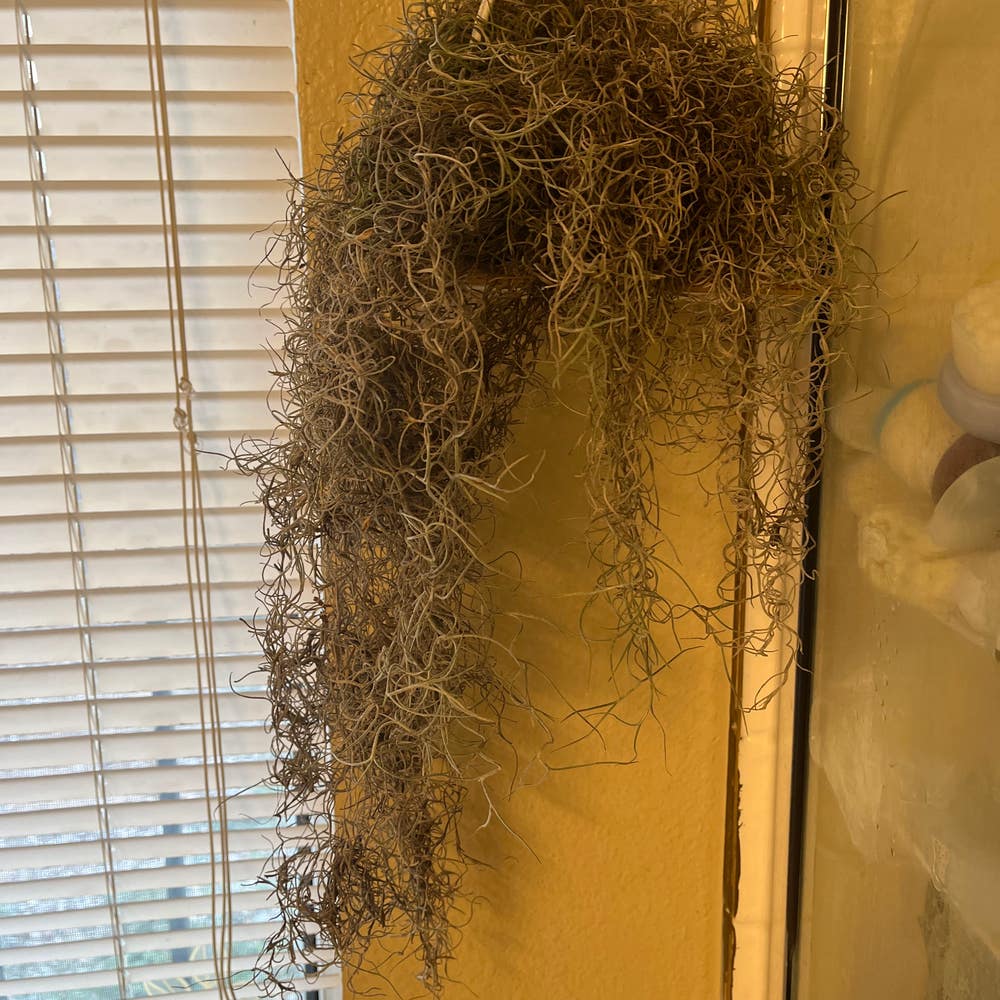
Why Are My Spanish Moss Leaves Falling Over?
Tillandsia usneoides
By the Greg Editorial Team
Jun 17, 2024•6 min read
This article was created with the help of AI so we can cover more plants for you. May contain errors. See one? Report it here.
Prevent Spanish Moss despair 🍂 with these proven tips to keep leaves lush and intact!
- Balanced moisture is key; mist leaves and monitor soil to prevent leaf drop.
- Protect from environmental stress: indirect light, stable temps, and humidity control.
- Prevent pests and diseases with regular inspections and natural treatments like neem oil.
Balancing Moisture to Prevent Leaf Drop
Spanish Moss thrives on just-right moisture. Signs of dehydration include wrinkled leaves and a dull, grayish hue. Conversely, overwatering can lead to a mushy mess.
🚰 Identifying Signs of Dehydration and Overwatering
Dry, brown tips scream thirst, while a droopy demeanor hints at overindulgence. If your Spanish Moss looks more like a raisin than a lush green waterfall, it's time to up the hydration game.
🌿 Best Practices for Watering
Mist the leaves to mimic their natural habitat—think gentle rain, not a monsoon. Aim for a nightly spritz with unchlorinated water; rainwater is your plant's best friend. Keep the center dry to avoid rot.
💦 Humidity Management Techniques
Create a microclimate with a pebble tray or group your green buddies together. A humidifier can also save the day, especially when indoor air is drier than a stand-up comedian's wit.
🌱 Monitoring Soil Moisture for Watering Cues
Touch the top inch of soil; if it's dry, water away. But if it feels like a sponge, hold off. Overwatering can turn your Spanish Moss into a breeding ground for fungal fiestas.
🌧️ Immediate Steps to Treat Mushy Leaves
If overwatering has left your plant with the soggy blues, it's time to cut back. Prune cautiously—think of it as giving your plant a haircut, not a buzz cut.
Remember, Spanish Moss is not a fan of wet feet. Keep it hydrated but not drowned.

Mitigating Environmental Stressors
💧 Recognizing Environmental Factors
Spanish Moss thrives in environments that mimic its natural habitat. Browning leaves often signal a cry for moisture. To prevent this, ensure your moss is in a light and humid space, like a bathroom, and steer clear of direct sunlight to avoid scorching. Remember, this epiphyte doesn't need soil—let it hang freely for a true touch of the wild.
🌿 Creating a Stable Environment
Humidity is your moss's best friend. Use a pebble tray or place a humidifier nearby to maintain ambient moisture. Watch out for central heating during winter, as it can dry out the air; misting or soaking in rainwater can be a lifesaver. Also, be mindful of airflow—too much can be just as harmful as too little. Keep conditions consistent, because like a startled cat, Spanish Moss doesn't appreciate surprises.

Tackling Pests and Diseases Affecting Leaf Stability
👾 Recognizing the Enemy: Pests
Spanish Moss is often touted as pest-resistant, but that doesn't mean it's invincible. Vigilance is key. Spider mites and aphids are the sneakiest of the bunch, often going unnoticed until they've turned your plant into their personal salad bar. These critters suck the life out of leaves, leading to the dreaded droop.
🍄 Fungal Foes and How to Fight Them
Fungal infections like anthracnose and powdery mildew are the party crashers of the plant world, leaving a trail of brown spots and wilted leaves. If you spot a fungal fiesta on your Spanish Moss, it's time to break out the fungicides. Copper-based options are a go-to, but always check the label—Spanish Moss is delicate, and you don't want to go from plant parent to plant punisher.
🦠 Bacterial Battles
Bacterial leaf spot can be a real buzzkill, turning your lush Spanish Moss into a spotty mess. If you catch it early, a bactericide could save the day. Just like with fungicides, read the instructions carefully to avoid a botanical faux pas.
🛡️ The Art of Prevention
Preventing pests and diseases is like avoiding spoilers for your favorite show—it takes constant vigilance. Regular inspections are non-negotiable. Look under leaves, around stems, and be on the lookout for any unwelcome visitors or suspicious spots.
🐞 Introducing the Hitmen
Sometimes, you've got to fight nature with nature. Beneficial bugs like ladybugs can be your hired hitmen, taking out aphids with ruthless efficiency. It's a natural and satisfying solution to pest problems.
✂️ When to Prune
If your Spanish Moss is looking more spotted than a leopard, it's time for some strategic pruning. Remove any infected or dead material to stop the spread of disease. It's not just about aesthetics—it's about plant health.
🌿 The Neem Oil Advantage
For an all-around MVP, neem oil is your guy. It's a natural pesticide that can help with a variety of pests and diseases. Just remember, a little goes a long way, and always test it on a small area first to avoid any tragic mishaps.
🧼 Keeping It Clean
Hygiene is as important for plants as it is for humans. Keeping your Spanish Moss free from decaying matter and avoiding wounding the foliage are simple yet effective ways to prevent diseases like anthracnose. It's the plant equivalent of washing your hands—basic but crucial.
Remember, the goal is to keep your Spanish Moss looking like it's fresh out of a botanical garden, not a plant horror movie. Regular care, proper treatment, and a bit of bug warfare should keep those leaves firmly in place.

Strategic Placement and Care to Avoid Falling Leaves
🌿 The Right Spot for Spanish Moss
Location is key. Spanish moss thrives in bright, indirect light, mimicking its natural habitat under tree canopies. Direct sunlight is a no-go; it's like putting a vampire in a tanning bed—just don't. Find a sweet spot where the light is just right, and your Spanish moss will hang in there, quite literally.
💧 Keeping the Balance
Watering your Spanish moss is like walking a tightrope—too much, and it's a soggy mess; too little, and it's a dry tangle. Let it dry out between waterings, and give it a gentle shake to avoid waterlogging. Remember, a happy Spanish moss is a dry one.
✂️ Routine Care Tips
Pruning isn't just for show; it's a necessity. Get rid of any dead or dying bits to keep your moss in top shape. And cleanliness is next to godliness—keep the area around your plant free from debris to fend off any potential pest invasions or fungal raves.
🌡️ Environmental Harmony
Temperature stability is like comfort food for Spanish moss. Avoid the drama of temperature swings; keep it as even as you can. And while we're at it, let's talk humidity. Spanish moss loves it, so consider misting or a pebble tray to keep the air around it as moist as a morning dew.
👀 A Watchful Eye
Regular check-ups are the plant equivalent of a yearly physical. Peek under the leaves, inspect the stems, and be on the lookout for any unwanted guests. Prevention is better than cure, and a vigilant eye can save you a world of trouble.
Quick Tips
- Place in bright, indirect light.
- Allow to dry between waterings.
- Prune regularly.
- Maintain consistent temperatures.
- Keep an eye out for pests and diseases.
Remember, Spanish moss doesn't ask for much—a bit of care, the right spot, and some attention to detail. Treat it right, and it'll reward you by staying put, no falling leaves in sight.
⚠️ Safety First
This content is for general information and may contain errors, omissions, or outdated details. It is not medical, veterinary advice, or an endorsement of therapeutic claims.
Always consult a qualified healthcare professional before using any plant as food, medicine, or supplement.
Never eat any plant (or feed one to pets) without confirming its identity with at least two trusted sources.
If you suspect poisoning, call Poison Control (800) 222-1222, the Pet Poison Helpline (800) 213-6680, or your local emergency service immediately.
Spotted an error? Please report it here.
Keep your Spanish Moss thriving 🌿 with Greg's tailored reminders to mist and monitor moisture, ensuring your greenery never turns into a mushy mess.