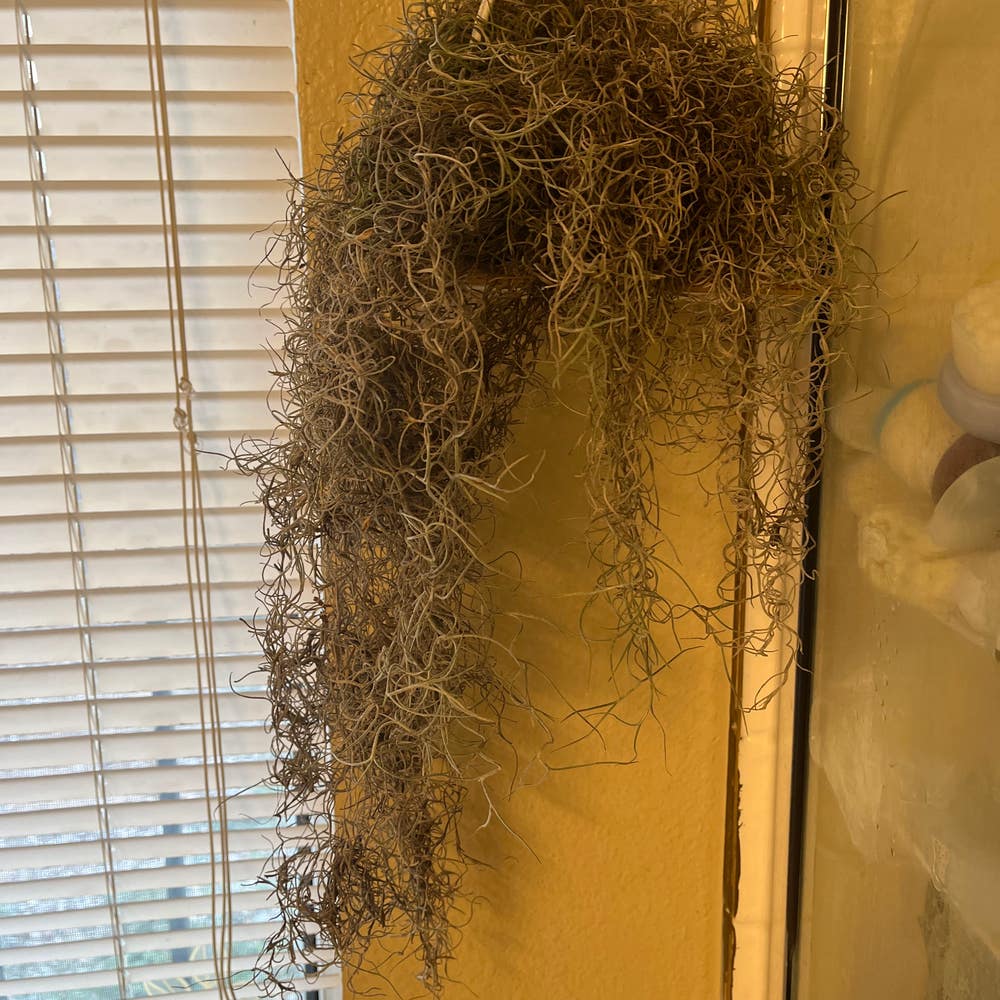
🌞 Is My Spanish Moss Getting Too Much Direct Sunlight?
Tillandsia usneoides
By the Greg Editorial Team
Jun 17, 2024•8 min read
This article was created with the help of AI so we can cover more plants for you. May contain errors. See one? Report it here.
Shield your Spanish Moss from sunburn 🌞 and master its growth with the right light balance! 🌿
- Partial shade is key for Spanish Moss to avoid sunburn.
- 🌿 Indirect light promotes growth without risking health.
- Rotate and shield to manage sunlight exposure effectively.
Defining Direct vs. Indirect Sunlight
Direct sunlight is the MVP of light, hitting the Earth's surface full throttle, no clouds to block its slam dunk. Imagine standing outside at noon on a sunny day; that heat you feel cooking your skin? That's direct sunlight in all its glory.
Indirect sunlight, on the other hand, is like the cool cousin who prefers to bounce around—reflecting off clouds, dust, and other atmospheric particles before it reaches us. It's the light that fills the room without casting harsh shadows, like on a cloudy day or in the shade.
🌞 Direct Sunlight: The Intense Player
Direct sunlight is the heavyweight champion of brightness and warmth. It's the kind of light that can give you a tan or, if you're not careful, a sunburn.
🌥 Indirect Sunlight: The Subtle Touch
Indirect sunlight is more of a gentle caress. It's the diffused light that doesn't come with the risk of turning you into a lobster. It's what plants in the wild thrive on under the canopy of trees.
Kids' Corner: Light Explained
To put it in playground terms: direct sunlight is like when you're on the swing and someone pushes you straight on—you go high and fast. Indirect sunlight is like getting pushed from the side; you still swing, but it's a softer, more mellow ride.
Real Talk: Why It Matters
Understanding the difference is crucial, not just for sunbathing and solar panels, but for keeping your Spanish Moss from becoming crispy critters. Too much direct sun, and you might as well be cooking up a batch of plant jerky.

Spanish Moss and Direct Sunlight: A Delicate Balance
💡 Understanding the Light Needs
Spanish Moss, that ethereal drapery often seen gracing the limbs of live oaks, has a love-hate relationship with direct sunlight. It craves light but can't handle the heat, much like a fair-skinned beachgoer who forgot their umbrella.
🌞 The Balance Act
Bright but not blazing—that's the mantra for Spanish Moss care. It thrives in environments that mimic its native haunts: dappled sunlight filtering through tree canopies. Too much direct sun, and it's a recipe for a crispy plant.
💡 Sunlight Exposure
In its natural habitat, Spanish Moss luxuriates in the high humidity and filtered light of the Southeastern United States. In your home, mimic this by placing it near a window with sheer curtains or under the protection of a larger plant.
💡 Shade Is Your Ally
Remember, Spanish Moss is not a cactus. It won't bask in the midday sun like a sunbather seizing summer. Partial shade is its comfort zone, where it can photosynthesize without the threat of sunburn.
💡 Signs of Distress
Keep an eye out for color changes or dry, brittle texture—these are distress signals. If your Spanish Moss is turning a bleached gray or brown and feels like it's been through a desert, it's time to dial down the sunlight.
💡 Adjusting for Seasons
As the seasons change, so should your approach to light exposure. The gentler rays of winter might allow for closer proximity to windows, while the intense summer sun calls for retreat to shadier locales.
💡 Final Thought
In essence, caring for Spanish Moss is like crafting the perfect mojito—balance is key. Too much lime and it's sour, too much rum and you're over the edge. Aim for that sweet spot where every sip—or in this case, every ray of light—is just right.

Growth Patterns of Spanish Moss in Direct Sunlight
In the realm of Spanish Moss, direct sunlight is like a double-edged sword. It can promote vigorous growth, but too much can be detrimental. Here's the lowdown on how to hit the sweet spot for your mossy friend.
🌞 The Effects of Direct Sunlight
Spanish Moss basks in the glory of bright, indirect light, but direct sunlight? That's a different story. When exposed to the harsh rays, the moss can experience a growth spurt, but at the cost of its health. It's like feeding it a sugar rush—quick energy, followed by a potential crash.
Signs of Optimal Sunlight Exposure
Golden rule: If your Spanish Moss looks like it's thriving without a sunburn, you're on the right track. Look for a lush, green appearance, and growth that's more marathon than sprint. If it's sporting crispy edges or a bleached-out look, it's time to dial down the sunbathing sessions. Keep an eye out for these signs:
- Consistent color without fading
- Steady growth, not a sudden burst
- No signs of scorching or withering
Remember, Spanish Moss is more of a shade-seeker than a sun-worshipper. Keep it cool, keep it bright, but keep it out of the direct line of fire from our nearest star.

Flowering and Sunlight: Is There a Connection?
Direct sunlight is a bit of a diva when it comes to the flowering of Spanish Moss. While these ethereal strands don't flower as conspicuously as your garden-variety rose, they do produce tiny, scented blooms under the right conditions.
🌞 The Sunlit Stage for Blooming
Spanish Moss craves bright but indirect light to hit the sweet spot for flowering. Think of it like a celebrity that needs good lighting for the perfect photo—it's all about the right angle and intensity.
🕵️ Spotting the Signs of Adequate Light
You'll know your Spanish Moss is soaking up enough rays for flowering when you see small greenish-blue flowers. These blooms are like rare jewels, often hidden in the cascading silver-gray foliage.
🌼 The Flowering Phenomenon
It's not just about the light; it's also about the darkness. Studies have shown that it's the uninterrupted dark periods that cue these plants to produce flowers. So, if your Spanish Moss is throwing a non-flowering tantrum, consider if it's getting too much light at night.
🕵️♂️ Light Check for Potential Bloomers
If you're questioning whether your Spanish Moss is getting enough light to flower, observe its growth vigor and color. Lackluster and overly stretchy growth often signals a plea for more light.
Remember, while Spanish Moss won't throw a fit like some high-maintenance plants without perfect conditions, it does appreciate attention to its lighting needs for that occasional floral show.
Hemispheric Considerations for Sunlight Exposure
🌎 Window Direction and Sunlight
In the Northern Hemisphere, south-facing windows are the sun's VIP lounge, dishing out the most intense light show. East-facing is the chill cousin, offering a milder, morning-only gig. Conversely, in the Southern Hemisphere, it's the north-facing windows that hog the limelight, basking in the sun's full attention.
🌿 Adjusting Spanish Moss Care by Hemisphere
For those living up north, placing your Spanish Moss near an east-facing window is like giving it a backstage pass to the perfect light—bright yet indirect. Down south, aim for a spot that gets the morning or late afternoon sun, avoiding the harsh midday performance. Rotate your moss regularly to ensure it gets an even tan, and consider sheer curtains as your go-to sunblock.
Remember, your Spanish Moss isn't seeking a sunbathing competition—it's more about the right balance of light for that lush, green vibe. Keep an eye on it; if it starts to look more like it's been on a desert trek than in a cozy nook, it's time to adjust its spot or shield it from those rays.
Practical Tips for Sunlight Management
🌞 Positioning and Protective Barriers
Positioning your Spanish Moss can be the difference between a thriving plant and a crispy critter. Avoid placing it right next to a south or west-facing window where the sun's rays are most intense. Instead, create a buffer zone by moving it a few feet away. This simple step can save your moss from the sun's full wrath.
🏖 Sheer Curtains: The Plant's Sunscreen
Think of sheer curtains as sunscreen for your Spanish Moss. They soften the sun's glare, turning what could be a lethal dose of radiation into a pleasant glow. It's a no-brainer, really.
🔄 Rotate for Even Sun Exposure
Rotate your Spanish Moss regularly. It's not just about fairness, ensuring each side gets its turn in the limelight; it's about preventing lopsided growth and burnout.
🛡️ UV Protective Film: Invisible Shield
For the tech-savvy, consider applying a UV protective film to your windows. It's like giving your Spanish Moss an invisible suit of armor against harmful rays.
🚨 Recognizing Sunlight Stress
When your Spanish Moss gets too much sun, it won't stay silent. Yellowing leaves, brown patches, or scorched tips are its way of screaming for a change. Pay attention and act before your plant stages a full-blown protest.
💡 Artificial Grow Lights: Controlled Sunshine
When natural light is playing hard to get, artificial grow lights can step in. They're like a controllable mini-sun, giving you the power to prevent the Spanish Moss equivalent of a sunburn. Remember, moderation is key—keep it indirect and gentle.
⚠️ Safety First
This content is for general information and may contain errors, omissions, or outdated details. It is not medical, veterinary advice, or an endorsement of therapeutic claims.
Always consult a qualified healthcare professional before using any plant as food, medicine, or supplement.
Never eat any plant (or feed one to pets) without confirming its identity with at least two trusted sources.
If you suspect poisoning, call Poison Control (800) 222-1222, the Pet Poison Helpline (800) 213-6680, or your local emergency service immediately.
Spotted an error? Please report it here.
Keep your Spanish Moss thriving 🌿 with Greg's PlantVision, which helps you find the perfect spot for indirect sunlight and sends reminders to rotate your plant for even growth.