8 Tips for Fixing Flower Problems in Salmon Rose 🌹
Rosa spp.
By the Greg Editorial Team
Nov 23, 2024•5 min read
This article was created with the help of AI so we can cover more plants for you. May contain errors. See one? Report it here.
- 🌞 Salmon roses need 6-8 hours of sunlight daily for optimal blooming.
- 🌱 Balanced NPK fertilizer (5-10-5) boosts flowering; apply every 4-6 weeks.
- 💧 Consistent watering and well-draining soil prevent root rot and flower drop.
Failure to Bloom
🌞 Causes
Insufficient Light
Light is vital for photosynthesis, which fuels energy production in plants. Salmon roses thrive with 6-8 hours of direct sunlight daily to encourage blooming.
Nutrient Deficiencies
Key nutrients like nitrogen, phosphorus, and potassium are essential for flowering. Watch for signs such as yellowing leaves and stunted growth, which indicate nutrient deficiencies.
Improper Watering
Overwatering can lead to root rot, depriving roots of oxygen. Conversely, underwatering stresses the plant, often resulting in a failure to bloom.
💡 Solutions
Adjusting Light Exposure
To boost blooming, consider moving your plants to sunnier spots or trimming surrounding foliage that blocks light. This simple adjustment can make a significant difference.
Fertilization Tips
Utilize a balanced fertilizer high in phosphorus during the bloom cycle. An NPK ratio of 5-10-5 is recommended to support vibrant flowers.
Watering Techniques
Water your plants deeply but infrequently to promote robust root growth. Always check soil moisture before watering; aim for slightly moist soil to avoid stress on your salmon roses.
By addressing these common causes and implementing effective solutions, you can encourage your salmon roses to bloom beautifully. Next, let’s explore the issue of premature flower drop and how to prevent it.
Premature Flower Drop
🌡️ Causes
Environmental Stress
Temperature fluctuations and sudden changes in humidity can create significant stress for your Salmon Rose. This stress often manifests as buds dropping before they have a chance to bloom.
Overwatering
Overwatering is another culprit that can lead to premature flower drop. Symptoms include wilting leaves and soggy soil, which can ultimately cause root rot and result in flowers falling off.
Pest Infestations
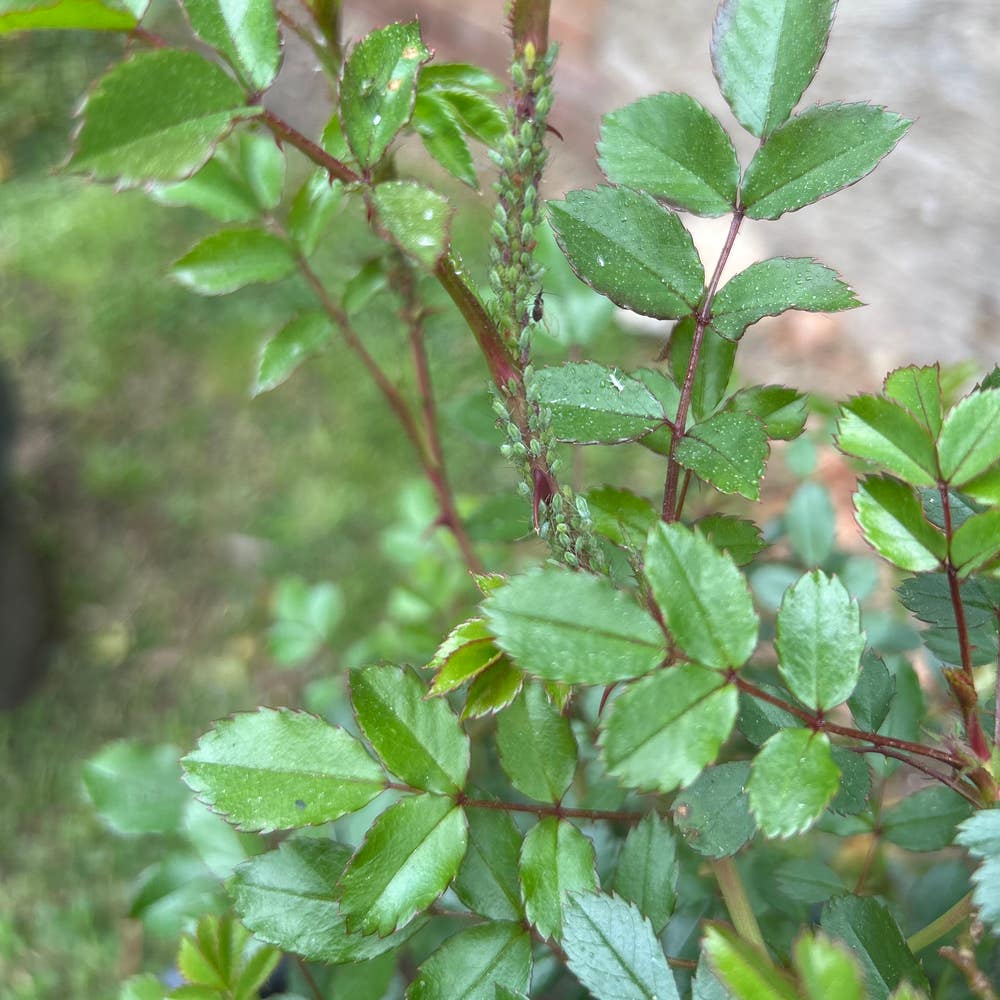
Pests like aphids and spider mites can wreak havoc on your plants. Look for signs such as distorted leaves or a sticky residue on the foliage, indicating that your flowers are under attack.
🛠️ Solutions
Identifying Stress Factors
Start by monitoring your plant's environment closely. Adjust temperature and humidity levels as needed to alleviate stress.
Proper Watering Practices
Establish a consistent watering schedule tailored to the weather conditions. Using well-draining soil is crucial to prevent waterlogging, which can lead to root issues.
Pest Control Methods
Consider introducing beneficial insects like ladybugs to combat pests naturally. If infestations persist, using insecticidal soap or neem oil can help protect your plants effectively.
By addressing these causes and implementing the suggested solutions, you can help your Salmon Rose thrive and enjoy a vibrant blooming season. Next, let’s explore abnormal flower development and how to tackle that issue effectively.
Abnormal Flower Development
🌱 Causes
Genetic Factors
Genetic variability can lead to differences in flower shape and color. This means that even within the same plant species, you might see a range of blooms.
Nutrient Imbalances
Excess nitrogen can result in lush foliage but poor blooms. Signs of nutrient imbalance include poor flower size and color, which can be frustrating for any gardener.
Disease
Diseases like powdery mildew and black spot can severely affect flower development. These issues not only hinder blooming but can also spread quickly if not managed.
🛠️ Solutions
Soil Testing
Conducting soil tests is essential to determine nutrient levels and pH. Based on the results, you can adjust soil amendments to create a more favorable environment for your plants.
Balanced Fertilization
Using fertilizers with balanced NPK ratios supports healthy growth. This approach ensures that your plants receive the right nutrients at the right time, promoting vibrant blooms.
Disease Management
Implementing crop rotation and removing infected plant material can help manage diseases effectively. Additionally, using fungicides as a preventive measure can protect your plants from future outbreaks.
By addressing these factors, you can significantly improve flower development in your salmon roses. This proactive approach not only enhances the beauty of your garden but also fosters a healthier growing environment.
Next, let’s explore the nutritional needs essential for flowering.
Nutritional Needs for Flowering
🌸 Essential Nutrients for Blooming
To achieve vibrant blooms, your Salmon Rose needs specific nutrients. Phosphorus is essential for bud formation and flowering, while potassium enhances flower quality and boosts disease resistance.
Recognizing nutrient deficiencies is crucial for maintaining plant health. Look for signs such as leaf discoloration, poor growth, and reduced flowering, which indicate that your plant may need a nutrient boost.
🌱 Fertilization Techniques
Choosing the right fertilizer can make all the difference. Opt for slow-release fertilizers that emphasize phosphorus to support blooming.
Timing is key when it comes to fertilization. Aim to fertilize every 4-6 weeks during the growing season, and remember to avoid fertilizing during the plant's dormancy period to prevent stress.
With the right nutrients and fertilization techniques, your Salmon Rose will thrive and produce stunning flowers. Next, let’s explore how environmental factors can further influence flowering success.
Environmental Factors Affecting Flowering
🌊 Soil Moisture Management
Proper watering is crucial for the health of your Salmon Rose. Consistent moisture levels promote robust root systems, which are essential for nutrient uptake and overall plant vitality.
Overwatering can lead to yellowing leaves and mushy roots, signaling root rot. Conversely, underwatering results in wilting and dry soil, stressing the plant and hindering its ability to bloom.
🌡️ Temperature and Humidity
Creating the right environment is key to successful flowering. The ideal temperature range for Salmon Rose is between 20°C to 25°C (68°F to 77°F), while humidity levels should hover around 40-60%.
To manage these conditions effectively, consider using mulch to retain soil moisture and regulate temperature. For indoor plants, employing humidifiers or pebble trays can help maintain the necessary humidity levels, ensuring your flowers thrive.
By paying attention to these environmental factors, you can significantly enhance the blooming potential of your Salmon Rose. Next, we’ll explore the nutritional needs essential for vibrant flowering.
⚠️ Safety First
This content is for general information and may contain errors, omissions, or outdated details. It is not medical, veterinary advice, or an endorsement of therapeutic claims.
Always consult a qualified healthcare professional before using any plant as food, medicine, or supplement.
Never eat any plant (or feed one to pets) without confirming its identity with at least two trusted sources.
If you suspect poisoning, call Poison Control (800) 222-1222, the Pet Poison Helpline (800) 213-6680, or your local emergency service immediately.
Spotted an error? Please report it here.
Transform your salmon roses into blooming beauties 🌹 by using Greg's tailored care reminders and nutrient tracking to ensure they get the perfect conditions for thriving flowers!