🌹 Roses: An Invasive Plant
Rosa spp.
By the Greg Editorial Team
Oct 09, 2024•7 min read
This article was created with the help of AI so we can cover more plants for you. May contain errors. See one? Report it here.
- 🌹 Invasive roses like Rosa multiflora and Rosa rugosa disrupt ecosystems and outcompete natives.
- ⚠️ Control methods include manual removal, herbicides, and biological options for effective management.
- 🌍 Community awareness and early detection are crucial to combat invasive rose spread.
Identification
Key Features 🌹
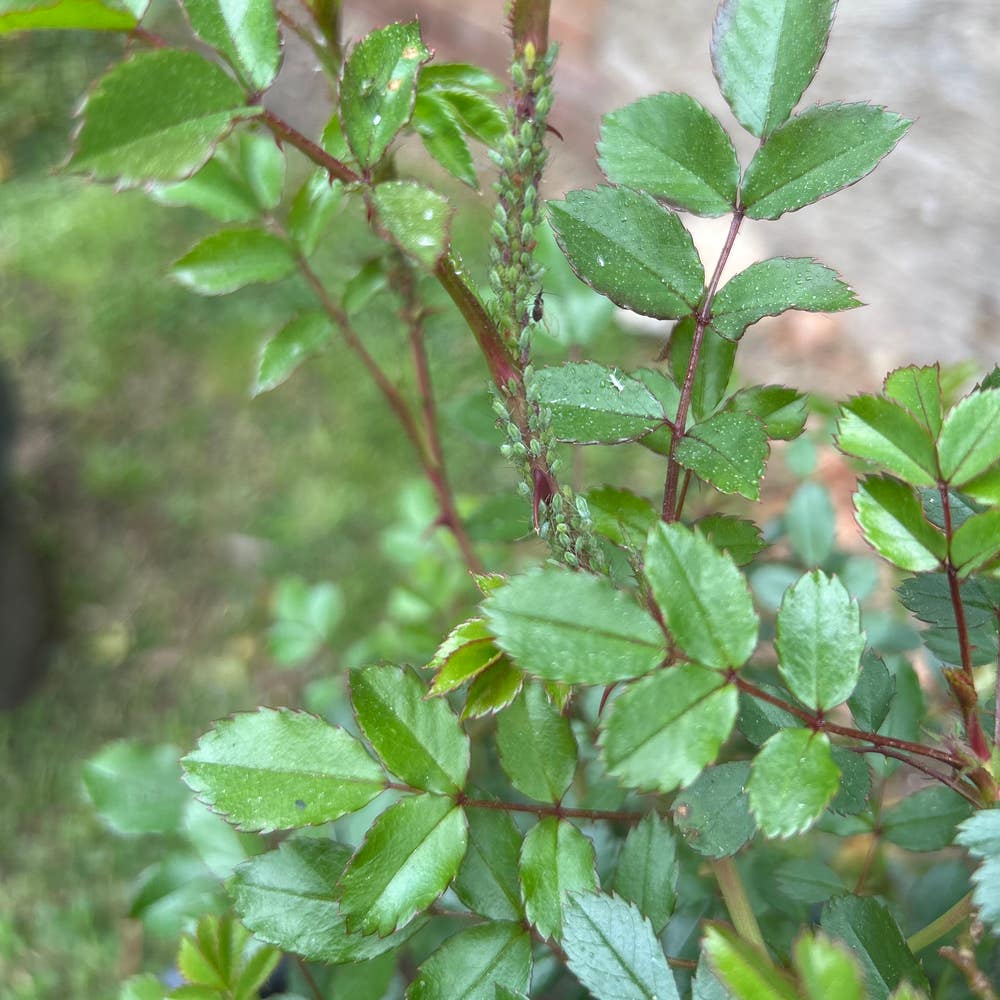
Roses, particularly invasive varieties like Rosa multiflora and Rosa rugosa, have distinct physical characteristics. Their leaves are typically serrated, with a glossy green appearance, while their flowers can range from white to deep pink, often blooming in clusters.
Thorns are a notable feature, making these plants formidable. They can grow bushy, sprawling, or even climbing, adapting to various environments with ease.
Common Varieties 🌼
- Rosa multiflora: Known for its vigorous growth and clusters of small white flowers, this variety can quickly dominate an area.
- Rosa rugosa: Recognized for its fragrant, large blooms and thick, wrinkled leaves, it often thrives in coastal regions.
Look-Alike Plants 👀
Identifying invasive roses can be tricky due to look-alike species, such as native roses.
Key differences include:
- Native roses typically have fewer thorns and more delicate flowers.
- Invasive varieties often exhibit a more aggressive growth habit, overshadowing their native counterparts.
Understanding these distinctions is crucial for effective management and conservation efforts.
Growth Habits and Spread
🌱 Growth Patterns
Invasive roses can take on various growth forms, including bushy, sprawling, or climbing. Their growth rate is typically vigorous, allowing them to dominate landscapes quickly, especially during the growing season.
These plants often exhibit seasonal behavior, thriving in warmer months and becoming dormant in colder weather. Their adaptability to different climates contributes to their rapid spread.
🌼 Reproductive Strategies
Invasive roses are prolific seed producers, generating thousands of seeds that can germinate under favorable conditions. These seeds often require specific moisture levels and temperatures to sprout, making them resilient in various environments.
Additionally, these plants can reproduce vegetatively through root suckering and layering. This means that even if the above-ground parts are removed, new plants can emerge from the roots, complicating control efforts.
🌍 Adaptability
Invasive roses thrive in a wide range of habitats, from disturbed areas to wetlands and forests. Their ability to adapt to diverse ecosystems is a key factor in their success.
Several elements contribute to their invasiveness, including their aggressive growth, high reproductive rates, and resilience to environmental stressors. This adaptability allows them to outcompete native flora, leading to significant ecological consequences.
Understanding these growth habits and reproductive strategies is crucial for effective management and control of invasive roses. Next, we will explore their ecological impact on native communities and wildlife.
Ecological Impact
Effects on Native Communities 🌱
Invasive roses, such as Rosa multiflora and Rosa rugosa, aggressively compete for essential resources like light, water, and nutrients. This competition can severely hinder the growth of native plants, leading to their displacement and altering local habitats.
Impact on Wildlife 🦋
These invasive species disrupt the delicate balance of local ecosystems. Pollinators and other wildlife suffer as native plants decline, resulting in significant changes to food web dynamics.
Influence on Soil and Water 💧
The presence of invasive roses can lead to soil degradation, affecting nutrient cycling. Additionally, they can impact water availability and quality, further stressing ecosystems already under pressure.
In summary, the ecological consequences of invasive roses are profound, affecting everything from plant communities to wildlife and even soil health. Understanding these impacts is crucial for effective management and conservation efforts.
Economic Impact
💸 Economic Losses
Invasive roses can lead to significant economic losses for landowners and communities. The costs associated with management and control efforts can quickly add up, straining budgets and resources.
Property values may also decline due to the presence of these invasive plants. Land usability is compromised as invasive roses take over, making it difficult for homeowners and businesses to maintain their properties.
🌾 Agricultural Challenges
Farmers face tough competition from invasive roses, which can outcompete crops and native flora for essential resources. This competition can lead to reduced yields and increased stress on agricultural systems.
Moreover, the financial burden on farmers grows as they invest more in management efforts. These increased costs can impact their overall profitability, making it crucial to address the issue of invasive roses effectively.
As we explore the next section on control and management, understanding these economic impacts highlights the urgency of taking action against invasive roses.
Control and Management
🧤 Manual Removal Techniques
Removing invasive roses can be a hands-on task, but it’s manageable with the right approach. The best time for removal is early spring or late fall, when the plants are less vigorous.
To get started, gather essential tools: gloves, pruning shears, and digging tools. Follow these steps for effective removal:
- Cut back the plant to ground level.
- Dig out the root system to prevent regrowth.
- Dispose of removed plants properly to avoid spreading seeds.
🧪 Chemical Control Options
When manual methods aren’t enough, chemical control can be effective. Certain herbicides are specifically designed to target invasive roses.
For maximum effectiveness, apply these herbicides during the plant's active growth phase. Always follow safety precautions, such as wearing protective gear, and consider environmental impacts to minimize harm to surrounding ecosystems.
🐞 Biological Control Methods
Biological control offers another avenue for managing invasive roses. Potential agents include specific insects that target these plants.
While this method can be effective, it’s essential to understand its limitations. Not all biological agents will thrive in every environment, and their impact can vary.
🚫 Preventive Measures
Prevention is key in managing invasive species. Best practices for garden management include regular monitoring and maintaining healthy native plant communities.
By fostering a diverse ecosystem, you can reduce the chances of invasive roses taking root. Healthy plants can outcompete invasive species, making your garden a more resilient space.
🔍 Early Detection and Response
Early detection is crucial for controlling the spread of invasive roses. Implement strategies for monitoring your garden regularly to identify any signs of these plants.
Prompt action can significantly reduce their impact. The sooner you act, the easier it will be to manage and control their growth, protecting your local ecosystem.
With effective control and management strategies in place, you can help safeguard native plants and maintain the balance of your garden. Next, we’ll explore the legal status surrounding invasive species and the regulations that govern their management.
Legal Status
📜 Regulations
Understanding the legal landscape surrounding invasive species is crucial for effective management. Federal, state, and local regulations often classify invasive roses, like Rosa multiflora and Rosa rugosa, as noxious weeds, which can lead to restrictions on their cultivation, sale, or transport.
Many states have specific laws aimed at controlling the spread of these invasive plants. These regulations may include mandatory reporting of sightings, restrictions on planting, and guidelines for disposal to prevent further propagation.
🧹 Removal Requirements
Landowners and managers play a vital role in compliance with these regulations. Guidelines typically emphasize the importance of removing invasive roses promptly and effectively, ensuring that all root systems are eradicated to prevent regrowth.
Resources are available to assist in these efforts, including local extension services and environmental organizations. These groups often provide educational materials, workshops, and even hands-on assistance to help manage invasive rose populations effectively.
In summary, staying informed about legal requirements and utilizing available resources can significantly aid in controlling the spread of invasive roses. This proactive approach not only protects native ecosystems but also fosters a sense of community responsibility toward environmental stewardship.
As we move forward, let's explore the potential benefits of these plants, despite their invasive nature.
Potential Benefits
Historical Uses 🌹
Roses have a rich history in traditional medicine and culture. They were often used for their soothing properties, treating ailments like inflammation and digestive issues.
Current Uses 🍰
Today, some varieties of roses still find their way into gardens for ornamental purposes. Additionally, certain species are used in culinary applications, such as rose water and flavored syrups.
Negative Impacts ⚠️
Despite these uses, the ecological and economic impacts of invasive roses far outweigh their benefits. Their ability to outcompete native flora disrupts ecosystems, leading to significant biodiversity loss and increased management costs for landowners.
In summary, while roses have historical and current uses, their invasive nature poses serious challenges that cannot be overlooked. Understanding these dynamics is crucial as we move forward in managing their spread effectively.
⚠️ Safety First
This content is for general information and may contain errors, omissions, or outdated details. It is not medical, veterinary advice, or an endorsement of therapeutic claims.
Always consult a qualified healthcare professional before using any plant as food, medicine, or supplement.
Never eat any plant (or feed one to pets) without confirming its identity with at least two trusted sources.
If you suspect poisoning, call Poison Control (800) 222-1222, the Pet Poison Helpline (800) 213-6680, or your local emergency service immediately.
Spotted an error? Please report it here.
Combat invasive roses and protect your ecosystem 🌱 with Greg's expert tips and community support, ensuring a thriving environment for native plants!