Managing Leaf Drop on Your Roses 🌹
Rosa spp.
By the Greg Editorial Team
Oct 09, 2024•7 min read
This article was created with the help of AI so we can cover more plants for you. May contain errors. See one? Report it here.
- 🌡️ Ideal temperatures for roses are between 15°C to 25°C (59°F to 77°F).
- 💧 Moderate humidity (40%-60%) prevents leaf drop and promotes rose health.
- 🐛 Pests and diseases like aphids and Black Spot can cause significant leaf drop.
Causes of Leaf Drop
🌡️ Environmental Factors
Temperature fluctuations can significantly impact your roses. Ideally, they thrive in temperatures ranging from 15°C to 25°C (59°F to 77°F).
Humidity also plays a crucial role. Moderate humidity levels between 40% and 60% are essential for healthy growth.
Extreme weather conditions can lead to heat stress or cold snaps, both of which can trigger leaf drop. Keeping an eye on the weather can help you prepare your plants for these challenges.
🐞 Pests Affecting Roses
Common Pests
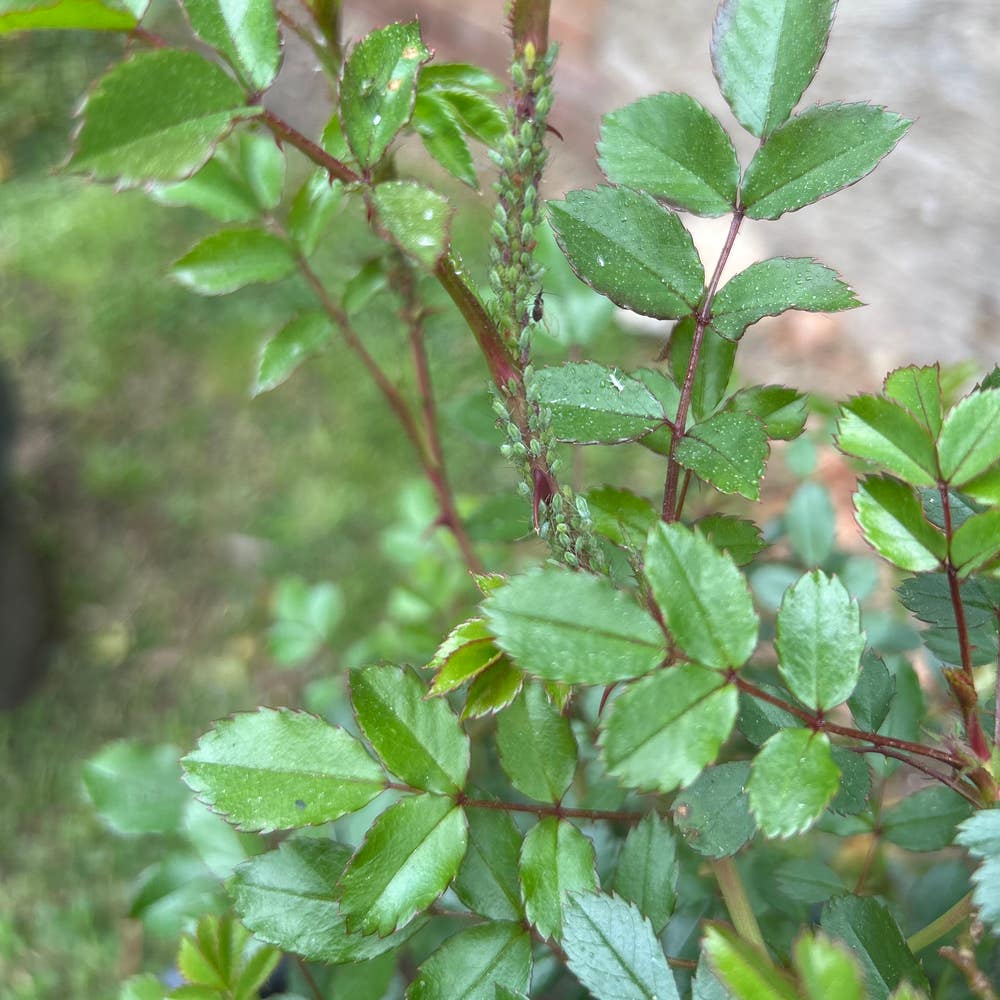
Aphids are notorious for their sticky residue and curled leaves. If you notice these signs, it’s time to take action.
Spider mites can be identified by fine webbing and stippled leaves. These tiny pests can wreak havoc on your roses if left unchecked.
Damage Assessment
Pests contribute to leaf drop by depleting nutrients and stressing the plant. Regular inspections can help you catch infestations early.
🍄 Fungal Diseases
Common Fungal Infections
Black Spot is a common fungal infection characterized by dark spots on leaves and yellowing. If you see these symptoms, your roses need immediate attention.
Powdery Mildew presents as a white powdery coating on leaves. This can hinder photosynthesis and lead to premature leaf drop.
Impact on Leaf Health
Fungal diseases can severely impact leaf health, leading to early leaf drop. Keeping your roses healthy is essential to prevent these infections.
🥦 Nutrient Deficiencies
Key Nutrients
Nitrogen is vital for leaf growth and overall health. A deficiency can lead to stunted growth and yellowing leaves.
Potassium is equally important, supporting overall plant vigor. Ensuring your roses receive these nutrients is crucial for their well-being.
Symptoms of Deficiency
Common symptoms of nutrient deficiencies include yellowing leaves, stunted growth, and leaf drop. Regularly checking your plants can help you catch these issues early.
💧 Watering Issues
Overwatering Roses
Signs of overwatering include wilting, yellowing leaves, and root rot. Ensuring your soil drains well is key to preventing these problems.
Underwatering Roses
Underwatered roses may show crispy leaf edges and drooping foliage. A consistent watering schedule can help maintain their health.
Understanding these causes of leaf drop is the first step toward healthier roses. Next, we’ll explore how to diagnose leaf drop effectively.
Diagnosing Leaf Drop
👀 Identifying Symptoms
Detecting leaf drop begins with observing visual cues. Look for changes in leaf color, wilting, and premature shedding, as these are telltale signs of distress.
Timing also plays a crucial role in diagnosing leaf drop. Seasonal patterns can indicate whether the issue is environmental or related to pests and diseases.
🐛 Differentiating Between Causes
Understanding the difference between pests and diseases is essential. Key indicators include the presence of pests, such as visible insects or webbing, versus symptoms like dark spots or powdery coatings that suggest fungal infections.
Close inspection is vital for accurate diagnosis. Regularly check your roses for both pests and fungal signs to catch issues early.
🧪 Soil Testing for Nutrient Deficiencies
Soil testing is a proactive approach to diagnosing nutrient deficiencies. Recommended tests include checking pH and nutrient levels to ensure your roses have what they need to thrive.
Interpreting the results can guide your care routine. Understanding nutrient needs helps you tailor your fertilization strategy for optimal rose health.
With a solid grasp of these diagnostic techniques, you can effectively address leaf drop issues. Next, let's explore preventive measures to keep your roses healthy and vibrant.
Preventive Measures
Proper Watering Techniques 💧
To keep your roses thriving, aim for a watering frequency of 1-2 inches per week. Deep watering is essential; it encourages roots to grow deeper, while surface watering can lead to shallow root systems.
Soil Amendments for Nutrient Balance 🌱
Incorporate compost, well-rotted manure, and balanced fertilizers to enhance soil health. Healthy soil improves drainage and nutrient retention, which are vital for robust rose growth.
Choosing Disease-Resistant Varieties 🌼
Selecting disease-resistant rose varieties can save you time and frustration. Look for options that thrive in your climate, as they are less likely to succumb to common ailments.
Regular Inspection for Pests 🔍
Make it a habit to inspect your roses weekly during the growing season. Keep an eye out for signs of pest activity and disease, as early detection can prevent more significant issues down the line.
By implementing these preventive measures, you can create a strong foundation for your roses, ensuring they remain healthy and vibrant throughout the seasons. Next, let’s explore effective treatment options to address any issues that may arise.
Treatment Options
Organic Pest Control Methods 🌱
Using organic pest control methods is a great way to protect your roses while being kind to the environment. Neem oil is a popular choice; it disrupts the life cycle of pests without harming beneficial insects. To apply, mix neem oil with water according to the instructions and spray it on affected areas, ensuring thorough coverage.
Insecticidal soap is another effective option. It works by suffocating soft-bodied insects like aphids. Simply spray it directly onto the pests, focusing on the undersides of leaves where they often hide.
Fungicides for Fungal Infections 🍄
When it comes to fungal infections, choosing the right fungicide is crucial. There are two main types: systemic and contact fungicides. Systemic fungicides are absorbed by the plant and provide longer-lasting protection, while contact fungicides act quickly but need to be reapplied more frequently.
Timing is everything for fungicide application. Aim to treat your roses at the first sign of infection or as a preventive measure during high-risk periods, such as humid weather.
Fertilization Strategies for Healthy Growth 🌼
Fertilization plays a vital role in maintaining healthy roses. Look for fertilizers with balanced NPK ratios—nitrogen, phosphorus, and potassium. A common recommendation is a 10-10-10 ratio, which supports overall plant health.
Timing your fertilization is equally important. Apply fertilizers in spring to kickstart growth and again in fall to prepare your roses for winter dormancy.
Pruning Techniques to Improve Air Circulation ✂️
Pruning is essential for promoting air circulation and preventing diseases. The best time to prune is in early spring, just before new growth begins. This timing helps your roses thrive by removing any dead or overcrowded branches.
When pruning, focus on thinning out crowded areas and cutting back any dead wood. This not only improves airflow but also encourages healthier growth and more vibrant blooms.
By implementing these treatment options, you can effectively manage leaf drop and keep your roses flourishing. Next, let’s explore seasonal considerations to ensure your roses remain healthy throughout the year.
Seasonal Considerations
Fall Care to Prevent Leaf Drop 🍂
As the temperatures dip, preparing your roses for winter is crucial. Start by applying a layer of mulch around the base to insulate the roots and retain moisture.
Watering is equally important during this season. Ensure your roses are well-hydrated before the ground freezes, as this helps them survive the cold months ahead.
Spring Preparations for Healthy Foliage 🌸
Early spring is the perfect time to rejuvenate your roses. Begin with fertilizing to provide essential nutrients that promote vigorous growth.
Don’t forget to inspect for pests during this time. Catching any infestations early can save your plants from significant damage.
Summer Stress Management ☀️
Summer can be tough on roses, especially during heat waves. Use shade cloth to protect them from intense sunlight and keep the soil consistently moist.
Keep an eye out for signs of stress, such as leaf curl and discoloration. Addressing these issues promptly can help maintain the health and beauty of your roses.
Transitioning through the seasons requires attention and care, but with the right strategies, your roses can thrive year-round. Next, we’ll delve into diagnosing leaf drop to ensure your plants stay healthy and vibrant.
⚠️ Safety First
This content is for general information and may contain errors, omissions, or outdated details. It is not medical, veterinary advice, or an endorsement of therapeutic claims.
Always consult a qualified healthcare professional before using any plant as food, medicine, or supplement.
Never eat any plant (or feed one to pets) without confirming its identity with at least two trusted sources.
If you suspect poisoning, call Poison Control (800) 222-1222, the Pet Poison Helpline (800) 213-6680, or your local emergency service immediately.
Spotted an error? Please report it here.
Keep your roses thriving 🌹 and leaf drop-free with Greg's tailored care reminders and expert tips that ensure your blooms flourish all season long!